
Modi protest memes fuel India’s youth-led education demonstrations
Young protesters are using satire, viral edits and parody videos to press India’s government over exam scandals and accountability.
By James Whitfield · Staff Writer
3 min read
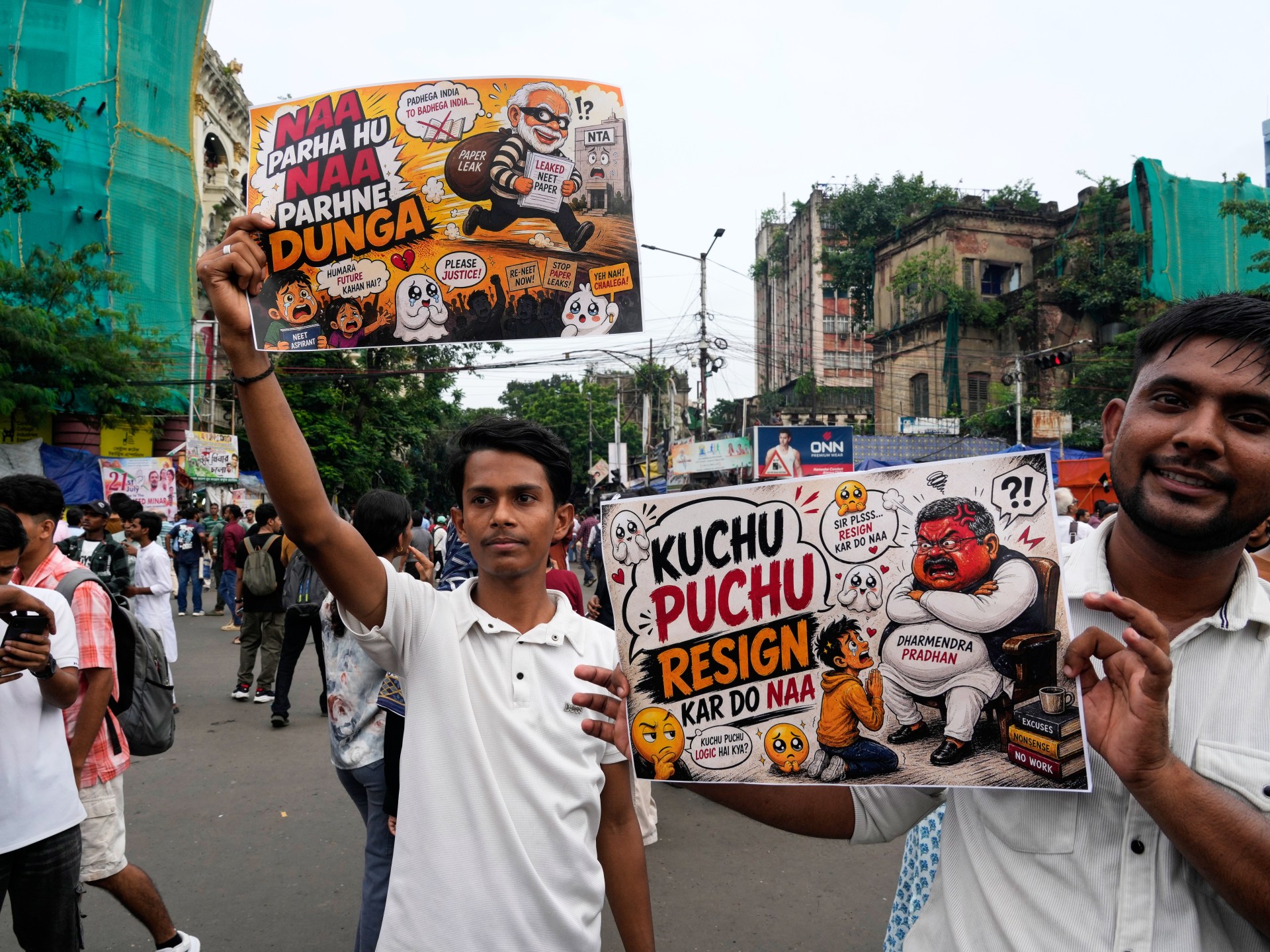
Modi protest memes have become a central feature of India’s youth-led demonstrations, as students and young activists turn satire into a tool against Prime Minister Narendra Modi’s government. The Associated Press reported that protesters are pairing street marches with online jokes, parody clips and self-mocking videos to widen attention on demands for education reform and accountability.
The protests began about a month ago after anger over exam scandals, including the illegal sharing of entrance exams for the national medical programme, according to AP. Young people told AP the scandals had threatened their futures and damaged confidence in the education system; Education Minister Dharmendra Pradhan resigned on Saturday.
Why are Modi protest memes spreading?
The memes are spreading because they let protesters speak in the fast, visual language many young Indians use online, AP reported. The humour also helps demonstrators turn police confrontations, news coverage and political speeches into shareable content that travels beyond protest sites.
AP reported that the movement has been pushed in part by the Cockroach Janta Party, a satirical group that began organising two months ago. Through jokes and pop-culture references, the group helped shift a campaign focused on education into a wider youth protest movement against government accountability failures.
Videos shared online show protesters joking about maintaining Strava running streaks while fleeing police baton charges, according to AP. Others have edited clips of demonstrators dodging barricades to resemble the mobile game Subway Surfers.
Women protesters have also used formats associated with influencers, including “get ready with me” videos before marches and “fit check” posts showing helmets, goggles and improvised protest gear, AP reported. Protesters have made spoof videos targeting pro-government television anchors whose broadcasts have described demonstrators as “anti-national” and “foreign-funded conspirators.”
How did the protests move from exams to Modi?
AP reported that anger over leaked and compromised exams first focused on the education ministry, but the demonstrations have expanded to other cities and begun targeting Modi directly. That marks a shift because jokes about the prime minister were less common in earlier protests, when critics accused his government of suppressing dissent.
At demonstrations in New Delhi, protesters wore Spider-Man masks and Batman costumes and carried signs filled with memes, AP reported. One placard aimed at the education minister asked when artificial intelligence would take his job, while another said, “Every joke is a tiny revolution.”
Several protesters spoke to AP anonymously because they feared official reprisals. A 25-year-old protester said memes were a way to cope, adding that her generation had little patience for enduring hardship quietly. She said that if young people could not tolerate running out of phone data, they would not tolerate Monday’s police crackdown in the capital.
A 23-year-old student told AP that protesters were using the language of their generation. “We find speeches boring, we are the summary generation,” she said, explaining that short-form messages fit how young people consume information.
Why does the online response matter for Modi?
Modi built much of his political image through social media, AP reported, and protesters are now using the same channels to ridicule his administration and challenge his message. Nearly half of India’s population is under 25, making young voters a powerful group in national politics.
After Modi released a late-night selfie-style video on Thursday promising quick legal action against people responsible for leaking academic or job exams, AP reported that internet users recut the clip with parody voiceovers and references to past promises they said had not been kept. One viral edit kept Modi’s opening reference to protesters as “friends,” then cut to three girls saying, “No, we are not.”
A 21-year-old student told AP that using the same social media tools that helped Modi rise was the clearest way to answer him. “We are just answering him in his language,” he said.
This story draws on original reporting from Al Jazeera.