
Military AI draws scrutiny over moral judgment in targeting
AI targeting systems are speeding up battlefield decisions, but researchers warn they cannot replace human moral responsibility in war.
By James Whitfield · Staff Writer
4 min read
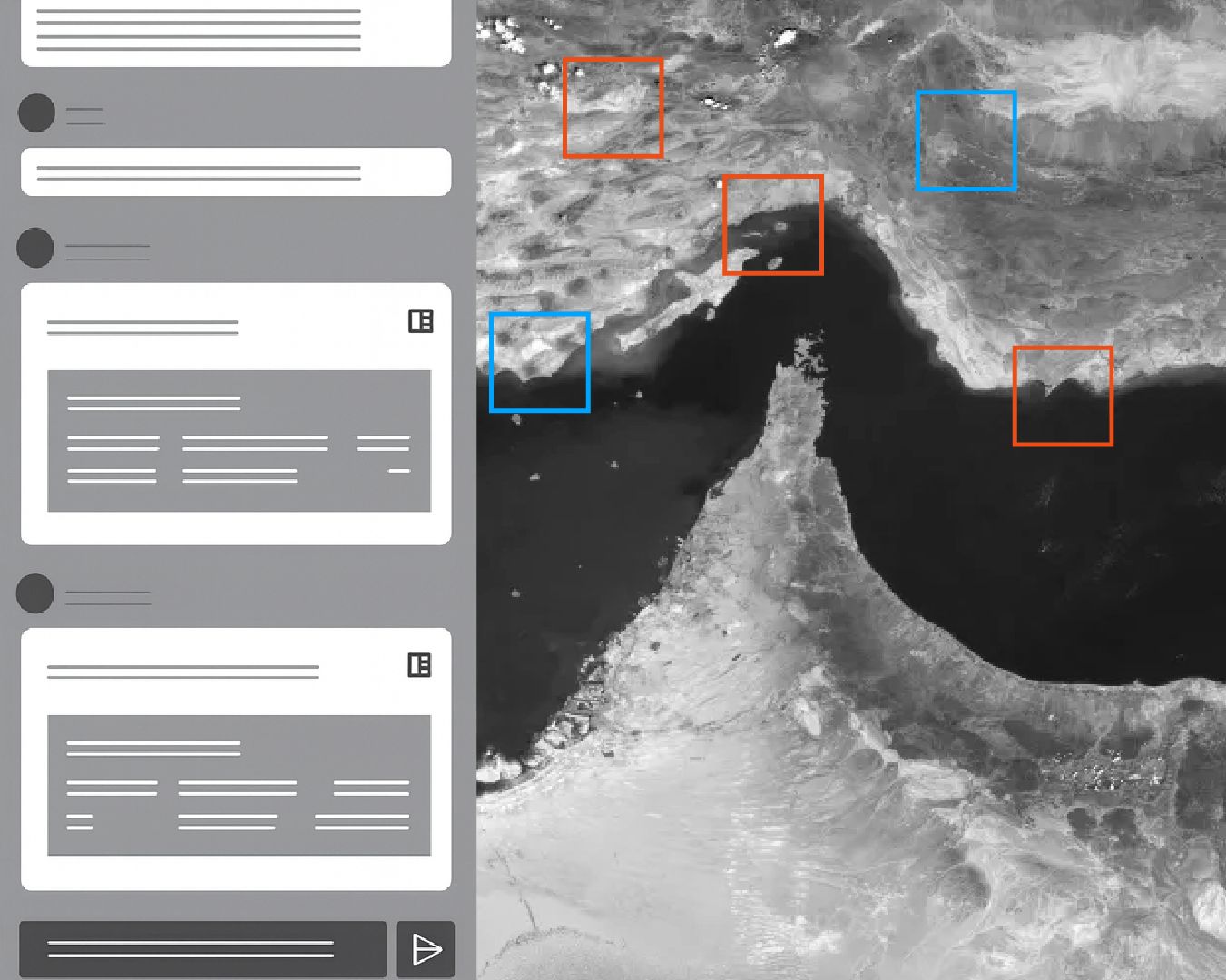
AI systems are becoming part of military targeting and command decisions, according to Al Jazeera, raising new scrutiny over whether software can support lethal force without weakening human judgment. The issue has gained urgency as tools such as Palantir’s Maven Smart System are used to speed target selection and battlefield analysis.
Al Jazeera reported that AI-enabled technologies are already being used in Ukraine, Gaza and Iran, including interceptor drones in Ukraine, Israeli targeting systems in Gaza and Maven during the US-Israel war on Iran. The Center for Strategic and International Studies has described Maven as a system used to help identify and strike targets.
On February 28, the first day of that war, Maven helped strike more than 1,000 targets, Al Jazeera reported. One strike hit a primary school in Minab, Iran, killing more than 150 people, most of them children; Bloomberg reported that outdated satellite intelligence was linked to the error, while a Pentagon investigation remains stalled and senators have sought answers.
Speed is driving military adoption
Global military spending rose 2.9 percent last year to $2.87 trillion, according to Al Jazeera. Industry reports cited by Al Jazeera project military AI spending will rise from $11.7bn to nearly $19.3bn by 2030.
The Pentagon has said it wants to become an “AI-first fighting force,” Al Jazeera reported, using software to compress the military decision cycle known as observe, orient, decide and act. Admiral Brad Cooper, head of US Central Command, said Maven has reduced some processes that once took hours or days to seconds.
Project Maven began in 2017 as the Algorithmic Warfare Cross-Functional Team, according to a Defense Department document cited by Al Jazeera. Its original purpose was to use AI and machine learning to process large volumes of drone and surveillance footage.
Vice Admiral Frank Whitworth, director of the National Geospatial-Intelligence Agency, said more than 20,000 US military personnel now use Maven across 35 software tools and three classification domains. Al Jazeera reported that the system draws from more than 150 data sources, including satellites, drone video, signals intelligence, radio emissions, social media geolocation and field reports.
Once a target enters the system, Al Jazeera reported, it moves through a digital version of the kill chain: find, fix, track, target, engage and assess. The platform carries coordinates, intelligence sources, risk assessments and legal approvals, while an AI recommender can suggest weapons based on suitability and distance.
Anthropic’s Claude model has been integrated through Palantir’s platform to let operators ask questions in plain language, Al Jazeera reported. The Pentagon later blacklisted Anthropic as a “supply-chain risk” after the company refused to loosen restrictions on autonomous weapons and surveillance, prompting Anthropic to sue the government.
Human control remains disputed
The US Department of Defense says AI weapons will not be fully autonomous and will require human approval, according to Al Jazeera. Cooper said in March that “Humans will always make final decisions on what to shoot and what not to shoot and when to shoot,” while AI tools can accelerate the process.
Elke Schwarz, a professor of political theory at Queen Mary University London and author of Death Machines: The Ethics of Violent Technologies, told Al Jazeera that moral and legal deliberation requires time. She said speed and scale can weaken the conditions needed for serious ethical judgment.
Schwarz argued that AI cannot reproduce moral reasoning because it has no understanding of human life, grief or suffering. She told Al Jazeera that ethics is a social practice rooted in vulnerability and trust, not a checklist that can be handed to a computational system.
The Intercept reported Monday that the Pentagon cut its Civilian Protection Center of Excellence from 40 staff to nine while relying more on AI tools, including one based on Maven, to speed civilian harm assessments. A Max Planck Institute for Human Development study found that delegating decisions to AI can create moral distance and make people more willing to approve conduct they might otherwise reject.
Al Jazeera also cited 2024 reporting by +972 Magazine and Local Call that Israel used an AI-assisted system called Lavender to identify thousands of Palestinians as possible bombing targets. Those outlets reported an estimated error rate of about 10 percent, and rights experts and legal scholars warned the practice could violate international humanitarian law.
Schwarz told Al Jazeera she does not believe AI can make unethical militaries act ethically. She said militaries seeking faster violence are unlikely to defer to a system that tells them to stop.
This story draws on original reporting from Al Jazeera.