
Mauritania rebuilds desert tourism after years of militant violence
Visitor numbers are rising again as Mauritania promotes Sahara travel, though operators say weak infrastructure and past insecurity still weigh on the sector.
By Daniel Okafor · Business Editor
3 min read
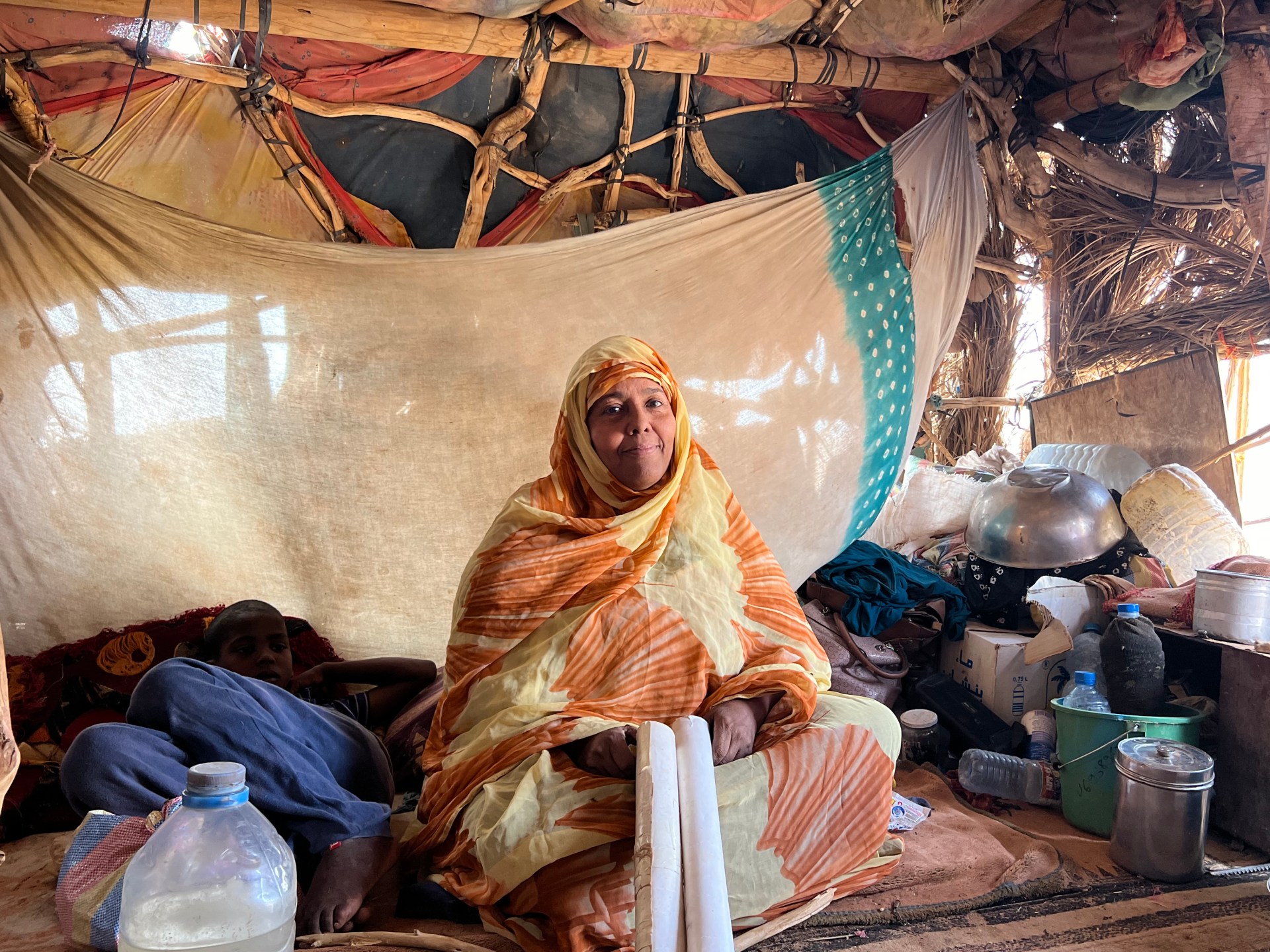
Mauritania is trying to revive a tourism industry that was battered by armed attacks in the 2000s and years of foreign concern over security. The effort matters for desert communities where guides, camp owners and small vendors depend on visitors for income.
Al Jazeera reported from the Adrar region that local operators are again receiving travellers at sites such as the Richat Structure, a 40km-wide circular geological formation on the edge of the Sahara that is often called the Eye of Africa. Fatima Cheikh Mohammad Bouya, who runs a camp there, told Al Jazeera she sells stones, rents tents and serves meals to guests on land she described as belonging to her family.
Mauritania, where about 90 percent of the territory is desert, once drew about 30,000 visitors a year, according to World Bank data cited by Al Jazeera. Many tourists came from France during the cooler months, and the Dakar Rally also brought attention to the country before the race route was moved away.
Security collapse hit arrivals
That market shrank after armed groups including al-Qaeda in the Islamic Maghreb and the Salafist Group for Preaching and Combat carried out attacks in Mauritania, Al Jazeera reported. In December 2007, AQIM fighters killed four French tourists near Aleg; suspects were later arrested and sentenced to death in 2010.
Al Jazeera reported that Mauritania responded by strengthening security, deploying elite units to border areas and designating some regions as military zones. Authorities also worked with religious leaders to counter extremist preaching, placed Quranic schools under closer review and expanded formal education routes.
The country has reported no attacks since 2011, according to Al Jazeera. Baba Adou, a Mauritanian researcher at the University of Florida, told the outlet that unverified claims of informal deals between officials and armed groups exist, while the deterioration of security in neighbouring Mali likely helped shift armed groups away from Mauritania. He also warned that areas near Mali remain exposed to spillover.
Small rebound, large needs
The government has promoted Mauritania at international tourism events and hosted foreign travel agents, Al Jazeera reported. Government figures cited by the outlet showed tourist arrivals rose 166 percent between 2018 and 2019 after visa fees were reduced from 120 euros to 40 euros, bringing roughly 4,000 visitors that season.
Alioune Cheikh, a travel agency operator, told Al Jazeera that about 7,000 tourists have visited this year. The number remains well below the earlier peak, but tourism is increasingly valuable in a country where roughly one-third of people live in poverty, according to Al Jazeera.
Sean Connolly, a travel writer who named Mauritania his 2026 destination of the year for The Times of London, told Al Jazeera that the country is drawing attention because it remains one of the few places where travellers can explore the Sahara freely and safely. He also said the country’s nomadic traditions have shaped a strong culture of hospitality and limited the development of luxury hotels.
Visitors described both appeal and shortcomings. Martha Capa, a Belgian traveller, told Al Jazeera that Mauritania was a “wonderful surprise” but said sites such as the ruins of Ouadane needed more protection and formal management. Mattheo Zuchelli, who works with his family’s travel agency in Italy, said some clients would want better desert roads and more comfortable accommodation than Mauritania currently offers.
Some development is beginning. Al Jazeera reported that Sheraton opened in Nouakchott in April, the first international hotel chain in the country. At the Richat Structure, Bouya said business remains unpredictable: she had recently hosted seven Italian visitors, but still had 100 tents stored and waiting for use.
This story draws on original reporting from Al Jazeera.