
Maputo’s modernist buildings show Pancho Guedes’ imprint
NPR’s Matt Ozug reports that Mozambique’s capital still carries the mark of architect Amâncio “Pancho” Guedes, who designed hundreds of city buildings.
By Daniel Okafor · Business Editor
2 min read
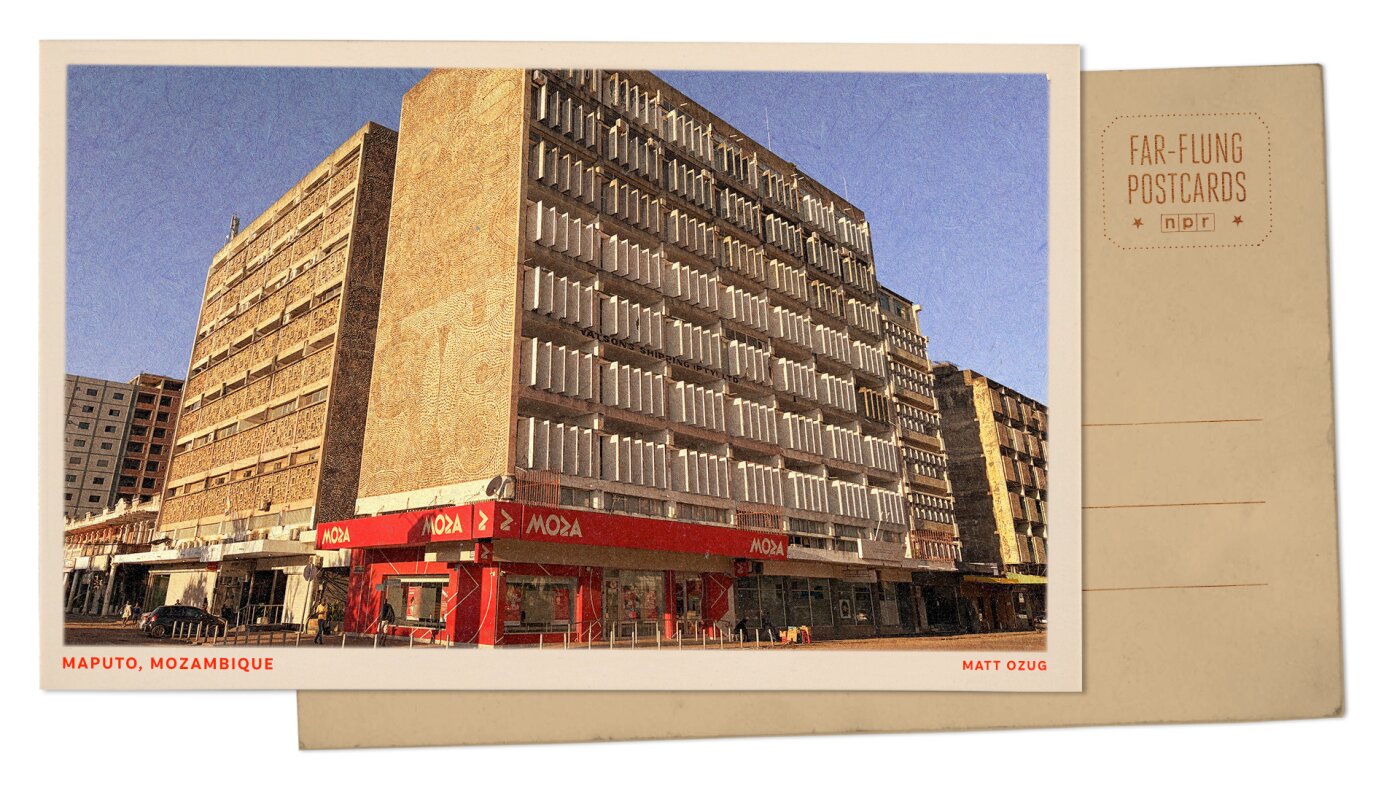
Maputo’s streets still display the work of Amâncio “Pancho” Guedes, the Portuguese-born architect whose modernist buildings helped shape Mozambique’s capital. NPR producer Matt Ozug reported that a short tuk-tuk ride through the city turned into an informal survey of Guedes’ concrete apartments, offices and churches.
Ozug wrote for NPR that he was in Mozambique with fellow All Things Considered producer Vincent Acovino while reporting on changes to U.S. funding for AIDS programs in Africa. During time away from that assignment, the two noticed a group of buildings that stood out for their forms, murals and heavy materials.
Guedes, who has died, designed buildings in Maputo during the 1950s and 1960s, according to NPR. His work includes Prédio Abreu, Santos e Rocha, along with structures known as The Smiling Lion apartment block and the Lemon Squeezer church.
Ozug also described visiting The Dragon House, where a small interior stairwell contains a black-and-white stone mural of a spiked dragon with a toothy expression. NPR reported that the mural changes the feel of what would otherwise be a dark stairwell.
Guedes’ output in Maputo was extensive. NPR reported that he designed more than 500 buildings in the city, ranging from churches to bakeries.
His work is commonly described as “Eclectic Modernist,” Ozug reported. NPR cited a critic writing in ArchDaily who said Guedes’ architecture mixed the “sculptural and figurative with practical requirements and traditional local identity.”
The examples Ozug encountered point to why Guedes remains associated with Maputo’s built environment. NPR’s account emphasized the contrast between durable concrete construction and playful design choices, including unusual shapes and decorative murals.
Ozug reported that Maputo is likely to keep changing, and he suggested that some of Guedes’ buildings may not endure. For now, NPR’s account said, enough of the architect’s work remains visible to give parts of the city a distinctive character.
The tour was unplanned, according to NPR, built from observation, web searches and a half day of free time. Ozug described the ride as a search through Maputo’s streets for traces of Guedes’ hand in the city’s architecture.
This story draws on original reporting from NPR.