
Fed leaves rates unchanged as inflation and energy costs weigh
The central bank held its benchmark rate at 3.5 to 3.75 percent in Kevin Warsh’s first policy meeting as Fed leader.
By Sofia Marchetti · World Affairs Correspondent
3 min read
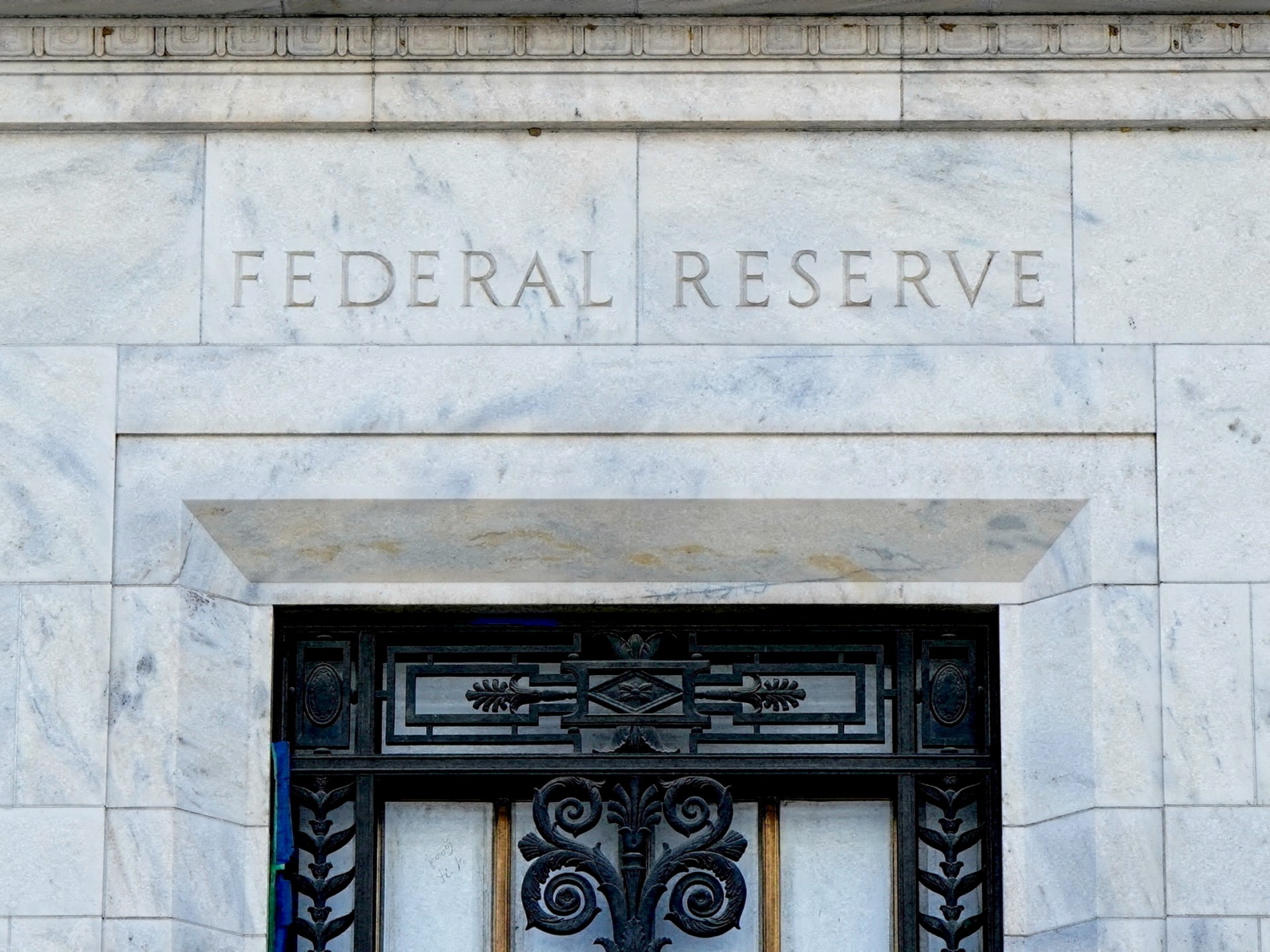
The Federal Reserve kept US interest rates unchanged on Wednesday, holding its benchmark range at 3.5 to 3.75 percent as inflation remains above target. The unanimous decision came at the central bank’s first two-day policy meeting under Kevin Warsh, who replaced Jerome Powell last month, Al Jazeera reported.
The decision keeps borrowing costs steady at a time when higher energy prices are feeding inflation and the conflict in the Middle East is adding uncertainty for businesses and households. The Fed said in a statement that economic activity continued to grow, while price pressures remained too high relative to its 2 percent inflation goal.
“Economic activity is expanding at a solid pace despite elevated uncertainty that owes, in part, to the conflict in the Middle East,” the Federal Reserve said. It added that inflation was still elevated, partly because of supply shocks that had lifted prices in sectors including energy.
Inflation remains above target
The hold was widely expected. CME FedWatch, which tracks market expectations for Fed policy, put the probability of no change at 99 percent before the announcement.
US Labor Department consumer price index data released last week showed inflation at 4.2 percent, the highest level in three years, according to Al Jazeera. The rise was driven mainly by energy costs, which increased 23.5 percent in May.
Oil prices have eased in recent days after reports of a possible peace deal that could end the US-Iran war and reopen the Strait of Hormuz, Al Jazeera reported. Prices fell to a three-month low earlier this week.
Even with a reopening of the strait, Al Jazeera reported that consumer energy prices may take months to return to prewar levels because of supply chain delays, halted energy production and low fuel stockpiles.
Political pressure and market expectations
President Donald Trump said in early December that he would appoint a central bank leader only if that person agreed with him on rate cuts, Al Jazeera reported. With inflation now pushed higher by energy costs linked to US-Iran tensions, Trump has shifted his public comments toward opposing rate increases.
On NBC’s “Meet the Press,” Trump praised Warsh and said there was “no reason to raise rates.”
Stephen Brown, chief North America economist at Capital Economics, said in a note that Warsh may need to avoid sounding too dovish because that could renew concern about Fed independence and push up long-term bond yields, which can raise borrowing costs. Brown said a Trump-friendly Warsh would likely try to sound neutral while acknowledging that rate increases remain possible.
CME FedWatch expects the policy picture to change later in the year if labor and financial market conditions follow current forecasts. The tracker puts the chance of a rate increase at about 30 percent by September and above 50 percent by December, according to Al Jazeera.
Capital Economics forecasts a rate increase in December 2027 and another early in 2027, according to Al Jazeera. Goldman Sachs expects the Fed will probably not cut rates until mid- to late 2027.
This story draws on original reporting from Al Jazeera.