
Liberian Thanksgiving grew from U.S. roots into a national day of gratitude
Liberia’s Thanksgiving began with Black American settlers and became a 1883 national holiday shaped by faith, food and history.
By Daniel Okafor · Business Editor
3 min read
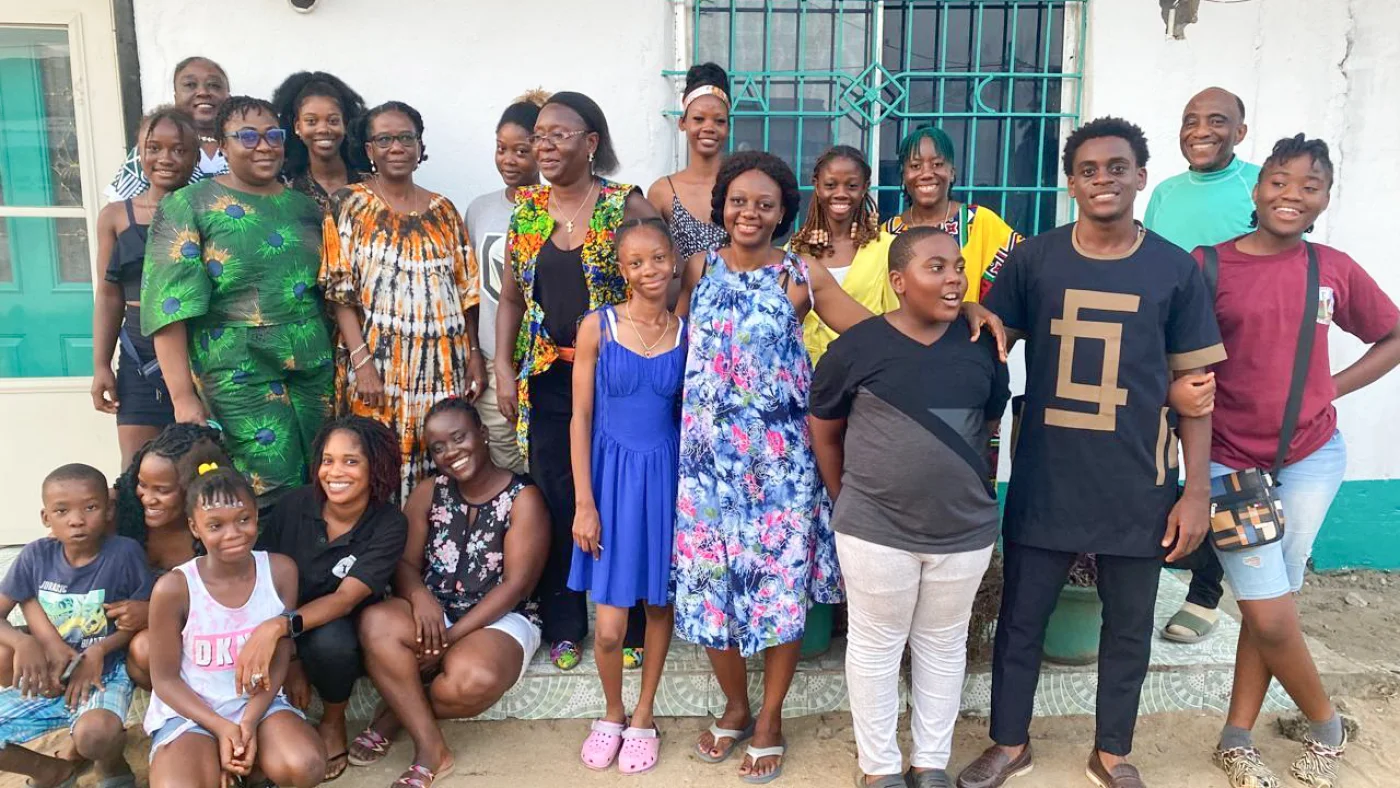
Liberian Thanksgiving history begins with settlers from the United States, but the holiday now carries meanings tied to the West African nation’s independence, faith and survival. Observed on the first Thursday of November, it became a national holiday in 1883 rather than remaining a direct copy of the U.S. celebration, according to NPR.
The tradition arrived in the first half of the 19th century with free Black Americans and emancipated people involved in the settlement established by the American Colonization Society. Their movement to Liberia was voluntary in some cases and forced in others, NPR reported.
Why does Liberia celebrate Thanksgiving?
Liberia declared independence in 1847. In 1883, as Britain sought to claim parts of Liberian territory, President Alfred Francis Russell called for divine protection, according to NPR. After Liberia retained its sovereignty, the legislature established Thanksgiving as a national holiday that year.
Yvonne Capehart Weah told NPR that the day expresses thanks to God for freedom, protection, unity and the harvest. That description reflects one Liberian’s account of a holiday whose meaning differs among households and generations.
For many Christian families, worship begins the day. Sekou Muhammad Sheriff told NPR that Muslims pray at mosques as well, and that people of different faiths observe the public holiday. Family reunions can follow, including Weah’s annual gathering with relatives in Caldwell, where the group is large enough to eat outdoors.
How is Liberian Thanksgiving different from the U.S. holiday?
The date is one clear difference: Liberia marks the occasion on the first Thursday in November, while the U.S. holiday falls on the fourth Thursday. Food is another. NPR’s reporting found no fixed national menu or central place for turkey.
Weah said her family serves fried, smoked or roasted chicken, jollof rice, fruit and fufu and soup made with ingredients including cassava, fish, chicken, okra and chili pepper. Sheriff described sweet-potato-leaf stew and snails among foods he has eaten for the holiday. Brenda Brewer Moore, another NPR interviewee, said some families barbecue, while her own children might have pizza and popcorn.
How people spend the day also varies. Moore recalled long church services during her childhood, while saying some families use the holiday to rest or watch movies. She said many younger Liberians spend it at the beach with friends.
A holiday whose meaning continues to change
The observance has taken on fresh significance after Liberia’s civil conflicts of 1989 to 1997 and 1999 to 2003. Sheriff told NPR he gives thanks for his health and for peace in Liberia. Moore said that in the period after the war, many people focused their gratitude on peace, security and stability.
The holiday’s origins remain contested for some Liberians. Moore told NPR that some see Thanksgiving as a tradition imposed by settlers from the United States. Others continue to treat it as a national and religious occasion, showing how an imported custom has been recast through Liberia’s own history.
This story draws on original reporting from NPR.