
Lam Wing-kee, Hong Kong bookseller detained in China, dies at 70
Lam, linked to Causeway Bay Books, had moved to Taiwan after saying Chinese authorities held him for months in 2015.
By Lucas Ferreira · Science & Environment Writer
3 min read
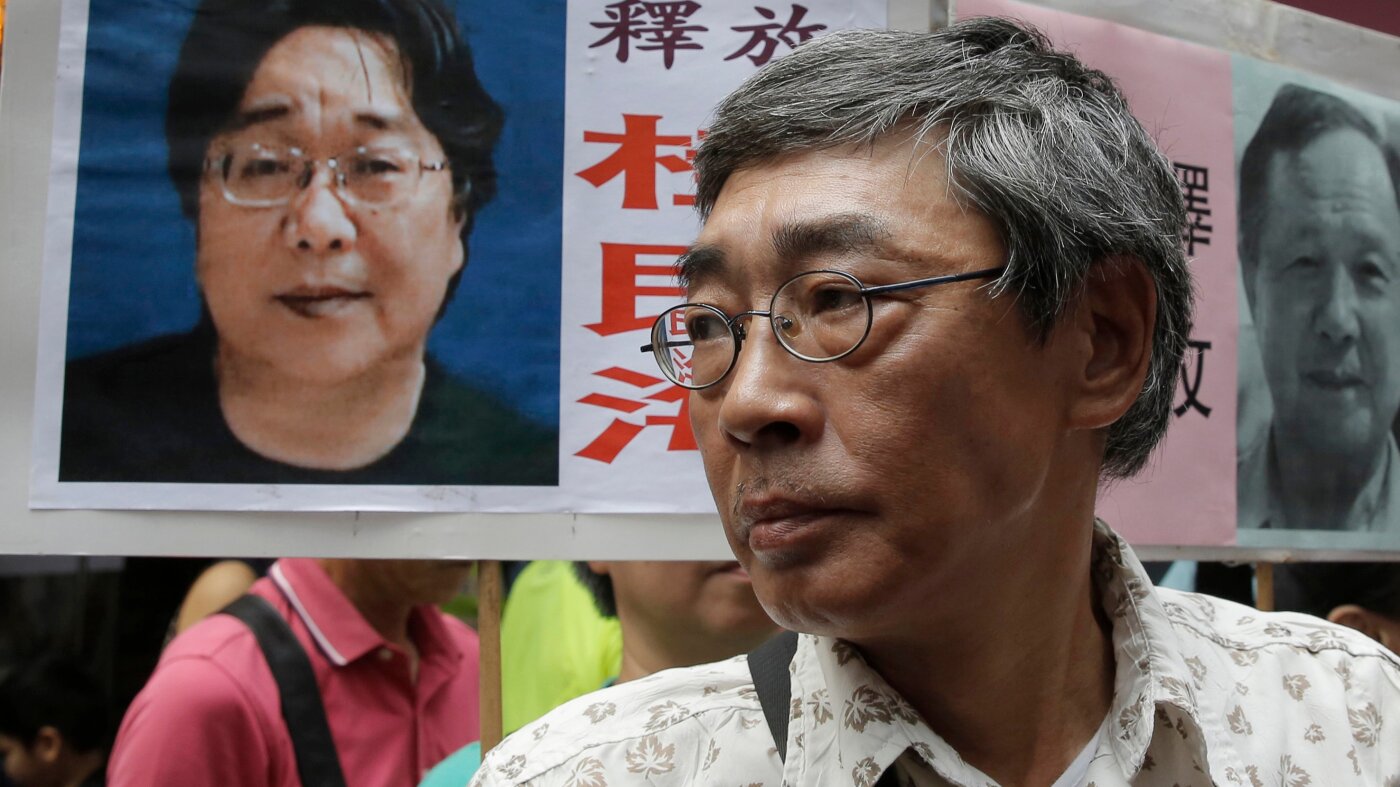
Lam Wing-kee, the former Hong Kong bookseller who said Chinese authorities detained him for months after he crossed into mainland China in 2015, has died in Taiwan at 70, Taiwan’s official Central News Agency reported. His case became one of the best-known examples of fears over Beijing’s reach into Hong Kong’s publishing and speech freedoms, according to The Associated Press.
CNA reported, citing an unnamed source, that Lam died Thursday evening in Taipei. The agency did not report a cause of death, but said Lam had a cancer relapse last year, entered MacKay Memorial Hospital on Tuesday, and fell into a coma on Wednesday.
Lam had worked at Causeway Bay Books in Hong Kong, a shop known for selling books and magazines about Chinese leaders and political scandals, AP reported. He left for Taipei in 2019 because of concerns about possible legal trouble and reopened Causeway Bay Books there in 2020, according to AP.
Taiwanese President Lai Ching-te expressed condolences on Facebook, saying Lam’s courage would be remembered. Lai said Taiwan would remember him as a Hong Kong bookstore worker who showed the value of freedom and the need for each generation to defend democracy.
Disappearance drew international attention
Lam was one of five people connected to Causeway Bay Books who disappeared in late 2015, AP reported. The disappearances alarmed Hong Kong residents and overseas observers because the store’s titles covered politically sensitive subjects involving China’s leadership.
One of the five, publisher Gui Minhai, vanished from a holiday home in Thailand and was later sentenced in China to 10 years in prison on a charge of illegally providing intelligence overseas, according to AP. Lam later publicly disputed China’s official version of what happened to the booksellers.
At a 2016 news conference in Hong Kong, Lam said Chinese authorities took him in October 2015 after he crossed the border from Hong Kong into Shenzhen, AP reported. Lam said he was blindfolded during a 13-hour train trip to Ningbo, in eastern China, and held for five months in a room under round-the-clock watch by rotating two-person teams.
Lam also said he was forced to make a televised confession on Chinese state television, according to AP. His account made him a prominent critic of Beijing’s tightening controls over Hong Kong and a symbol for activists concerned about press and publishing freedoms.
Bookstore had recently closed
In June, Lam told CNA that he had closed the Taipei bookstore temporarily because of health problems. He told the agency at the time that he did not know when it would reopen.
AP reported that Chinese and Hong Kong authorities have imposed stricter controls in the territory since the large anti-government protests of 2019. In June, Hong Kong police arrested two people on suspicion of selling seditious publications and receiving money from foreign political organizations under a recent national security law, according to AP.
Lam’s move to Taiwan kept Causeway Bay Books operating outside Hong Kong after the original shop became tied to one of the city’s most closely watched free-expression cases, AP reported. CNA’s report of his death prompted official condolences in Taiwan, where he had spent his final years.
This story draws on original reporting from NPR.