
Judge orders Palestinian advocate released from ICE custody
A federal judge said Salah Sarsour raised a substantial First Amendment claim after more than 80 days in immigration detention.
By Sofia Marchetti · World Affairs Correspondent
3 min read
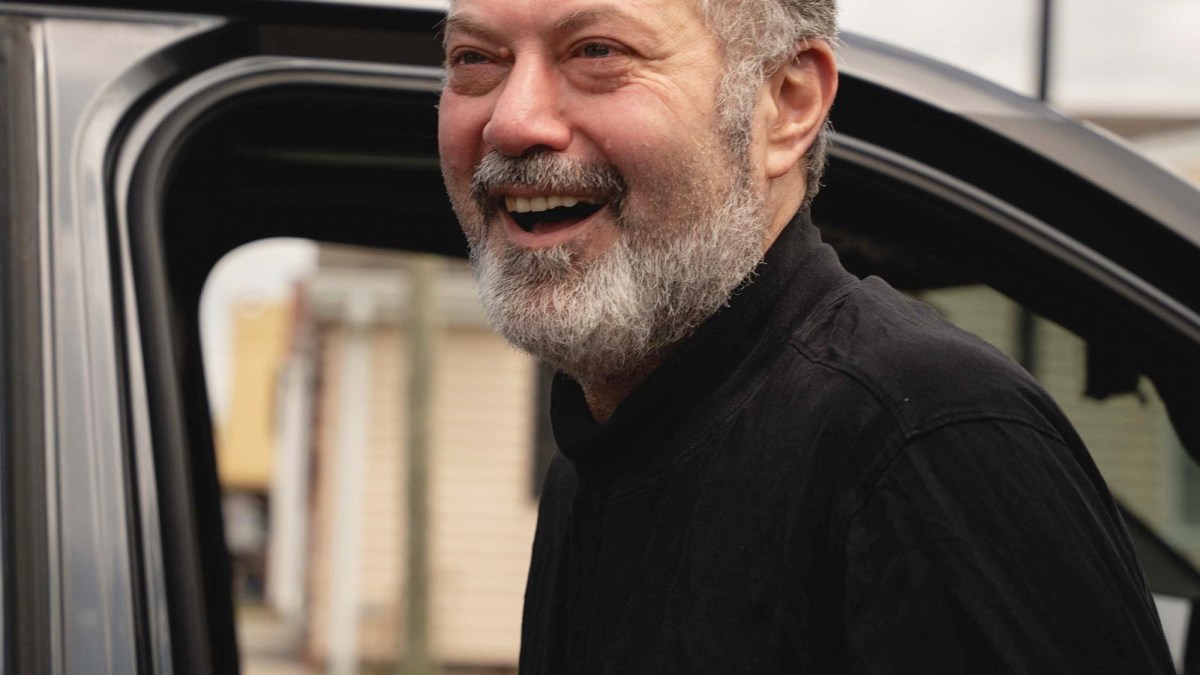
A federal judge ordered the release of Salah Sarsour, a Milwaukee Muslim leader and Palestinian rights advocate held by US immigration authorities for more than 80 days. The ruling matters because US District Judge James Patrick Hanlon said Sarsour had made a substantial claim that the government targeted him for protected speech, Al Jazeera, Reuters and The Associated Press reported.
Hanlon ruled Thursday that Sarsour’s allegation of First Amendment retaliation could make his detention unlawful, according to the reports. The judge also rejected the Trump administration’s position that pro-Palestinian speech can be treated as a threat to US foreign policy interests without stronger justification.
“The mere invocation of foreign relations concerns does not automatically trump First Amendment rights,” Hanlon wrote, according to Al Jazeera, Reuters and AP. Hanlon was nominated to the federal bench by President Donald Trump in 2018.
Sarsour, a legal permanent resident, was freed several hours after the ruling, the outlets reported. Hanlon ordered that he be returned from Indiana to Wisconsin, allowing him to stay at home while his immigration case continues.
Arrest and detention
Sarsour, 53, is Palestinian American and grew up in the occupied West Bank, according to the reports. He is president of the Islamic Society of Milwaukee, described by Al Jazeera, Reuters and AP as the largest mosque in Wisconsin.
Immigration and Customs Enforcement agents stopped Sarsour’s car on March 31 and later placed him in an Indiana detention facility while removal proceedings were pending, the outlets reported. His lawyers said he has type 2 diabetes and lost more than 30 pounds during nearly three months in custody.
Sarsour has no criminal record in the United States, according to the reports. The Department of Homeland Security, however, described him as a “criminal and a terrorist” and accused him of failing to disclose on his green card application a conviction by an Israeli military court.
DHS said that conviction involved allegations that Sarsour threw stones and Molotov cocktails at Israeli forces, according to Al Jazeera, Reuters and AP. Sarsour has denied the allegations.
Rights groups cited in the reports said such accusations are often used against Palestinians in the occupied West Bank. They also said Israel’s military court system convicts Palestinians at a rate close to 100 percent and that some cases have relied on confessions obtained through torture.
Free speech dispute
In his decision, Hanlon questioned why the Trump administration now considered Sarsour a threat after he had lived in the United States for nearly 32 years, Al Jazeera, Reuters and AP reported. Sarsour said in a prepared statement after his release that he was relieved to be back with his family and called the ruling a victory for free speech.
The case fits into a broader Trump administration effort against pro-Palestinian foreign nationals, according to the reports. Since returning to office for a second term, Trump has sought mass deportations and has accused pro-Palestinian activists of anti-Semitism.
Administration officials have relied in related cases on a section of the Immigration and Nationality Act that allows the secretary of state to exclude foreign nationals whose presence could have potentially serious adverse foreign policy consequences for the United States, the outlets reported. Civil liberties advocates argue that the statute does not override First Amendment protections.
Mahmoud Khalil, a pro-Palestinian activist at Columbia University, was among those targeted under that law, according to the reports. Khalil was arrested in March 2025, released by court order in June 2025 and remains under threat of deportation.
On Thursday, Khalil wrote on social media that Sarsour was going home after more than 80 days away from his family, according to Al Jazeera, Reuters and AP. He said speaking for Palestinian rights is protected by the First Amendment.
This story draws on original reporting from Al Jazeera.