
Judge allows Huawei CFO’s admissions in US criminal trial
A Brooklyn federal judge said prosecutors may use Meng Wanzhou’s 2021 statements in Huawei’s criminal trial, now set for jury selection in September.
By Daniel Okafor · Business Editor
3 min read
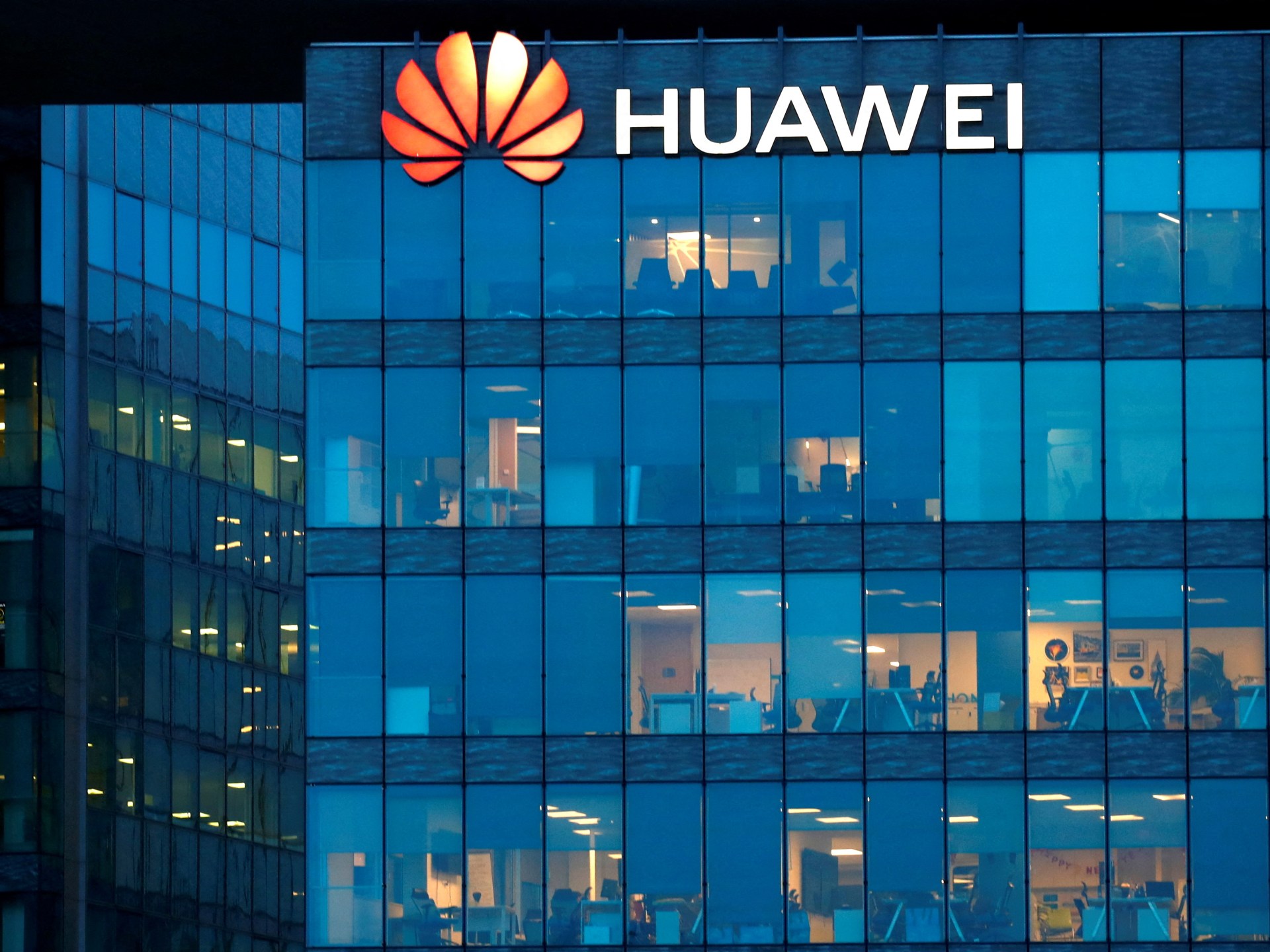
A US judge has cleared prosecutors to use admissions by Huawei finance chief Meng Wanzhou in the criminal case against the Chinese telecom company. The ruling matters because Huawei is heading toward a September trial in Brooklyn on charges tied to Iran sanctions, bank fraud and other alleged misconduct.
US District Judge Ann Donnelly filed the decision Tuesday in federal court in Brooklyn, Reuters reported. Jury selection is scheduled to begin on September 8.
Meng made the statements in 2021 as part of a deal with US prosecutors that led to the dismissal of criminal charges against her. She had been accused in the United States of bank fraud connected to alleged violations of sanctions on Iran.
In a four-page statement of facts, Meng acknowledged that she misled a financial institution about Huawei’s compliance with sanctions and export control rules, according to Reuters. Donnelly ruled that the company could not block prosecutors from using the statement at trial.
Judge rejects Huawei’s challenge
Huawei argued that Meng’s admissions should not be used against the company because it had its own right to remain silent, Reuters reported. Donnelly rejected that position, saying Meng was Huawei Technologies’ chief financial officer when she made the statements and remains in that role.
The judge also found that Huawei had adopted the statement and did not need an opportunity to question Meng at trial for the evidence to be admitted, according to Reuters. A Huawei spokesperson did not immediately respond to Reuters’ request for comment.
The case stems from allegations that Meng and Huawei misled HSBC and other banks about the company’s business in Iran. A sealed indictment led to a US warrant for Meng, who was arrested in Vancouver in 2018 after arriving in Canada.
Her arrest drew international attention and strained relations between the United States and China, as well as between China and Canada. Meng is the daughter of Huawei founder Ren Zhengfei.
A case with wider diplomatic fallout
Meng spent almost three years under house arrest in a six-bedroom, multimillion-dollar home in Canada while she fought extradition to the United States, Reuters reported. In September 2021, during the pandemic, she appeared remotely from Vancouver in US court and entered into a deferred prosecution agreement.
Under that deal, the charges against Meng were to be dropped later. After the agreement, she flew back to China, where she received a public welcome.
Shortly after Meng was freed, China released two Canadians it had been holding, according to Reuters. Two American siblings who had been barred from leaving China were also allowed to return home.
The prosecution of Huawei continued after Meng’s case was resolved. Along with the original allegations involving banks, a later indictment accused the company of stealing trade secrets and committing other crimes.
The United States has restricted Huawei’s access to American technology since 2019, accusing the company of conduct contrary to US national security. Huawei denies those accusations, Reuters reported.
Despite those restrictions, Huawei has recovered and expanded into other business areas, including smart car components, and has become a leader in China’s artificial intelligence development, according to Reuters.
This story draws on original reporting from Al Jazeera.