
Jobar residents face blocked returns as Syria weighs rebuilding plans
Former residents of the devastated Damascus district say they cannot repair homes while officials and investors consider large redevelopment plans.
By Daniel Okafor · Business Editor
4 min read
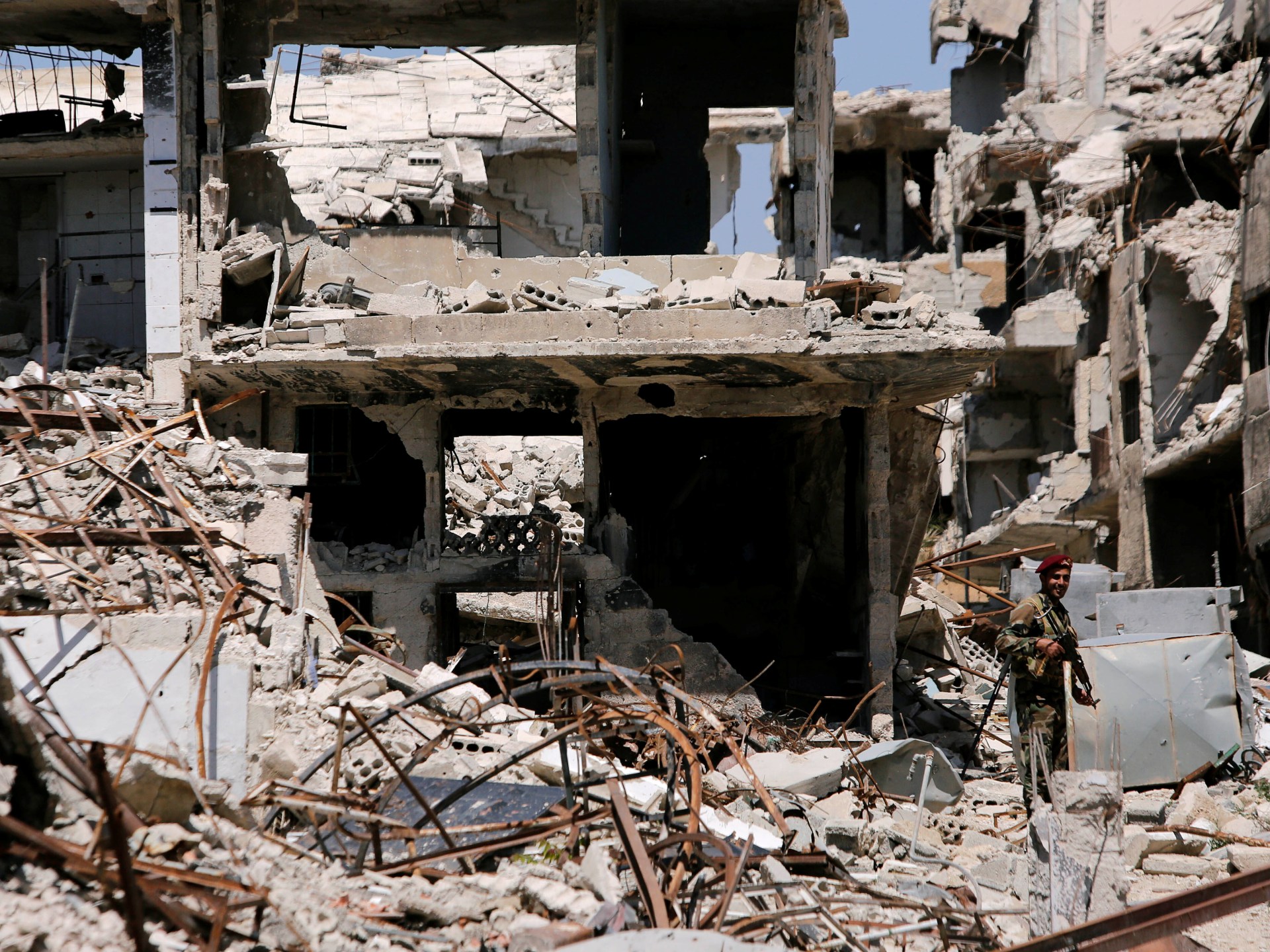
Residents of Jobar, a devastated district on the eastern edge of Damascus, say they are still unable to rebuild homes years after the fighting there ended. The dispute shows how Syria’s reconstruction is being shaped by damaged infrastructure, scarce money and competing plans for valuable urban land.
Al Jazeera reported from Jobar that former residents have begun returning to inspect family properties after years of being barred from the area. Ahmad, a Syrian man in his mid-30s who asked to be identified only by his first name, showed the outlet his grandfather’s damaged house, his mother’s nearby home and the small shop where she once sold clothes.
Before Syria’s war began in 2011 after the government’s violent crackdown on protests, Jobar was a busy neighborhood with a historic mosque and synagogue, according to Al Jazeera. Between 2012 and 2018, large parts of the district were held by opposition fighters and became a front line in the war.
Government forces repeatedly bombed and shelled the area, leaving about 95 percent of its buildings destroyed, Al Jazeera reported. The outlet said Jobar was also hit by air raids and chemical gas attacks, and that most civilians were gone after the government retook the Damascus suburbs in 2018.
Tunnels and unsafe ground
Opposition groups built an extensive tunnel system under Jobar to avoid attacks by the government and its allies, according to Al Jazeera. Residents told the outlet the maze gave the district the nickname “the Bermuda Triangle” because people could lose their way underground.
In 2018, the government reached a deal that allowed fighters, their families and other residents to leave, most of them for opposition-held Idlib, Al Jazeera reported. Civilians were then barred from entering Jobar until after rebel forces took Damascus in December 2024 and Bashar al-Assad fled to Russia.
Ahmad told Al Jazeera that a large tunnel entrance he saw had recently been filled with earth and rubble. He said some people may have become lost in the tunnel network, and the outlet reported that buildings have also collapsed because the ground beneath them was hollowed out.
Mines, missing services and unstable structures have made Jobar a test case for Syria’s wider rebuilding challenge. Salem Sawan, 59, a former medic known as Abu Yehya, told Al Jazeera he rents in a nearby suburb and wants to go home but has not been allowed to rebuild.
Money and redevelopment plans
The World Bank has estimated Syria’s reconstruction needs at about $216 billion, while nearly 90 percent of Syrians live below the poverty line. Al Jazeera reported that the new government has worked to remove international sanctions that weighed on the economy after the Assad era.
Cao Yue, author of a recent ODI Global report on Syria’s reconstruction, told Al Jazeera that the government’s budget is limited and officials have sought foreign private capital, especially from nearby countries. Mauricio Vazquez, head of policy at ODI’s Global Risks and Resilience programme, told the outlet that rebuilding must cover housing as well as education, sanitation, water, electricity and governance.
Residents including Ahmad and Sawan told Al Jazeera that officials said they could not repair homes on their own because a plan exists for the area, but they said no details were provided. Media reports cited by Al Jazeera say officials have discussed a foreign-backed project in Jobar that could be worth $21 billion and create up to 200,000 jobs.
Those reports say the proposal would give local residents 50 percent of their former homes and 30 percent of land classified as agricultural, terms that angered local councils and activists. Jobar’s location near central Damascus makes its land highly valuable, Al Jazeera reported.
Al Jazeera also reported allegations tied to Mohammad Hamsho, a former business partner of Maher al-Assad, who had faced US and EU sanctions over alleged war profiteering and links to the former government. One of Hamsho’s companies has been accused of taking iron from destroyed areas for steel production, and Hamsho allegedly reached a financial settlement with the new government in January 2026.
Some residents still say they intend to return. Mahmoud al-Ajouz, a gravedigger in his 60s who remained in Jobar during the war, told Al Jazeera that residents and the state would rebuild the district together.
This story draws on original reporting from Al Jazeera.