
US warned Iran over alleged Israeli threat to negotiators, reports say
Reports cited by Al Jazeera say Washington used intermediaries to alert Tehran while trying to keep nuclear-related talks alive.
By Sofia Marchetti · World Affairs Correspondent
4 min read
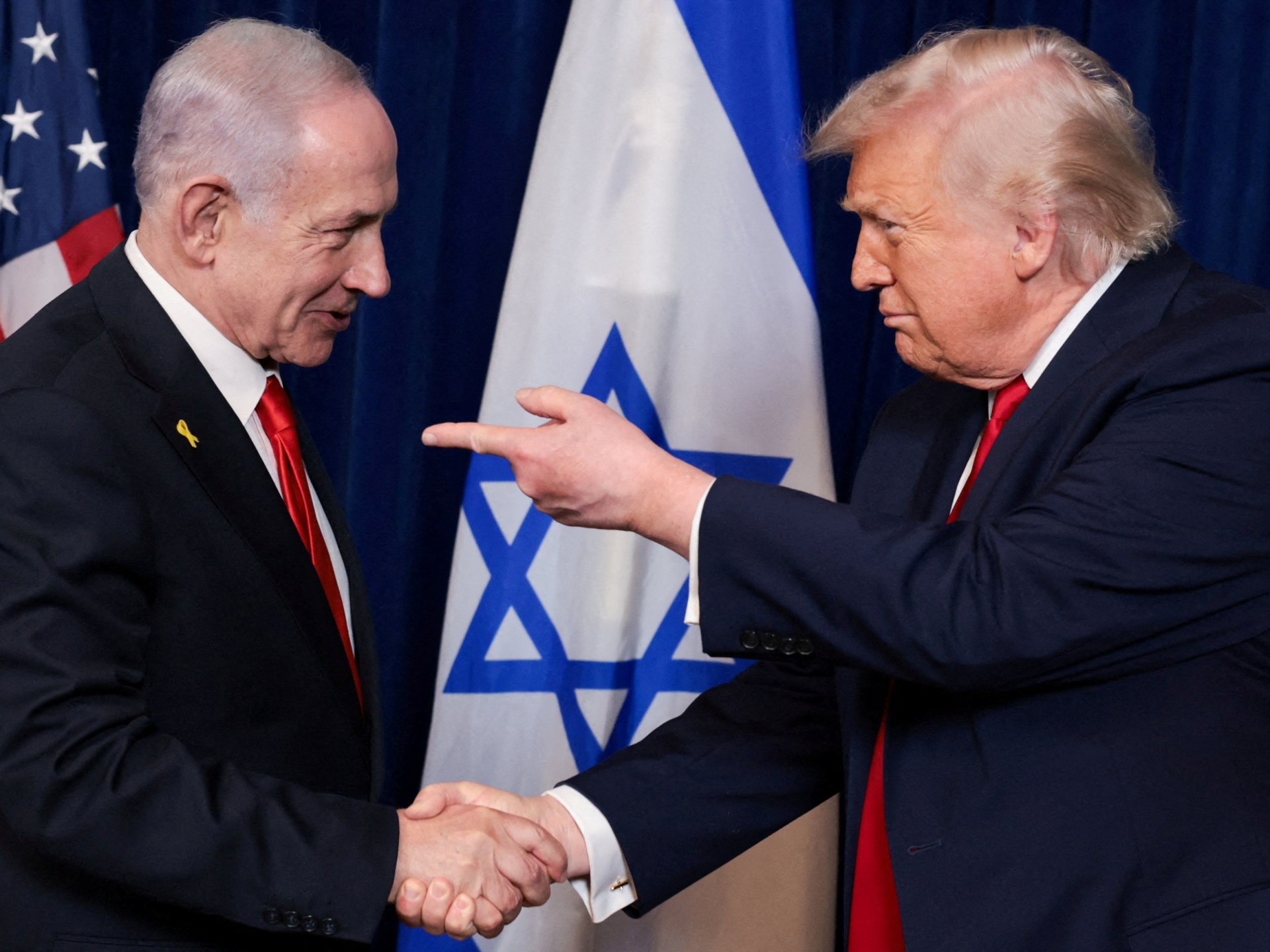
American officials asked other governments this spring to warn Iran about an alleged Israeli plan to kill two senior Iranian negotiators, according to a New York Times report cited by Al Jazeera. The episode matters because it suggested Washington saw a threat to talks serious enough to alert an adversary about a close ally’s possible actions.
The New York Times reported that US officials feared Israel was preparing to target Iranian Foreign Minister Abbas Araghchi and Iranian Parliament Speaker Mohammad Bagher Ghalibaf, according to Al Jazeera columnist Nayef Al-Nabet. CNN said two US officials confirmed the warnings, while Israel rejected the Times report as false.
Al-Nabet, a nonresident fellow at the Middle East Council on Global Affairs in Doha, wrote that the reported warning exposed a central problem for Washington: keeping diplomacy with Tehran alive while restraining Israel. He argued that the main challenge in this phase of the talks was not only Iranian participation, but the risk that Israel could disrupt the channel.
Negotiators became targets, reports say
According to the Times account cited by Al-Nabet, earlier Israeli strikes killed Ali Larijani, then secretary of Iran’s Supreme National Security Council, and Kamal Kharazi, a former foreign minister and adviser to Iran’s supreme leader. Al-Nabet described both men as pragmatic figures involved in the talks whom Washington had expected to deal with.
Ghalibaf also reportedly survived two Israeli assassination attempts, Al-Nabet wrote. One was during a 12-day war in June 2025, and another came this year when Israel struck a bunker where senior Iranian officials were meeting, according to his account.
The reported warnings came as the US-Iran track had produced an interim agreement to halt the war and reopen the Strait of Hormuz, Al-Nabet wrote. He said the talks overlapped with public mourning in Iran for Supreme Leader Ayatollah Ali Khamenei, who was killed on the first day of the war, and with US Independence Day.
Al-Nabet also cited Israeli Defence Minister Israel Katz as saying Iran’s new supreme leader, Mojtaba Khamenei, was marked for death. Araghchi, according to Al-Nabet, pledged a strong response and urged Washington to restrain Israel.
Pressure on the diplomatic track
An investigation by the Israeli news site Ynet found that Prime Minister Benjamin Netanyahu’s office pressed Israel’s intelligence establishment to endorse inflated assessments of the war’s gains, over objections from officers and scientists, Al-Nabet wrote. Ynet described the agreement as very bad for Israel, according to his summary.
Al-Nabet said the process also faced pressure from inside Iran. Days after the memorandum was signed, strikes on Gulf targets continued and the Islamic Revolutionary Guard Corps threatened to quit the talks, even as Iran’s government defended negotiations, he wrote.
US Vice President JD Vance publicly criticized Israeli ministers who attacked the memorandum, saying that if he were in Israel’s cabinet he “might not be attacking the only powerful ally” Israel had left, according to Al-Nabet. He also wrote that President Donald Trump and Netanyahu agreed in a July 3 call to meet soon in the United States.
Trump said Iran’s leaders had gathered in one place but that striking them would leave him with “nobody to negotiate with,” Al-Nabet wrote. He said US officials recognized that once serious talks began, killing Araghchi and Ghalibaf would likely destroy the process.
Third countries also played a role, according to the Times account cited by Al-Nabet. When Iran feared its delegation could be attacked on the way to talks in Islamabad, it sought guarantees through Pakistani and Qatari intermediaries, and Pakistani fighter jets escorted the planes.
Al-Nabet wrote that a later threat forced the Iranian delegation’s aircraft into an emergency landing, after which the team drove eight hours home and later continued talks in Doha and Switzerland. He said the limited outcome so far was that the feared Israeli operation did not occur, the negotiators survived and the diplomatic channel remained open despite renewed US-Iran strikes.
This story draws on original reporting from Al Jazeera.