
Japan’s nuclear restart puts spent fuel storage shortage back in focus
The Kashiwazaki-Kariwa restart is testing Japan’s nuclear plans as plant pools near capacity and a permanent waste site remains unresolved.
By James Whitfield · Staff Writer
3 min read
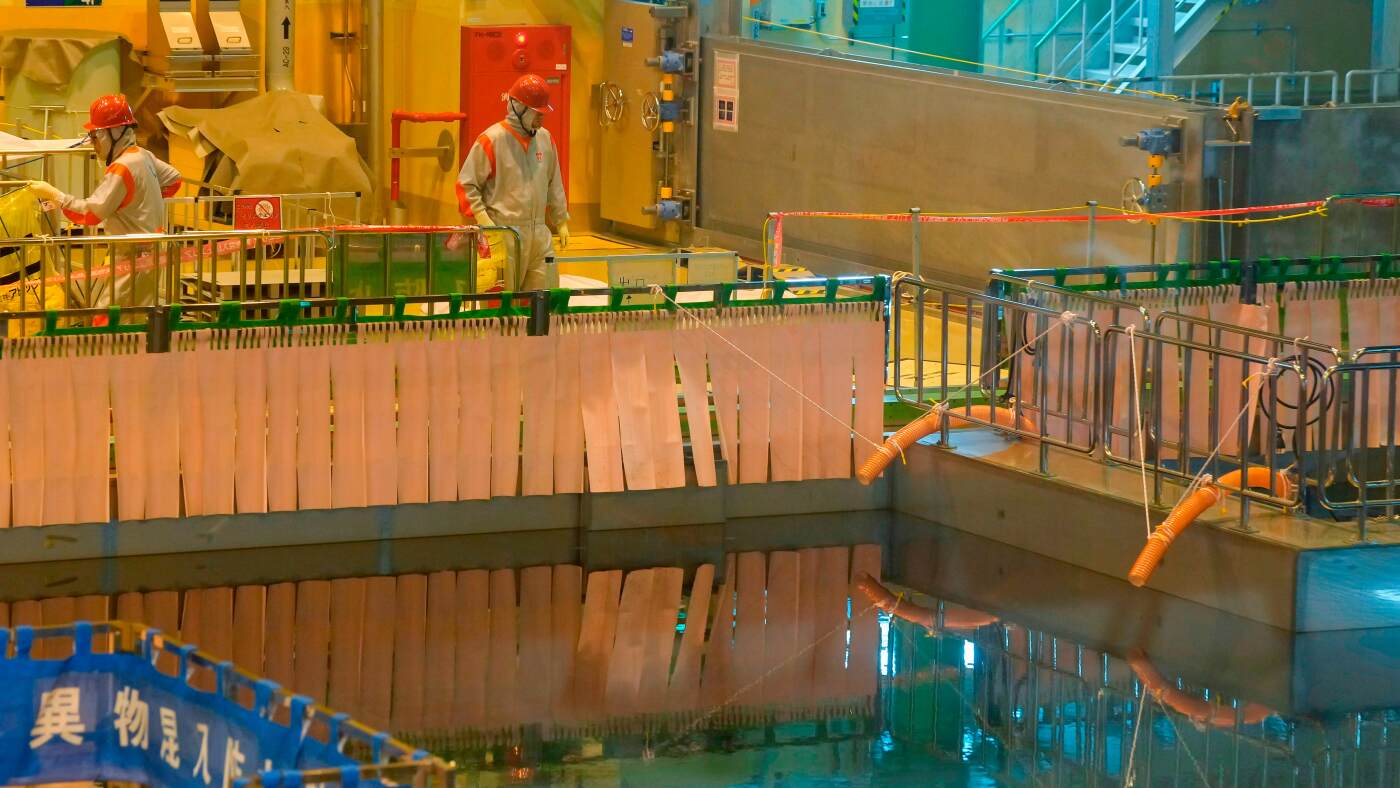
Japan’s return to nuclear generation at Kashiwazaki-Kariwa, the world’s largest nuclear power station, has sharpened concern over where the country will put spent reactor fuel. The Associated Press reported that the restart is meant to help meet heavy power demand during a global oil crisis, but it also exposes a storage problem that could limit further reactor operations.
The No. 6 reactor at Tokyo Electric Power Company Holdings’ Kashiwazaki-Kariwa plant restarted earlier this year after being offline since the 2011 Fukushima disaster, according to the Associated Press. The Federation of Electric Power Companies of Japan says Kashiwazaki-Kariwa is among three plants whose cooling pools are expected to be full within five years.
Kashiwazaki-Kariwa General Manager Takeyuki Inagaki told the Associated Press that generation will eventually be blocked without firm fuel-management plans. The cooling pool for the No. 6 reactor is already 88% full, the AP reported.
Storage is nearing its limits
Japan has restarted only 15 of its 54 reactors since the March 2011 Fukushima crisis, according to the Associated Press. That disaster followed a magnitude 9.0 earthquake and tsunami that caused meltdowns at three TEPCO reactors, forced about 160,000 people to flee and left some areas still uninhabitable, the AP reported.
Prime Minister Sanae Takaichi is pressing to bring more nuclear plants back online, according to the Associated Press. More restarts would create more spent fuel, raising the risk that reactors could have to stop again when storage runs out, the AP reported.
The Ministry of Economy, Trade and Industry says cooling pools at 17 nuclear plants held more than 17,000 tons of spent fuel as of December 2025, using nearly 80% of total capacity. Senshu University professor Lila Okamura told the Associated Press that Japan also must manage large and not fully known high-level waste from Fukushima.
Recycling plan has not solved the problem
Japan’s policy favors recycling spent fuel to recover plutonium and uranium, according to the Associated Press. The government says that approach can help a resource-poor country while reducing the volume and toxicity of radioactive waste, the AP reported.
But the Associated Press reported that a reactor intended for plutonium reuse has failed, while reprocessing cannot handle all spent fuel. The AP also reported that Japan’s plutonium stockpile is already large enough to be used in thousands of atomic bombs.
Some experts say Japan should also consider direct disposal, according to the Associated Press. Okamura told the AP that choosing and building a final disposal site would take about 100 years, followed by monitoring for tens of thousands of years.
Remote island under review
Industry Minister Ryosei Akazawa has asked Ogasawara village to consider a feasibility study for a high-level radioactive waste site on Minamitorishima, the Associated Press reported. The government-owned island, administered as part of Tokyo, is about 2,000 kilometers south of the capital and has no permanent residents, according to the AP.
Akazawa wrote to Ogasawara Mayor Masaaki Shibuya that final disposal is an urgent issue because spent fuel is accumulating at nuclear plants nationwide, according to the Associated Press. Satoshi Takano, a member of a government panel on final disposal, told the AP the move appeared political because a remote government-owned island would face little opposition.
The Associated Press reported that some experts view Minamitorishima as potentially suitable because it sits on a stable tectonic plate. Residents on Ogasawara and nearby islands have raised concerns about safety and tourism, and assembly member Yusuke Hirano said nuclear waste conflicts with islands recognized as a UNESCO Natural World Heritage site.
The Associated Press reported that Japan has struggled since the early 2000s to find a community willing to host a disposal site, despite subsidies. Minamitorishima is the fourth location to be considered for a feasibility study, and the review process is expected to take about two decades, according to the AP.
This story draws on original reporting from NPR.