
Japan baby goods makers turn to pets as children decline
Pet care sales are rising in Japan as companies known for baby products adapt carriers, diapers and strollers for animals.
By Daniel Okafor · Business Editor
3 min read
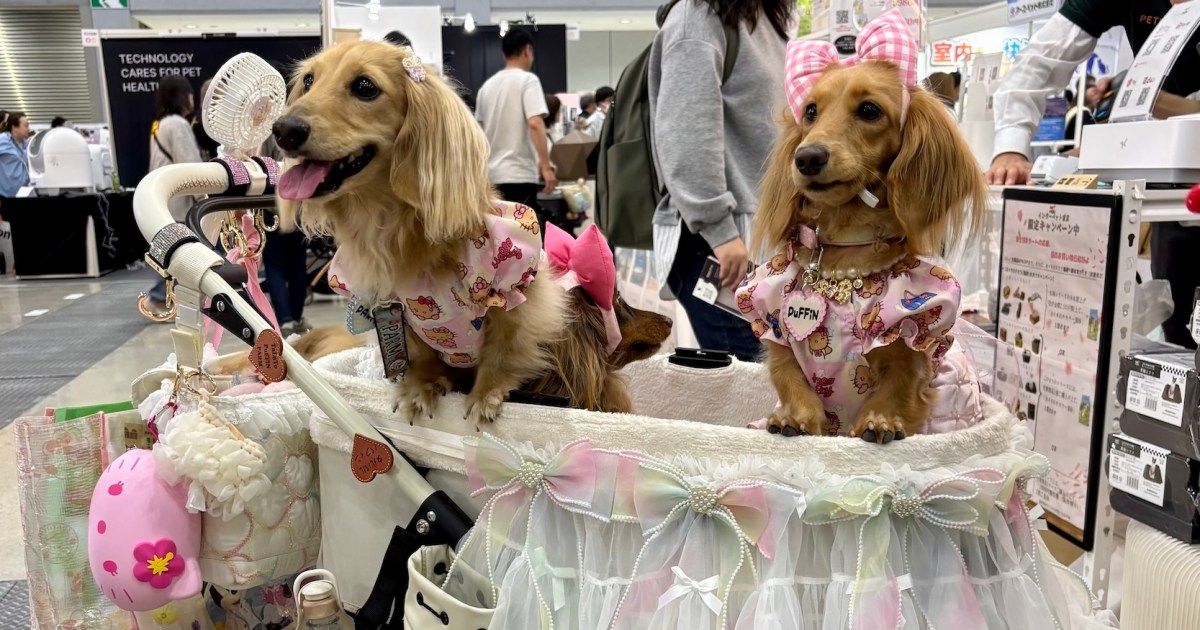
Japan’s shrinking child population is pushing some baby goods makers into the pet business, where owners are spending more on products once aimed at infants. Pets in the country now exceed the number of children under 15 by more than 2 million, according to Al Jazeera.
The shift was visible at Tokyo’s Interpets conference in April, where brands showed pet strollers, walk-in dryers, organic cat treats, animal diapers and sling-style carriers at the Big Sight convention centre. Al Jazeera reported that many visitors moved dogs around in decorated carts or carriers rather than on leashes, with some pets dressed in clothes, hair clips and diapers.
Market data point to the same trend. Euromonitor said Japan’s pet care market reached 880 billion yen, or $5.4 billion, in 2025, up from 689.6 billion yen, or $4.2 billion, in 2020.
Baby product expertise moves to dogs
One example is Lucky Industries, a Gifu Prefecture company that Al Jazeera identified as Japan’s oldest baby carrier maker. The company was founded in 1934 and has produced more than 40 million baby carriers.
Shin Ohta, who works in sales for Lucky Industries, told Al Jazeera that he began thinking about a pet carrier while walking his toy poodle near his home in Ikeda. He said the dog often stopped during walks, forcing him to carry an animal weighing nearly 5kg, or 11 pounds.
Ohta applied the company’s baby-carrier know-how to dogs after consulting a veterinarian on whether the design would work for animals. Lucky Industries introduced its Nu-i dog hip carriers in 2022.
Lucky Industries CEO Hiroyuki Higuchi told Al Jazeera that the company began when larger Japanese families needed baby carriers that let mothers work around the home. He said fewer babies have made it harder to develop new baby goods, while the pet sector has become a more reliable market.
Diapers and strollers follow the money
Unicharm, a Tokyo-based company known for feminine hygiene products and disposable diapers, has also expanded in pet care. The company entered pet diapers in 2001, and its Interpets display included dog and cat diapers from its “Mannerware” line, according to Al Jazeera.
Unicharm’s 2025 financial results show why the category is attractive. The company reported a 15.4 percent profit margin in pet care, compared with 10.7 percent in personal care.
Isshu Uehara, a Unicharm spokesperson, told Al Jazeera that pet care accounted for 17 percent of company sales in 2025 and that Unicharm aims to raise that share to 20 percent by 2030. Uehara linked demand to Japan’s lower birthrate, later marriage, single living and more childless dual-income households, saying more consumers are treating pets as family members and buying premium goods for them.
Other brands are making similar moves, according to Al Jazeera, including stroller maker AirBuggy and clothing company Sweet Mommy.
Japan’s family structure has also changed. A national fertility trends survey found that households with one child rose from 10 percent to nearly 20 percent between 2002 and 2021.
Barbara Holthus, a sociologist and director of the German Institute of Japan Studies, told Al Jazeera that pet humanisation has grown as households have fewer children and fewer family members. She said animals can fill several roles, including companion, partner substitute after divorce or widowhood, or playmate for an only child.
Holthus said Japan is a clear case of changing family forms, including what she called the “multi-species family.” She also pointed to low birthrates, loneliness and urbanisation as reasons the trend is strong in Japan, while saying companies are responding to the loss of their traditional baby-products market.
This story draws on original reporting from Al Jazeera.