
Hard-right outsider leads Colombia runoff on security promises
Abelardo de la Espriella faces left-wing Senator Ivan Cepeda after campaigning to abandon talks with armed groups and expand military force.
By Lucas Ferreira · Science & Environment Writer
3 min read
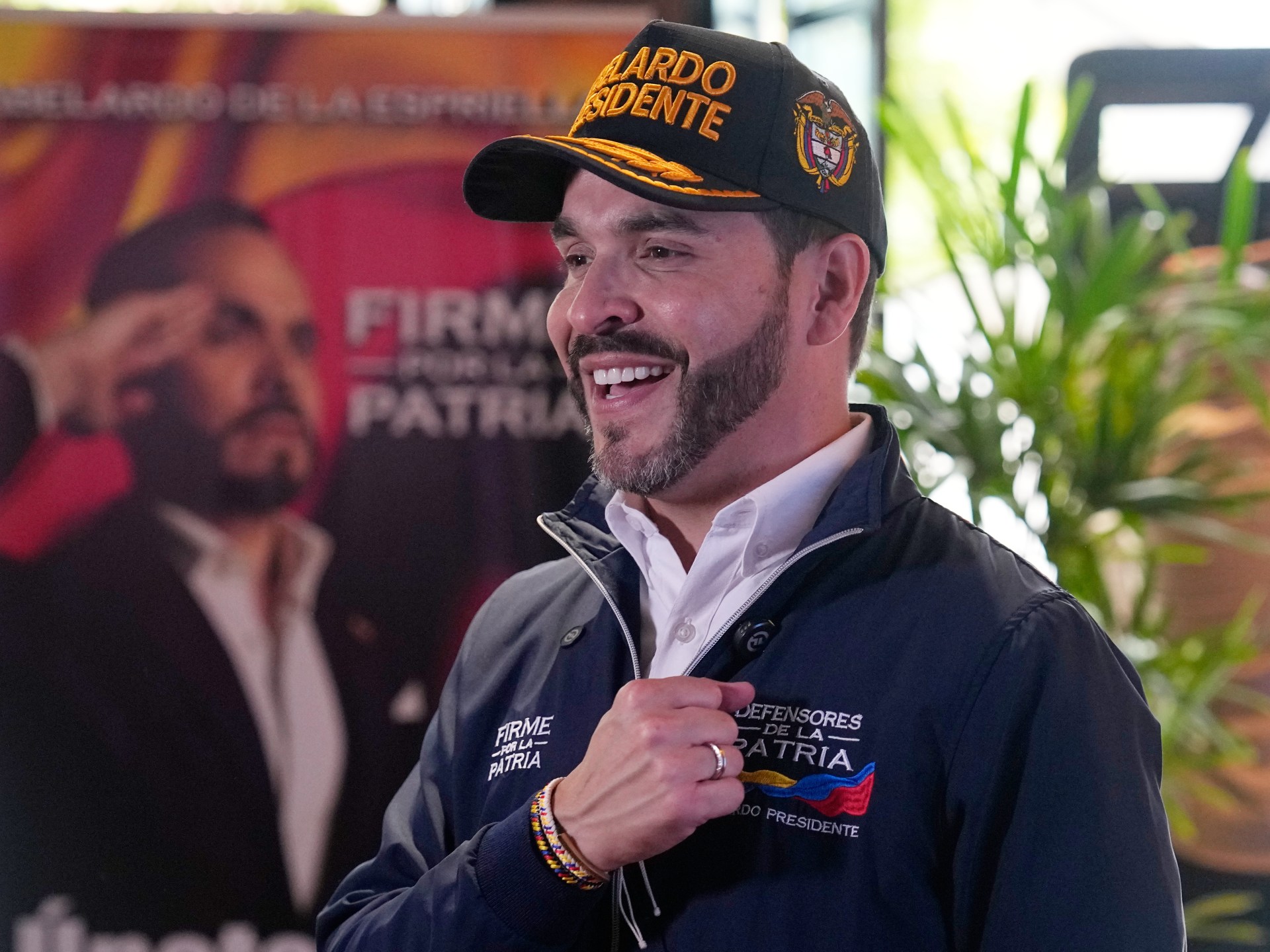
Colombian presidential candidate Abelardo de la Espriella enters Sunday’s runoff as the leading contender after building a campaign around tougher security policies. Al Jazeera reported that his rise has put Colombia’s long-running conflict and public frustration with violence at the center of the election.
De la Espriella, a 47-year-old criminal defense lawyer with no prior political experience, won 44 percent of ballots in the first round in May, according to Al Jazeera. He now faces left-wing Senator Ivan Cepeda, and polling firm AtlasIntel put de la Espriella at 52 percent support as of June 13.
A campaign built on force
Al Jazeera described de la Espriella, nicknamed “The Tiger,” as a far-right candidate whose rallies feature Colombian football jerseys, tiger imagery and the slogan “Strong for the homeland.” His central promise is to replace President Gustavo Petro’s negotiation-based “Total Peace” policy with harsher action against armed groups and criminal organizations.
According to Al Jazeera, de la Espriella has proposed building 10 privately operated mega-prisons, increasing prison terms, expanding military operations and shooting down aircraft found to be carrying drugs. He has also backed the forced eradication of coca crops, including aerial spraying with glyphosate.
Colombia has faced more than six decades of internal conflict involving state forces, paramilitaries, leftist rebels and criminal groups, Al Jazeera reported. De la Espriella has said he would not negotiate with criminals, while Cepeda has pledged to continue talks with armed groups in pursuit of peace agreements.
Security frustration shifts voters
In San Jose del Guaviare, where de la Espriella has strong support, residents told Al Jazeera that worsening violence pushed them away from Petro. Luisa Castro, a former Petro voter, said extortion forced her drink-selling business to close in May 2025 and that she now works as an informal street vendor.
Another San Jose del Guaviare resident, Estiven Sanchez, told Al Jazeera he had supported Petro’s plans on rural inequality and land redistribution, as well as his initial rejection of a more aggressive military strategy. Sanchez said the security situation had become intolerable and that he planned to vote for de la Espriella, despite reservations.
Patricia Munoz, a political analyst at Javeriana University in Bogota, told Al Jazeera that de la Espriella has drawn conservative voters, people disappointed with the current government and Colombians looking beyond established politicians. Before running, he was known for legal work representing figures including former President Alvaro Uribe and Alex Saab, a Colombian who served in Venezuela’s government, according to Al Jazeera.
Analysts warn of limits
De la Espriella has received backing from prominent right-wing figures, including Uribe, whose 2002-2010 presidency was associated with weakening rebel groups, Al Jazeera reported. But Jorge Mantilla, a Colombian security and conflict analyst, told Al Jazeera that de la Espriella represents a more radical current than Uribe’s political movement.
Mantilla cited de la Espriella’s legal complaints against journalists and proposals to leave international bodies such as the United Nations as signs of a right wing less bound by institutions. He warned that a force-first strategy could provoke armed groups and leave civilians exposed.
Mantilla also told Al Jazeera that Colombia may lack the trained personnel and operational capacity for simultaneous large-scale military campaigns across conflict zones. He said the courts could restrict proposals such as life imprisonment and aerial fumigation, both of which have faced constitutional limits.
Pedro Arenas, cofounder of the Guaviare peace-building think tank Corporacion Viso Mutop, told Al Jazeera that Petro’s peace policy has not succeeded but that military force alone has failed Colombia before. Munoz added that budget limits could constrain any ambitious security or institutional program.
This story draws on original reporting from Al Jazeera.