
Israeli policies blamed for worsening Palestinian health crisis
Doctors Without Borders’ international president says violence, access limits and displacement are driving health risks in Gaza and the West Bank.
By James Whitfield · Staff Writer
3 min read
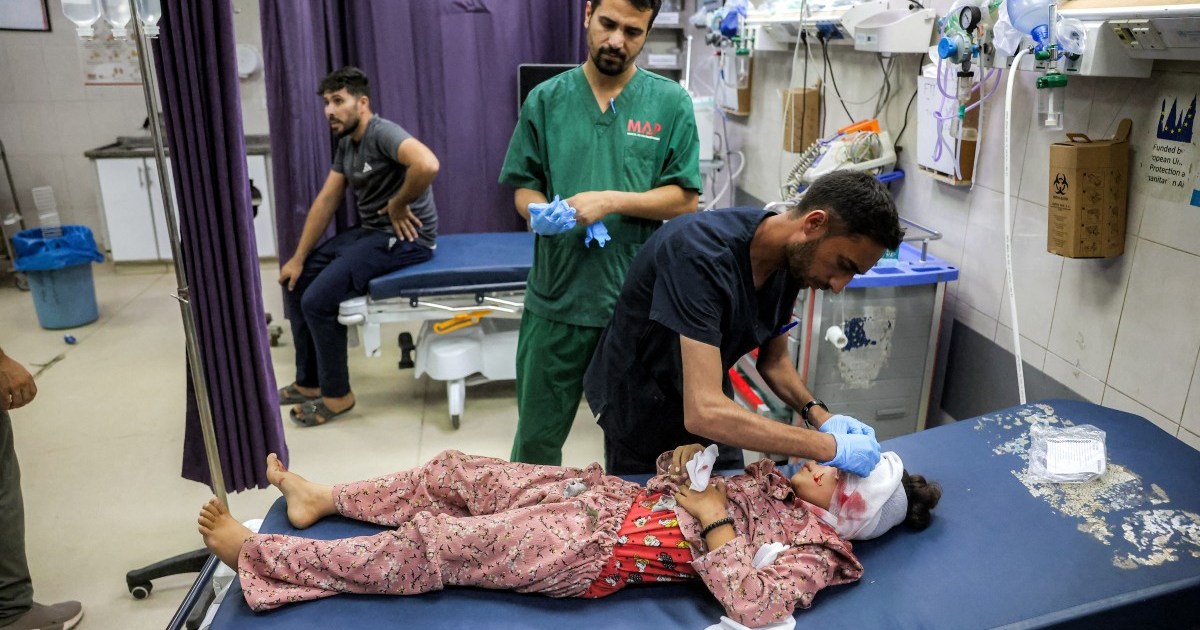
The international president of Doctors Without Borders says Israeli policies have become the central health threat facing Palestinians. Dr Javid Abdelmoneim said Palestinians in Gaza and the occupied West Bank are being pushed further from basic medical care, safety and adequate living conditions.
Abdelmoneim, writing for Al Jazeera, said the effects of Israeli actions since Oct. 7, 2023, have undermined Palestinians’ ability to live “a dignified, healthy life.” He described Israel’s conduct in Gaza as genocide and said the occupied West Bank is seeing accelerated displacement, land loss and restrictions on daily movement.
Casualties continue after ceasefire
Abdelmoneim said a ceasefire announced in October 2025 has not stopped Palestinian deaths and injuries in Gaza. He cited figures as of July 18 saying 1,144 Palestinians had been killed and 3,703 wounded since the truce was announced, while the overall death toll since the start of the war had passed 73,200.
He said June was the deadliest month since the ceasefire began. A photo caption accompanying the report, citing Gaza’s health ministry, said at least 1,072 Palestinians had been killed in the territory since the truce took effect; the caption noted the ministry operates under Hamas authority and that its figures are considered reliable by the United Nations.
Abdelmoneim said Israel is expanding military control in Gaza through the shifting “Yellow Line,” which he said has moved westward and placed people at risk when they approach it. He said Palestinians have been shot while trying to reach shelters, collect firewood or find food.
Overcrowding and disease
The MSF president said the line’s movement has squeezed more than two million people into one-third of the Gaza Strip. He said that overcrowding, combined with poor sanitation and limited clean water, is contributing to respiratory infections, skin diseases and diarrhoeal illness seen in MSF clinics.
He also said Israel has damaged Gaza’s health system by targeting healthcare workers, patients, ambulances and hospitals. Abdelmoneim said at least 1,700 healthcare staff have been killed in Gaza since October 2023, including 15 MSF team members.
Abdelmoneim highlighted the case of Dr Mohammed Obeid, an MSF surgeon arrested during an Israeli raid on Kamal Adwan Hospital in northern Gaza on Oct. 26, 2024. He said Obeid was detained with 57 other people and remains in an Israeli prison without charge, among more than 95 Palestinian healthcare workers still held by Israeli forces.
Restrictions on aid groups
Abdelmoneim said Palestinian access to care has narrowed further since Israeli authorities deregistered 37 humanitarian organisations in January. He said Israel is blocking MSF from bringing international staff and critical supplies into Gaza and the West Bank, while the aid that has entered Gaza remains insufficient.
In the West Bank, Abdelmoneim said Israeli authorities, the military and state-backed settlers have intensified violence, dispossession and economic pressure since Oct. 7, 2023. He said MSF teams in Nablus and Hebron are treating patients for trauma and depression linked to violence and movement restrictions, including obstacles to reaching hospitals.
Abdelmoneim called for a major policy shift that protects civilians, restores humanitarian access and holds governments accountable. He said political support, military aid and silence from world leaders have allowed Israeli policies to continue.
This story draws on original reporting from Al Jazeera.