
Supreme Court term leaves Trump with losses but broader executive power
The justices rejected several Trump priorities, but legal experts said the term still strengthened presidential authority.
By Daniel Okafor · Business Editor
4 min read
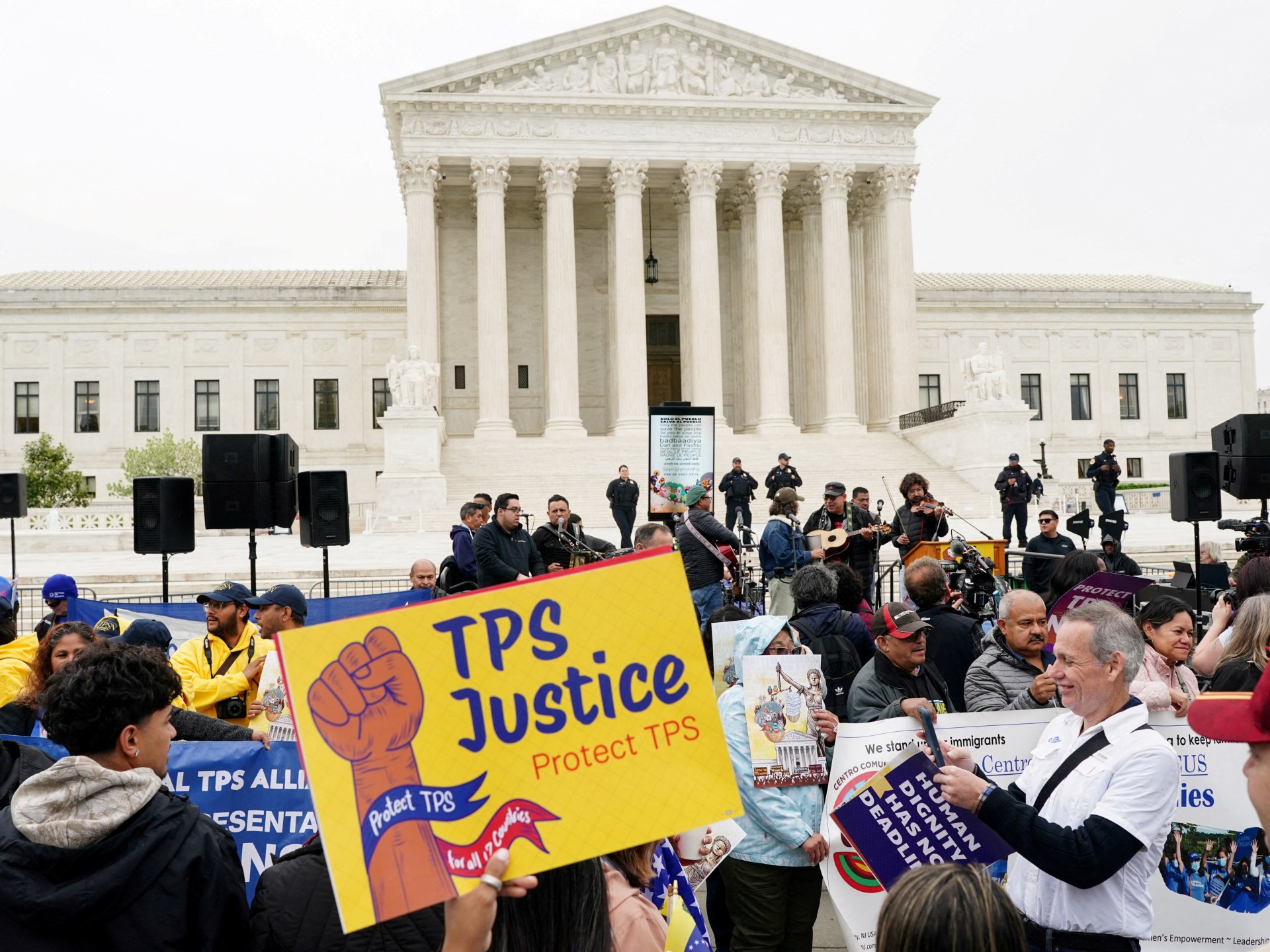
The US Supreme Court ended its nine-month term with several defeats for President Donald Trump, including rulings against his reciprocal tariffs policy and his attempt to end birthright citizenship. Legal experts told Al Jazeera that, despite those losses, the 6-3 conservative court continued to expand the power of the presidency in significant areas.
Trump and his allies have argued for a stronger presidency with wider authority over the other branches of government, according to Al Jazeera. Frank Bowman, professor emeritus of law at the University of Missouri, told Al Jazeera that Trump’s team would likely view the term as largely favorable.
Where the court checked Trump
The court rejected some of Trump’s most ambitious uses of executive authority, particularly on economic policy. In one ruling, the justices upheld the Federal Reserve’s independence by finding that Trump had to follow congressionally required procedures before removing Federal Reserve member Lisa Cook, Al Jazeera reported.
The court also struck down Trump’s reciprocal tariffs, ruling that he had improperly used emergency powers in an area reserved for Congress, according to Al Jazeera. Late last year, the justices blocked the administration from deploying federalized National Guard troops across states for domestic law enforcement, rejecting the White House’s view that conditions allowed Trump to bypass legal limits on such deployments.
On elections, the court turned away an effort by the Republican National Committee, supported by Trump, to stop states from counting mail-in ballots received after polls closed in federal elections, Al Jazeera reported.
On immigration, the court rejected Trump’s attempt to end birthright citizenship by presidential action. Five justices said the move violated the 14th Amendment, while four accepted at least part of the administration’s argument that the amendment had been read incorrectly for 150 years, according to Al Jazeera.
Bowman told Al Jazeera that the birthright citizenship case was a long-shot bid, but said the level of support it received on the court could help keep the issue alive in Republican politics and future litigation.
Rulings that strengthened the presidency
Chris Edelson, a lecturer in political science at the University of Massachusetts Amherst, told Al Jazeera that the court’s limits on Trump came alongside a broader shift toward stronger executive power.
Edelson pointed to the court’s 2024 decision in Trump v United States, which held that presidents have absolute immunity from criminal prosecution for official acts. He also cited Trump v Slaughter, a case this term in which the court allowed the administration to remove heads of executive branch agencies even when Congress had treated those agencies as independent, according to Al Jazeera.
The court also sided with Trump-backed positions in several other areas. According to Al Jazeera, the justices ruled that the president has sole authority over decisions tied to Temporary Protected Status, a legal designation for nationals of countries facing crises.
In another immigration case, the court allowed enforcement agents under the president to turn away asylum seekers before they reached US soil, a practice that avoids laws requiring that people be permitted to seek protection, Al Jazeera reported.
The court also backed a challenge brought by Vice President JD Vance and other Republicans to limits on electoral spending, permitting wealthy donors to give unlimited amounts to political parties, according to Al Jazeera.
Shadow docket use draws scrutiny
The term also featured heavy use of the court’s emergency orders, often called the shadow docket. The Brennan Center for Justice describes those orders as unsigned decisions that typically do not explain the justices’ reasoning.
ProPublica found that the Supreme Court issued 63 shadow docket decisions during the 2024-2025 term, more than in any other term over the previous two decades. That exceeded the 56 decisions issued on the court’s regular merits docket, according to ProPublica.
Legal experts cited by Al Jazeera said those emergency orders have often helped the Trump administration. Examples included the court lifting a lower-court order that had blocked deportations to third countries and lifting a ban on immigration stops based on factors such as ethnicity and language.
Bowman told Al Jazeera that Trump may criticize rulings that do not give him everything he wants, but said the president is receiving much of what he seeks from the court, directly or indirectly.
This story draws on original reporting from Al Jazeera.