
U.S.-Iran framework faces early strain over Lebanon fighting
A preliminary deal has reopened oil shipping routes, but delayed talks and Israeli operations in Lebanon have exposed unresolved disputes.
By Sofia Marchetti · World Affairs Correspondent
3 min read
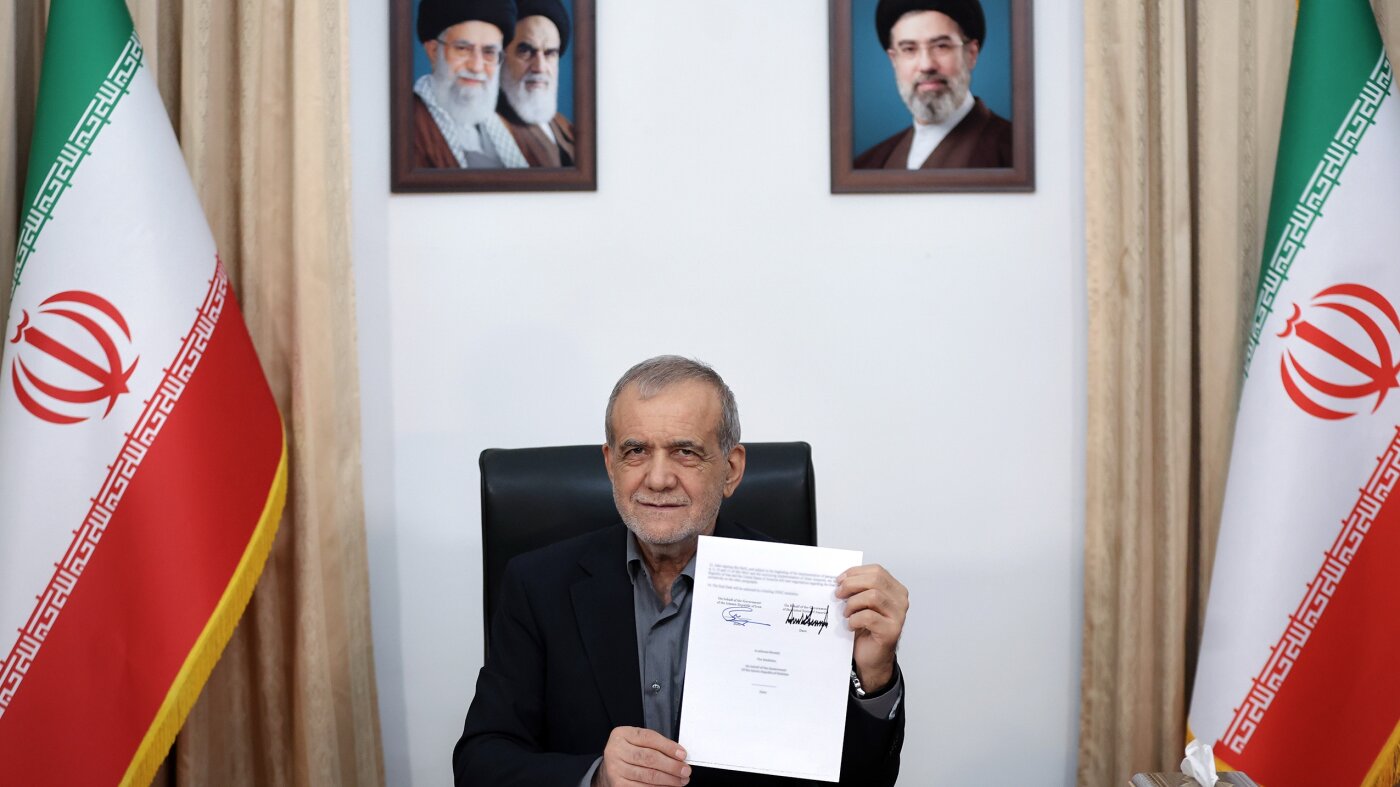
A preliminary U.S.-Iran agreement meant to halt a wider Middle East war is under pressure days after President Trump signed it, as Israel continues military operations in Lebanon and follow-up talks have been delayed. NPR reported that Vice President JD Vance postponed a planned trip to Lucerne, Switzerland, where he had been expected to discuss terms for a peace agreement with Iran.
NPR said the reason for the last-minute delay was unclear. The postponement came as journalists were already gathered in the Swiss city and as the memorandum of understanding began a 60-day period for broader negotiations, with an extension possible if both sides agree.
Shipping restrictions eased
The agreement has already produced one concrete step: U.S. Central Command ended the naval blockade on ships traveling to and from Iranian ports, NPR reported. The memorandum also calls for the Strait of Hormuz to reopen, a waterway central to global shipments of oil, gas and fertilizer.
According to NPR, the United Nations has said the three-and-a-half-month conflict killed thousands across the Middle East, disrupted the global economy and pushed millions into poverty. Trump celebrated the shipping move on Truth Social, writing, “Ships of the World, start your engines. Let the oil flow!”
The deal remains limited. NPR reported that the document does not resolve the deeper hostility between Washington and Tehran, and Trump himself described the memorandum as fragile at the G7 summit in France, saying the United States could resume bombing if Iran did not “behave.”
Lebanon dispute threatens the truce
The agreement calls for military operations to stop on all fronts, including Lebanon. Lebanese media said at least 18 people were killed in overnight Israeli strikes, while Israel said four of its soldiers died in fighting in southern Lebanon, NPR reported.
Israel says its offensive in southern Lebanon targets Hezbollah, the Iranian-backed militia. Lebanon’s Health Ministry says the campaign has killed more than 3,800 people, according to NPR.
Iranian Foreign Minister Abbas Araghchi has said Iran does not consider the war fully over unless Israel withdraws from southern Lebanon. NPR reported that Israel did not take part in the U.S.-Iran negotiations, though Trump said he sent Israel a copy of the document before signing it.
Israeli Prime Minister Benjamin Netanyahu has said Israeli forces will stay in southern Lebanon as long as Israel’s security requires it, according to PBS. Israel’s military also released a map showing a larger area of southern Lebanon under its control, describing it as a buffer zone, NPR reported.
Economic terms favor Iran
The memorandum includes major financial commitments to Iran that would depend on later talks. NPR reported that the United States would work with regional partners on a fund of at least $300 billion for Iranian reconstruction and economic development, with Vance saying Gulf Arab nations would supply the investment.
The agreement also promises to unfreeze Iranian funds and assets that could total tens of billions of dollars, NPR reported. Mohsen Rezaei, a military adviser to Supreme Leader Mojtaba Khamenei, told CNN that Iran wants $24 billion released.
NPR said the Trump administration also plans sanctions waivers that would let Iran sell oil immediately. The memorandum opens the possibility of ending U.S. and international sanctions on Iran, which have restricted its access to the global economy for decades.
Nuclear talks still ahead
Trump has said he can secure a stronger nuclear agreement than the 2015 Joint Comprehensive Plan of Action, which he left during his first term. NPR reported that the new memorandum only says Iran “shall not procure or develop nuclear weapons,” a pledge Iran had also made in the 2015 accord.
The earlier nuclear deal was negotiated by the United States, Britain, France, Germany, Russia and China with technical experts and ran 159 pages, NPR reported. The new framework was negotiated bilaterally by Steve Witkoff and Jared Kushner, while more detailed talks over Iran’s nuclear program have yet to begin.
This story draws on original reporting from NPR.