
Israel’s Lebanon strikes put US-Iran talks in doubt
Planned US-Iran negotiations in Switzerland were postponed after Israeli attacks in Lebanon killed at least 18 people, Al Jazeera reported.
By Lucas Ferreira · Science & Environment Writer
3 min read
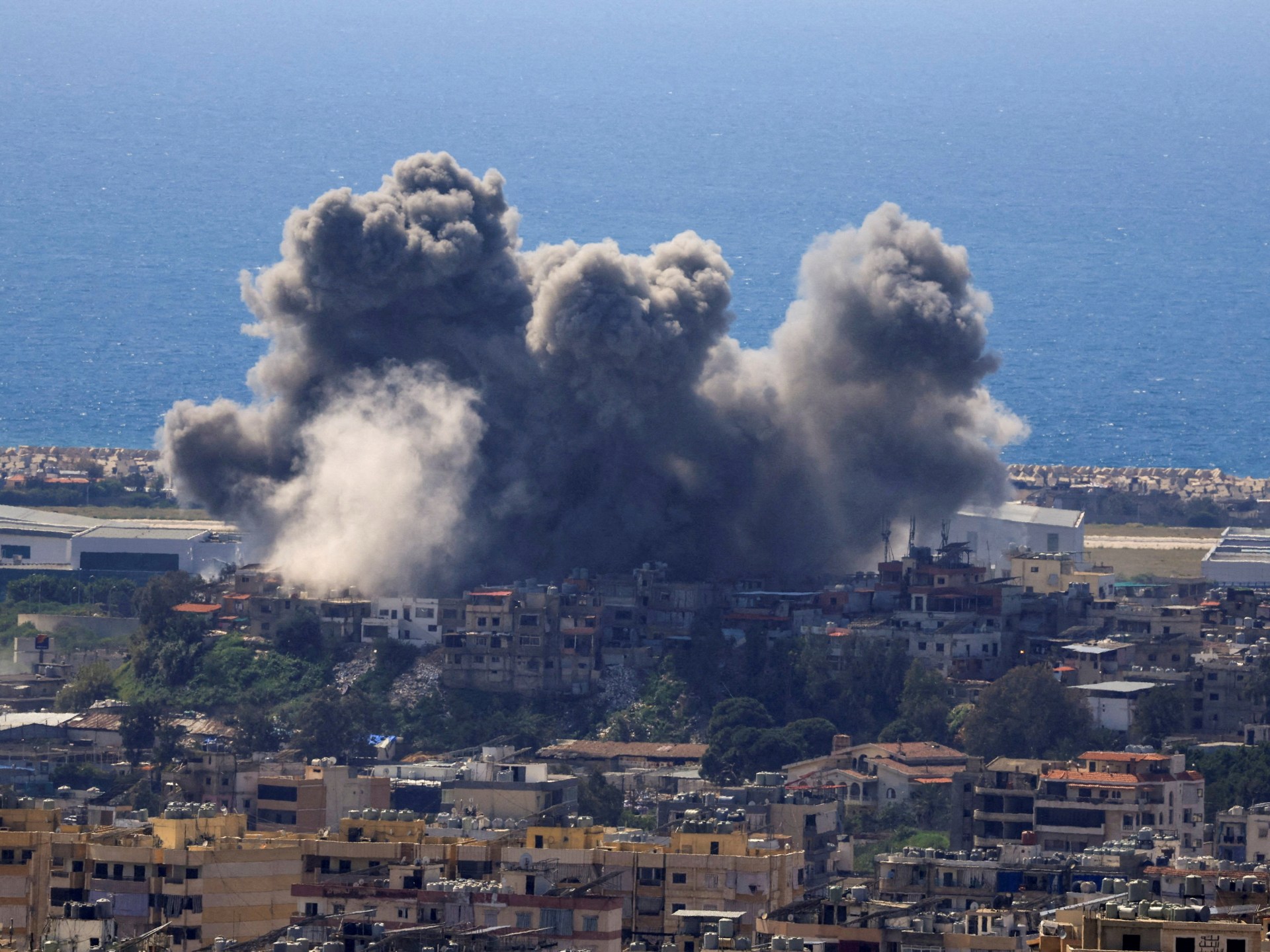
US-Iran peace talks planned for Switzerland have been delayed after Israeli strikes in southern Lebanon killed at least 18 people, casting doubt on a preliminary agreement meant to halt fighting across multiple fronts. Al Jazeera reported that Iran wants proof the Lebanon provisions of the deal are being carried out before its negotiators begin formal talks.
The United States and Iran signed a memorandum this week that opened a 60-day window to negotiate a full peace deal, according to Al Jazeera. The first round had been expected to start Friday at the Burgenstock Resort near Lucerne, but the Swiss Foreign Ministry said the talks on implementing the preliminary agreement had been postponed.
Trips to Switzerland delayed
US Vice President JD Vance called off a planned departure Thursday night, Al Jazeera reported. The White House said the technical talks had not been finalized and that the delegation led by Vance was ready to leave “at the first available opportunity.”
The White House also said the logistics of the negotiations had “never been simple or predictable.” Iran’s semi-official Tasnim news agency reported there was no confirmation Iranian negotiators would travel, saying they first wanted indications that the interim agreement was taking effect, including in Lebanon.
No new date has been announced, even though the 60-day negotiation period began Thursday, according to Al Jazeera.
Lebanon clause under pressure
Al Jazeera reported that the US-Iran memorandum calls for an immediate and permanent end to military operations “on all fronts, including in Lebanon.” It also says the two countries will support Lebanon’s territorial integrity and sovereignty.
The agreement does not name Israel, and neither Israel nor Hezbollah signed it, Al Jazeera reported. That has left open questions about how a ceasefire in Lebanon would be enforced and what obligations Iran would have toward Hezbollah.
Iranian Foreign Ministry spokesperson Esmaeil Baghaei said Tehran “does not separate the United States and the Israeli regime,” according to Al Jazeera. He said Washington is responsible for making sure Israel follows the commitments in the memorandum.
Fighting continues in southern Lebanon
Al Jazeera reported that Israeli bombardment began just after midnight local time Thursday and hit villages and cities in southern Lebanon. At least 18 people were killed and dozens wounded, with many bodies recovered from a residential building in Harouf village, according to the report.
Israel’s military said Friday that its overnight attacks were a response to Hezbollah’s “repeated violations of the ceasefire,” Al Jazeera reported. Hezbollah acknowledged attacks on Israeli military positions inside Lebanon, and Israel’s military later said four of its soldiers had been killed in combat there.
Al Jazeera reported that Israel has carried out near-daily attacks in Lebanon since early March, after Hezbollah fired rockets at Israel following US-Israeli attacks on Tehran that killed Iran’s supreme leader, Ayatollah Ali Khamenei, and other senior Iranian officials. More than 3,000 people have been killed and more than one million displaced, according to Al Jazeera.
Israeli leaders reject withdrawal
Israeli Prime Minister Benjamin Netanyahu has said Israel will not withdraw from occupied Lebanese territory while it says its security needs require a presence there, according to Al Jazeera. Defence Minister Israel Katz said Israeli forces would remain in security zones in Lebanon, Syria and Gaza for an unlimited period.
Far-right National Security Minister Itamar Ben-Gvir wrote on X that “all of Lebanon must burn,” Al Jazeera reported. US President Donald Trump, speaking at the G7 summit in France, criticized Israel’s bombing tactics in Lebanon and said too many people were being killed.
Ali Vaez of the International Crisis Group told Al Jazeera that Trump must decide whether to use US leverage to preserve the memorandum. Tahani Mustafa of the European Council on Foreign Relations told Al Jazeera that Israel could try to undermine the process and that continued talks would require strong pressure from Washington.
This story draws on original reporting from Al Jazeera.