
Israel buffer zone in Lebanon raises dispute over offshore gas rights
Experts told Al Jazeera that Israel’s Yellow Line may affect Lebanese waters covered by a 2022 maritime boundary deal.
By Sofia Marchetti · World Affairs Correspondent
3 min read
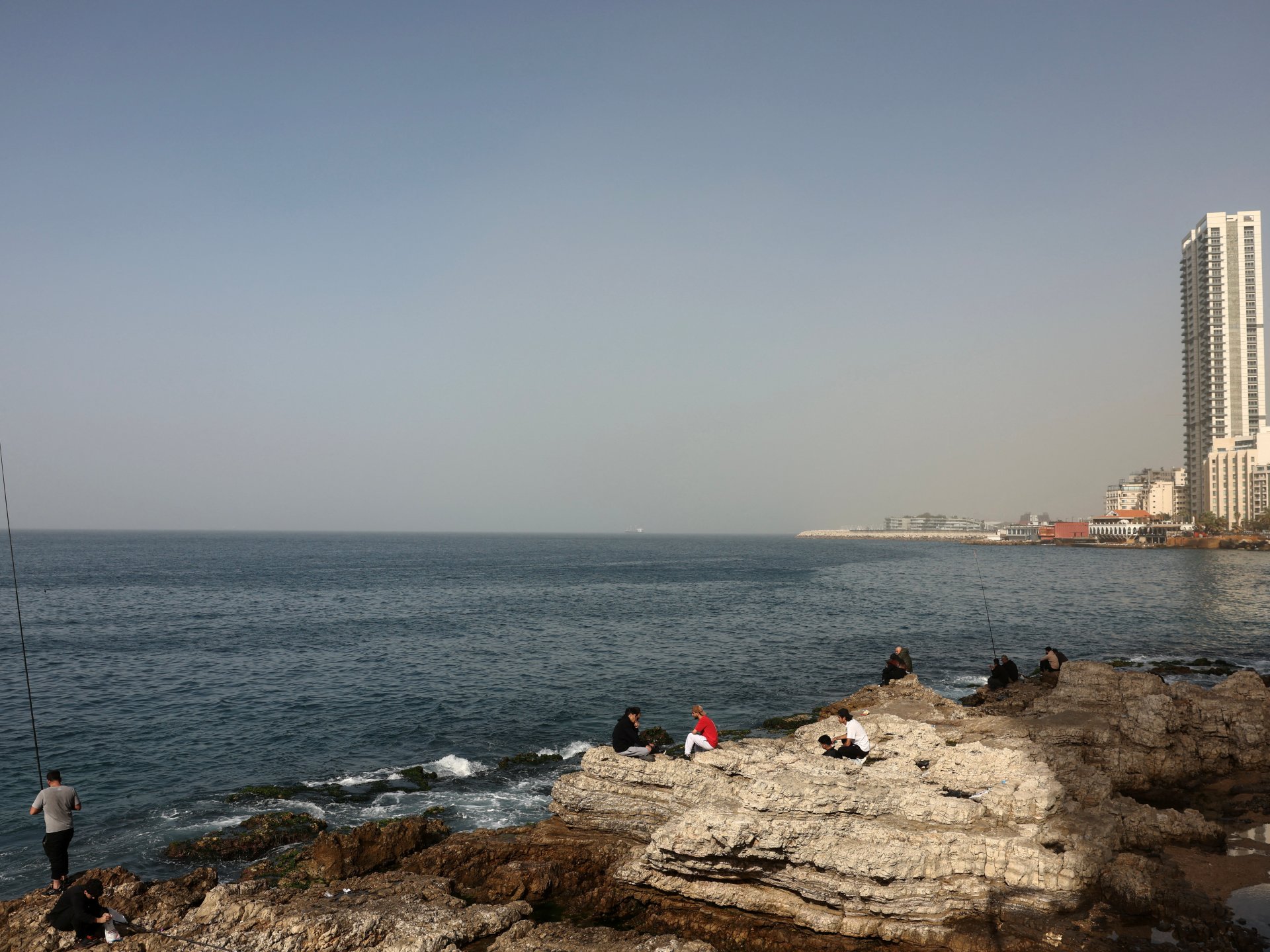
Israel’s declared security zone in southern Lebanon has opened a new dispute over maritime rights and possible offshore gas reserves. Experts told Al Jazeera the zone, which Israel calls the Yellow Line, reaches into waters covered by Lebanon’s 2022 maritime boundary agreement with Israel.
Avichay Adraee, the Israeli army’s Arabic-language spokesperson, published a map of the zone on April 19, days after the United States brokered a ceasefire between Israel and Lebanon, according to Al Jazeera. Israel said the zone was needed to stop attacks by Hezbollah fighters.
Al Jazeera reported that the buffer area runs roughly 10km north of the Lebanon-Israel border and amounts to about 6 percent of Lebanese territory. The map also extends into the Mediterranean, where Lebanon has sought to develop offshore energy projects.
The dispute centers on the Qana gas project and two Lebanese offshore blocks, Block 8 and Block 9. Al Jazeera reported that experts said Israel’s new line absorbs parts of those blocks, despite the 2022 US-brokered maritime agreement that guaranteed Lebanon exploration rights in the area.
In January, TotalEnergies of France, Eni of Italy and QatarEnergy signed an offshore exploration permit with Lebanon for Block 8, according to Al Jazeera. Exploration has been slow since Lebanon passed a hydrocarbon law in 2010, and the country has not established proven offshore reserves.
Laury Haytayan, a Lebanese oil and gas expert and Middle East-North Africa director at the Natural Resource Governance Institute, told Al Jazeera that Lebanon has 10 offshore blocks and that only Block 8 currently has a contract for hydrocarbon activity. She said earlier work in Block 4 was dropped because it was not commercially viable and that nothing was found in Block 9.
Haytayan said the absence of proven reserves makes it impossible to put a firm financial value on the resources. She told Al Jazeera that resources must be proven and commercially exploitable before they can be counted as reserves.
Lebanon and Israel signed the maritime demarcation agreement on October 27, 2022, after years of disagreement over an 860sq km area, according to Al Jazeera. Lebanon does not recognize Israel, so the United States mediated the arrangement through envoy Amos Hochstein without direct talks between the two sides.
Aref Fakhry, a maritime lawyer and associate professor at the World Maritime University in Sweden, told Al Jazeera the agreement is binding under international law. He said Israel’s attempted expansion into Lebanon’s exclusive economic zone would breach legal norms governing territorial waters and resource rights.
Fakhry said waters within 12 nautical miles of Lebanon’s coast fall under Lebanon’s territorial sea, where a coastal state has sovereign control. Farther out, in the exclusive economic zone, he said Lebanon has rights to explore and manage natural resources under the United Nations Convention on the Law of the Sea.
Israeli politicians have split over the 2022 deal. Al Jazeera reported that opposition leader Yair Lapid, who supported the agreement, said in 2022 that it strengthened Israeli security and the economy; Energy Minister Eli Cohen later called it a surrender agreement that gave Lebanon disputed territory.
Lebanese Energy Minister Joe Saddi told Reuters on April 19 that the Israeli map did not change the legal status of the maritime border agreement. Fakhry told Al Jazeera that Lebanon could ask the United States to press Israel to uphold the deal and could also seek action through the United Nations Security Council.
Haytayan told Al Jazeera that any activity by Israel, Israeli firms or international companies inside Lebanon’s exclusive economic zone would be considered illegal under the UN Convention on the Law of the Sea. She said international oil companies would likely avoid work in an occupied maritime area because of legal risk.
This story draws on original reporting from Al Jazeera.