
Israel Gaza strikes kill at least two after displacement orders
Medical sources said Israeli attacks hit Gaza after evacuation orders, as aid agencies warn food insecurity remains severe.
By James Whitfield · Staff Writer
3 min read
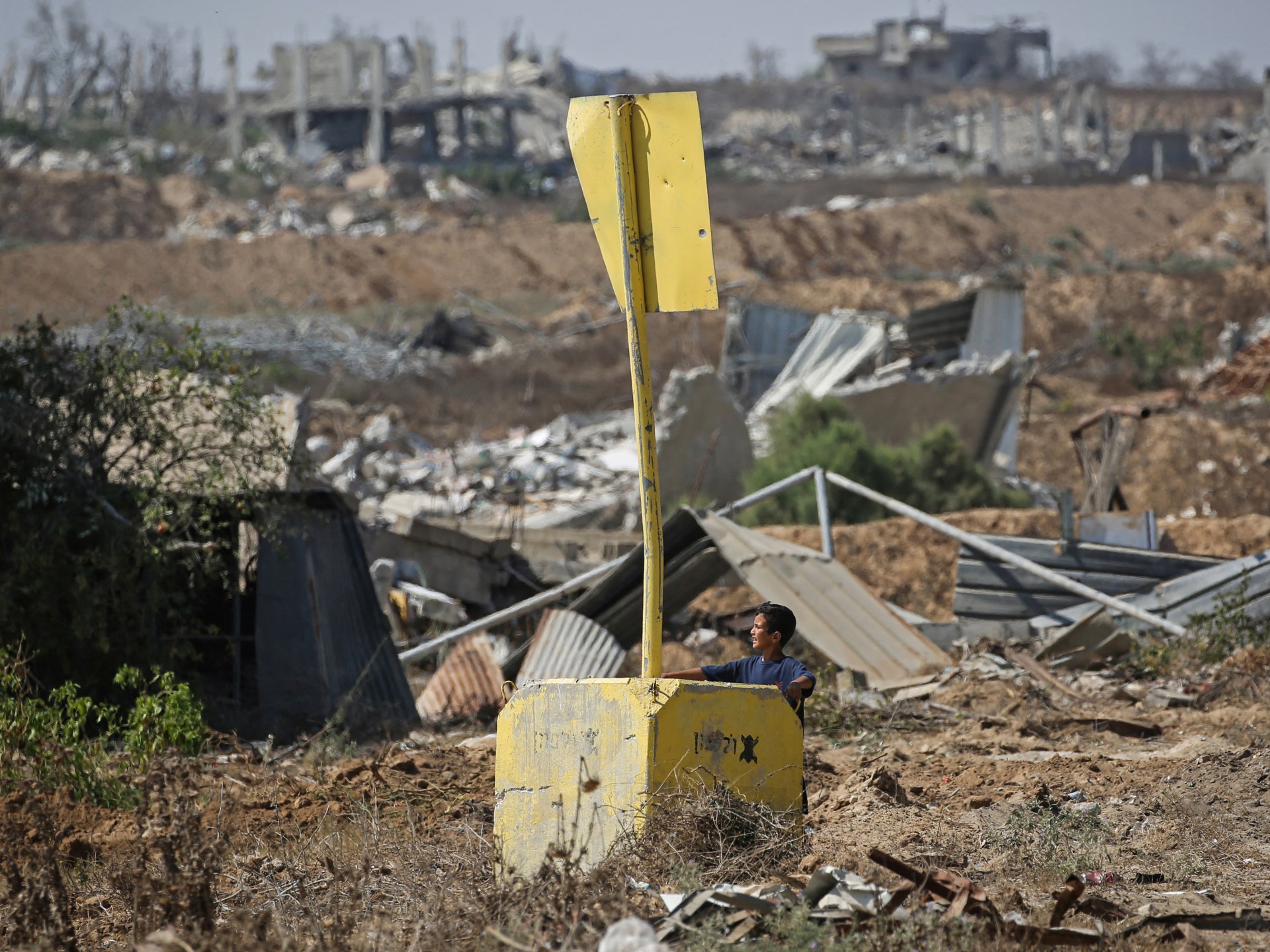
Israel Gaza strikes killed at least two Palestinians on Thursday after the Israeli military issued displacement orders for several parts of the territory, medical sources said. The attacks add to a continuing escalation even after a United States-brokered ceasefire took effect last year.
Al Jazeera correspondent Ibrahim al-Khalili, reporting from Gaza City, said Israel had warned people in four areas to leave before heavy bombardment followed. He said some attacks hit areas where residents had been ordered to move, and that one strike in Gaza City caused a large fire that Civil Defence teams were still trying to extinguish.
What happened in Gaza after Israel's displacement orders?
Israeli air attacks destroyed homes in the Bureij and Jabalia refugee camps, as well as the Zeitoun and Tal al-Hawa neighbourhoods of Gaza City, according to Al Jazeera. A source at al-Ahli Hospital told the network that another Israeli strike on a building in Zeitoun, southeast of Gaza City, wounded several people.
Al-Khalili said evacuation orders in Gaza often mean families must leave the limited shelter they have found, sometimes at night and under panic, with many ending up on the streets because they have no clear alternative. The latest orders came as violence continued around the territory’s so-called Yellow Line, a marker drawn by the Israeli military in eastern Deir el-Balah, according to an AFP image caption cited by Al Jazeera.
An evacuation order is an instruction from a military authority telling civilians to leave a specific area, usually ahead of expected operations. In Gaza, aid groups and reporters have repeatedly described such orders as difficult to follow because of damaged infrastructure, overcrowding and limited safe shelter, though those broader conditions were not quantified in Thursday’s report.
US-backed Gaza plan faces delays
The attacks came as a US-backed plan for Gaza, including an international security force and restrictions affecting the territory, has stalled, according to Al Jazeera. Egypt’s Ministry of Foreign Affairs said Egyptian Foreign Minister Badr Abdelatty urged US Secretary of State Marco Rubio on Thursday to speed up deployment of the International Stabilization Force in Gaza.
The ministry said Abdelatty made the appeal during a meeting with Rubio on the sidelines of the ASEAN foreign ministers summit in Manila. It said he also called for the quick start of a committee meant to administer Gaza, arguing that such a step would help reduce tensions and restore stability in the region.
Egypt’s push came alongside Israeli media reports that 30 Moroccan officers had visited Gaza to prepare for a possible role in the international force, according to Al Jazeera. Morocco said earlier this month that it would send security personnel and set up a field hospital in Gaza.
Food insecurity remains severe
UN agencies said in a new analysis that about 1.4 million people in Gaza, or 67 percent of the population, are still facing crisis or worse levels of acute food insecurity. That figure is down slightly from 1.6 million people at the end of last year, according to the analysis cited by Al Jazeera.
Ross Smith, the UN World Food Programme’s director of emergency preparedness and response, told Al Jazeera that conditions in Gaza remain a critical humanitarian emergency. He said aid groups need access to reach people where they are, continued funding for relief operations and sustained attention to civilian needs.
The United Kingdom’s Foreign Office also called on Israel to end limits on humanitarian support for Gaza. In a statement from Prime Minister Andy Burnham’s newly formed government, the Foreign Office said Gaza still faces crisis levels of food insecurity and said Israeli aid restrictions are contributing to disease, water shortages and damage to health services.
This story draws on original reporting from Al Jazeera.