
Israel expands control in Gaza and Hebron amid rising deaths
Israeli moves in Hebron and Gaza drew Palestinian and international criticism as Gaza’s post-ceasefire death toll passed 1,000, Al Jazeera reported.
By Lucas Ferreira · Science & Environment Writer
4 min read
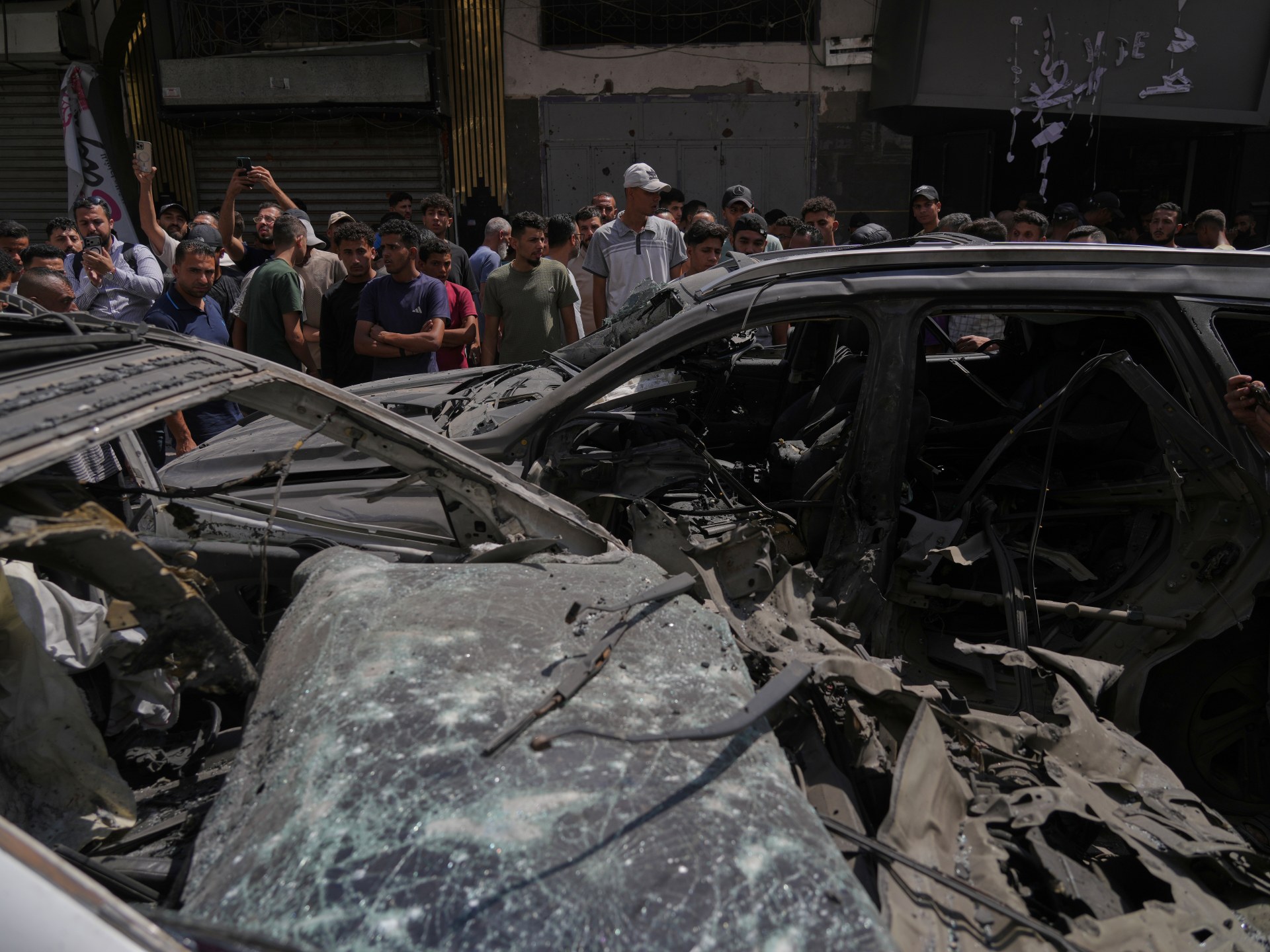
Israel took new steps to extend control over Palestinian areas in Hebron and Gaza over the past week, drawing objections from Palestinian officials, international bodies and Washington, Al Jazeera reported. The moves came as Gaza’s death toll since a nominal ceasefire passed 1,000 and another Al Jazeera staff member was killed.
In Hebron, Israeli Finance Minister Bezalel Smotrich said at the opening of the new Doran settlement that Israel had “cancelled” the 1997 Hebron Agreement, according to Al Jazeera. He said Israel now held planning authority in the H2 area of the occupied West Bank city, which includes Israeli settlements and the Ibrahimi Mosque.
Israel’s Foreign Ministry later said the agreement itself had not been cancelled, but said a cabinet decision months earlier had shifted planning powers over Jewish community areas and holy sites, Al Jazeera reported. The Palestinian Authority called the move illegal, while the Organisation of Islamic Cooperation said it threatened Hebron’s status. The US State Department said it did not support Israeli annexation of the West Bank.
In Gaza, Israel’s Channel 13 reported that after the administration of US President Donald Trump blocked a larger ground operation, Israel chose what Israeli officials called “creeping” annexation. The report said Israel expanded the so-called Yellow Line westward and carried out periodic incursions without a formal announcement.
The Palestinian Centre for Human Rights estimated that Israeli forces now control about 64 percent of Gaza, compared with 53 percent under the October 10 ceasefire terms cited by Al Jazeera. In the West Bank, Al Jazeera reported that Israeli bulldozers continued work on what the army described as its first permanent post inside Area A since the Oslo Accords. Area A is meant to be under full Palestinian administrative control.
Al Jazeera also cited Palestinian activists who said work advanced on the “Crimson Thread” barrier in the northern Jordan Valley after Israel’s Supreme Court lifted an order blocking it. The barrier is intended to separate the area from Nablus and Tubas, according to those activists. Wafa reported that Israel’s Civil Administration, overseen by Smotrich, approved 576 settlement housing units, even as Israeli border police demolished homes at four settler outposts.
Gaza’s Health Ministry said the number of people killed since the ceasefire passed 1,000 on June 17 and reached 1,024 by June 22. The ministry said the total number killed in Gaza since October 2023 had exceeded 73,000. UN relief chief Tom Fletcher told the Security Council that more than 250 of those killed since the ceasefire were children.
On June 20, Al Jazeera reported that an Israeli strike on the Safadi family’s apartment in Gaza City killed Hussein al-Safadi and his daughters Lana, 14, and Zina, four; their mother later died of her wounds. Al Jazeera correspondents said the area had received no prior warning.
The same day, a strike in al-Bureij killed three people, including Ahmad Wishah, a cameraman for Al Jazeera Mubasher, the network said. Al Jazeera condemned the killing as deliberate and rejected the Israeli military’s claim that Wishah was a Hamas operative, calling it baseless. The network said he was its 12th staff member killed in Gaza since October 2023, while the Committee to Protect Journalists says at least 260 Palestinian journalists have been killed in that period.
Separately, Israel’s Supreme Court again rejected an appeal by Dr Hussam Abu Safiya, director of Kamal Adwan Hospital, Al Jazeera reported. His lawyers say he is being held without charge, in solitary confinement, and shows signs of torture.
International pressure on Israel also grew. Norway announced plans to ban trade with West Bank settlements, 85 US House members urged Washington to stop the E1 settlement project, and the UN warned that Israeli settler groups could be added to a blacklist for grave violations against children. Israel’s foreign minister, Gideon Saar, cut contact with the European Union’s top diplomat over remarks attributed to her comparing Israeli policy to apartheid.
UN agencies also warned of worsening conditions in Gaza. The UN said fuel deliveries in the week of June 16 were far below needs, forcing aid groups to reserve supplies for life-saving services. It said more than 520 surgical and endoscopic procedures could be halted because of a lack of disinfectant, and that the humanitarian response was funded at 24 percent of requirements.
In the West Bank, Wafa, AFP and Palestinian media reported that settlers set fire to mosques in Jiljiliya and Mazraa al-Nubani on June 17 and left Hebrew graffiti including the phrase “Night of the Mosques.” The Israeli military confirmed the mosque attacks to AFP but did not name suspects. Eight Arab and Muslim states condemned the incidents.
Palestinian local officials and activists also reported repeated settler attacks on water infrastructure. Village mayor Marwan Sabah said settlers damaged Umm Safa’s main water pipe with heavy machinery, while activists reported pipelines cut near Bedouin communities in Atouf and Khan al-Ahmar and a water tanker seized in the Atouf plain.
This story draws on original reporting from Al Jazeera.