
Iraq’s militias face new disarmament push as oil revenues fall
Prime Minister Ali al-Zaidi is pressing armed factions to come under state control as war strains Iraq’s economy and US pressure rises.
By James Whitfield · Staff Writer
3 min read
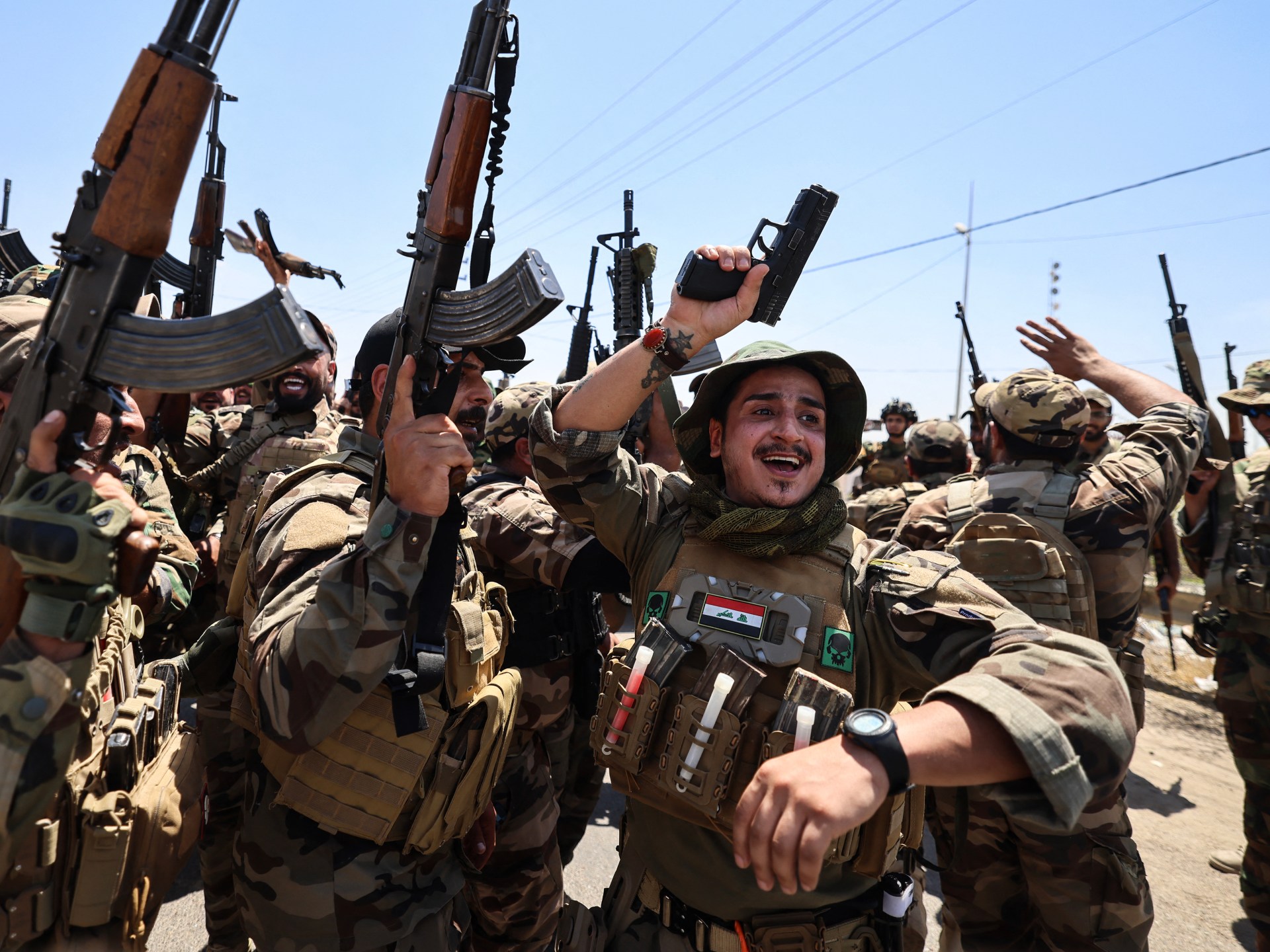
Iraq’s new prime minister is trying to bring powerful paramilitary groups under state authority, a test that could shape the country’s security and finances. Ali al-Zaidi has tied the effort to a broader push to reassure Washington and attract investment as the regional war has hit Iraq’s oil income, according to Al Jazeera.
In his first speech to parliament in mid-May, al-Zaidi pledged to reform the security apparatus by limiting weapons to state control and strengthening official forces. Al Jazeera reported that similar promises have been made by previous Iraqi leaders, but armed factions have remained influential since the 2003 US-led invasion.
The pressure on Baghdad has grown during the US-Israel war on Iran. Al Jazeera reported that several Iraqi factions have fired missiles and drones at US facilities in Iraq and the Gulf, raising the risk that Iraq could be pulled further into the conflict.
Economic pressure adds urgency
Iraq’s economy has also come under strain since the war began in late February and the Strait of Hormuz was closed, Al Jazeera reported. Before the war, Iraq exported about 3.3 million barrels of oil a day, with roughly 90 percent of that moving through the strait; March figures showed exports falling to about 600,000 barrels a day.
Oil income accounts for more than 90 percent of Iraq’s state budget, according to Al Jazeera. Political analyst Mujashaa Altimimi told the outlet that arms outside state control now pose an economic problem as well as a security one, saying stability and growth cannot advance while weapons remain beyond government authority.
Al-Sadr moves first
Muqtada al-Sadr, one of Iraq’s most prominent Shia leaders, gave al-Zaidi a major opening on May 27. Al-Sadr announced that Saraya al-Salam would separate from his National Shia Movement and that its members would be folded into Iraq’s state forces, according to Al Jazeera.
Al-Sadr also urged other armed groups, especially factions linked to the largely Shia, Iran-backed Popular Mobilisation Forces, to dissolve themselves. Al Jazeera reported that some groups have said they will comply, including Asaib Ahl al-Haq, which the United States designates as a foreign terrorist organisation.
Faleh al-Fayyad, who heads the PMF, said there would be a full break between the PMF and political organisations, according to Al Jazeera. He said the goal was to make the PMF subject to one system and tied to the prime minister as commander-in-chief of the armed forces.
Other factions have refused. Al Jazeera reported that Kataib Hezbollah and Harakat al-Nujaba rejected the government’s call to confine weapons to the state.
Implementation remains uncertain
An influential Shia figure in Iraq, speaking anonymously to Al Jazeera, said factions that reject the government’s effort would become isolated, but warned that dismantling them should be handled over time to avoid bloodshed. The figure said a drawn-out process would be preferable to confrontation.
The practical details remain unresolved. Al Jazeera reported that it is unclear whether groups with long-established military power will hand over weapons, what they may seek in return, and how the state would absorb fighters into official structures.
Rahman al-Jebouri, head of the Political Leadership and Governance Development Academy, told Al Jazeera that al-Sadr may be showing he can still shape Iraqi politics despite his election boycott. Al-Jebouri said al-Sadr appears to understand the wider regional and US-backed pressure to disarm non-state actors and may be preparing ground for a political return.
One proposal under discussion is the creation of a new security ministry that could include forces such as the PMF and the Kurdish Peshmerga, Al Jazeera reported. Iraqi political analyst Hani Ashour told the outlet that optimism should be limited, saying the outcome remains uncertain.
This story draws on original reporting from Al Jazeera.