
Iraq graft arrests raise pressure on prime minister
Ali al-Zaidi’s detention of 47 officials is being cast as an early test of whether Baghdad can confront entrenched corruption.
By Sofia Marchetti · World Affairs Correspondent
3 min read
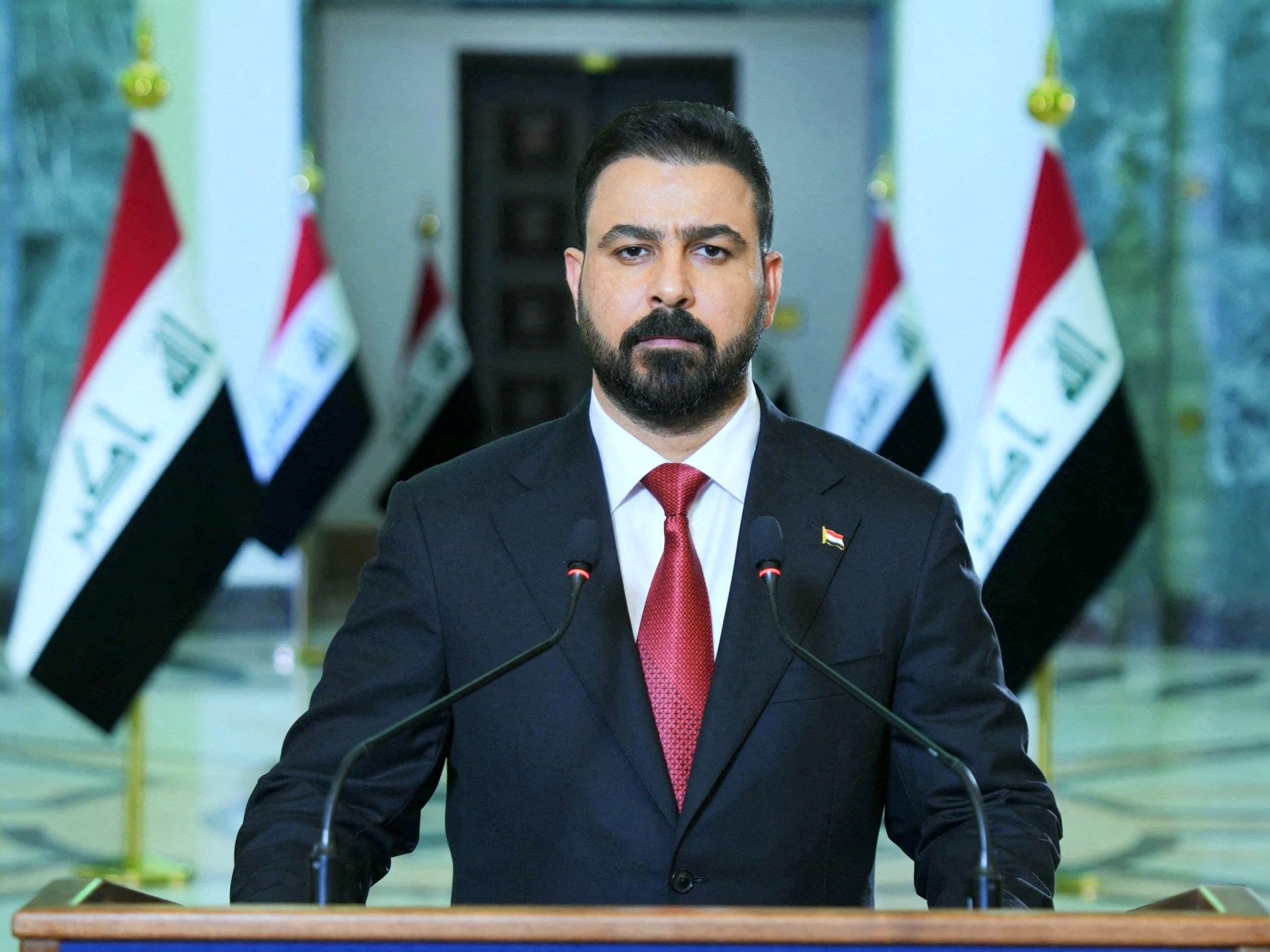
Iraqi Prime Minister Ali al-Zaidi has ordered a corruption crackdown that led to the arrest of 47 officials, lawmakers and politicians, according to Al Jazeera. The move matters because it tests whether his new government can take on networks that former US diplomat Joey Hood says are embedded in Iraq’s state and economy.
Hood, a former US charge d’affaires in Iraq and former US ambassador to Tunisia, wrote for Al Jazeera that the arrests should be treated as an opening step rather than a solution. He said Iraq’s corruption problem is too broad to be changed by one case or one round of detentions.
According to Hood, the arrests appear tied to an inquiry involving Adnan al-Jumaili, the Ministry of Oil’s undersecretary for refining affairs. He said around a dozen members of parliament were among those affected after their immunity was removed.
Oil ministry case draws scrutiny
Hood said the case may expose links among politicians, their backers and the Ministry of Oil. He argued that Iraq’s post-2003 ethnosectarian power-sharing system has encouraged parties and groups to treat ministries as revenue sources.
Al-Zaidi, shown in a May 16 televised address after taking office, has promised to fight corruption, according to Al Jazeera. Hood said the arrests could help the prime minister show resolve before a planned July visit to Washington, DC, but said their effect remains mostly symbolic unless followed by a long campaign.
Hood also connected the issue to US concerns over Iraqi banking and dollar flows. He said that when he served at the US embassy in Iraq, he urged the US Federal Reserve to phase out physical shipments of dollar banknotes from Iraqi oil sales and replace them with electronic transfers within three years.
According to Hood, about 95 percent of dollar transfers to Iraq are now digital. He said the shift helped bring Iraqi banking closer to international standards and made some forms of bribery harder.
US concerns focus on militias and money
Hood wrote that Washington has long known about corruption in Iraqi institutions and supported the creation of anticorruption bodies. He said many Iraqis came to view those bodies as corrupt as well, citing Iraqis who told him auditors themselves demanded bribes.
More recently, Hood said, the US government has focused on limiting dollar flows to Iran-backed militias with influence inside Iraq’s government and economy. He said the Popular Mobilisation Forces, after taking part in the fight against ISIL in 2017, later became linked to renewed rocket attacks on the US embassy and attacks on US forces supporting Iraqi security forces.
Hood said Iraqi officials often condemned attacks or announced investigations but avoided stronger steps, citing fears of civil conflict. He also said militia-linked political forces expanded from extortion into state-backed economic power, including through the Muhandis General Company, named for Abu Mahdi al-Muhandis, who was killed with Qassem Soleimani in a US strike on January 3, 2020.
Hood argued that US officials have reason to worry that dollars tied to Iraq’s oil sales could move through militia-influenced ministries and companies toward Iran. He said al-Zaidi faces a difficult task because he needed support from some powerful politicians and militia leaders to become prime minister.
Public trust is also weak, Hood wrote, with about half of Iraqis not using banks. He cited the 2022 theft of $2.5bn from General Tax Authority accounts at state-owned al-Rafidain Bank as one reason many citizens distrust the system.
Hood said he expects continued pressure from the US government and banking system on Baghdad to cut off illicit dollar flows, protect US and Iraqi interests, make Iraq safer for American investment and rebuild confidence in Iraqi banks.
This story draws on original reporting from Al Jazeera.