
Iran warns ships against unauthorised Hormuz route
The IRGC said vessels must use Iran’s approved corridor, raising pressure over a waterway central to energy shipments and US-Iran talks.
By Daniel Okafor · Business Editor
3 min read
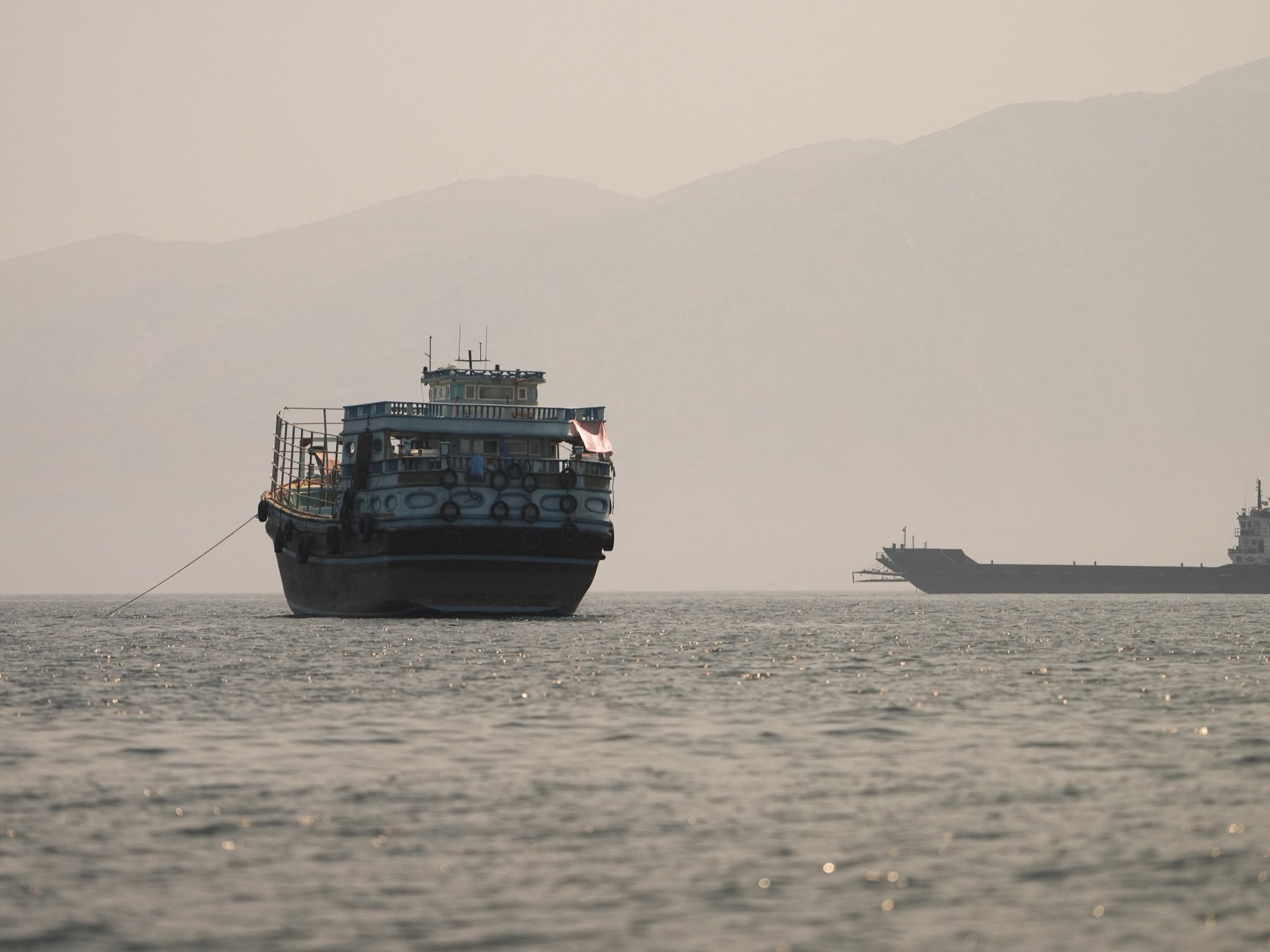
Iran’s Islamic Revolutionary Guard Corps warned ships on Thursday against crossing the Strait of Hormuz outside a route approved by Tehran, threatening action against vessels that do not comply. The warning raises the stakes over one of the world’s most important energy corridors as Iran and the United States discuss longer-term rules for passage after a ceasefire.
The IRGC said the only permitted path through the strait is the one announced by Iran, according to Al Jazeera. It described unauthorised crossings as dangerous and unacceptable, and said noncompliant vessels “will be dealt with.”
The force also criticised what it called a newly announced route through the waterway by “certain authorities,” Al Jazeera reported. It did not identify those authorities or give further details.
The statement followed the movement of a Liberian oil tanker, the Stoic Warrior, out of the strait on Thursday along a course near Oman’s coast, according to The Associated Press. AP reported that the tanker signalled its plan to transit Hormuz, left early Thursday, travelled near the coasts of the United Arab Emirates and Oman, and passed around Oman’s Musandam Peninsula.
AP said that route was part of a passage laid out by Oman with the International Maritime Organization, the United Nations agency responsible for shipping safety. Iran’s approved route runs through a corridor closer to its own coast, Al Jazeera reported.
Al Jazeera correspondent Resul Serdar, reporting from Tehran, said the IRGC is angered by the route because it appears to avoid the force’s control over the strait. He said Iran has used its position in Hormuz as leverage against its opponents and over the global economy since the start of the war with the United States.
Serdar said Tehran’s position is that even if Iran and the US reach a final agreement, Iran will not give up control over the strait. Al Jazeera reported that the waterway had been effectively blocked by Iran during the more than 100-day war between the two countries.
The Strait of Hormuz lies between Iran and Oman and is about 30km, or 18 miles, wide at its narrowest point. Al Jazeera reported that about 20 percent of the world’s crude oil and liquefied natural gas normally passes through it.
Rules for the strait have become a central dispute in US-Iran talks. A memorandum of understanding signed last week by Tehran and Washington to extend their ceasefire allows commercial vessels to pass through the strait without charge for 60 days, according to Al Jazeera.
What happens after that period remains unsettled. Iran says it plans to impose maritime service fees, while Washington says Hormuz is an international waterway and should not be subject to charges.
Iran and Oman said Tuesday they would examine costs tied to services for managing the strait, Al Jazeera reported. US Secretary of State Marco Rubio, visiting Gulf countries this week, said Washington would not accept tolls or fees.
This story draws on original reporting from Al Jazeera.