
Iran presses Strait role and frozen funds before any US talks
Tehran has disputed Trump's claim of imminent talks in Doha while signaling demands on Hormuz, frozen assets, Lebanon and sanctions.
By Daniel Okafor · Business Editor
4 min read
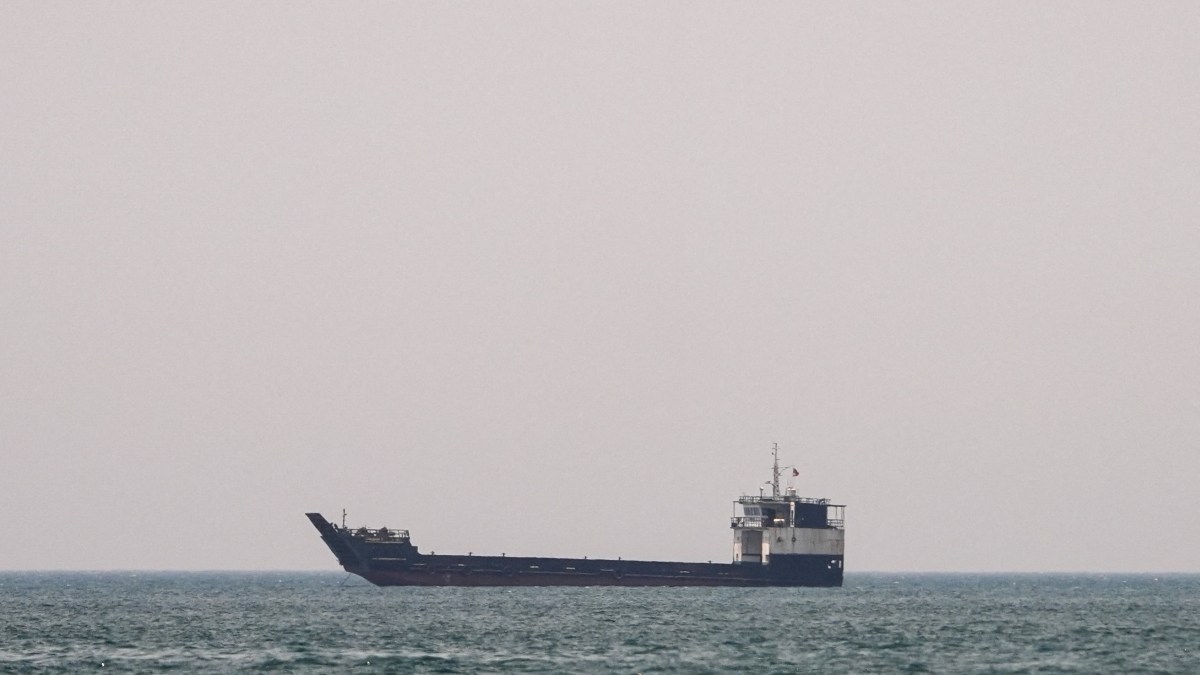
Iran is signaling that any renewed diplomacy with the United States will center on enforcing an existing memorandum of understanding, especially control of traffic through the Strait of Hormuz. The issue matters because last week’s exchange of strikes showed how quickly disputes over the waterway can turn into direct military confrontation.
President Donald Trump said the two sides would meet in Doha on Tuesday, Al Jazeera reported. Iran’s Deputy Foreign Minister Kazem Gharibabadi rejected the idea that technical talks with the US would take place in Qatar this week, saying instead that Iran would continue consultations with Qatari officials.
Mehdi Fazaeli, a member of the Iranian supreme leader’s office, told Iranian state television that Iranian negotiators had cancelled talks planned for Sunday because of major disagreements with Washington over the Strait of Hormuz and other matters.
Strait of Hormuz at the center
The June 17 memorandum says Iran will use its “best efforts” to arrange safe passage for commercial ships between the Persian Gulf and the Sea of Oman for 60 days without charge, according to Al Jazeera. Both governments accused the other of breaching that commitment after violence resumed last week.
Iran said a US-backed evacuation route for stranded vessels was unacceptable. Al Jazeera reported that a container ship and a tanker using that route were attacked Thursday; Washington blamed Iran, then struck infrastructure and installations on Iran’s southern islands. Iran later attacked US bases in Bahrain and Kuwait.
Iranian Foreign Minister Abbas Araghchi said Sunday that other countries should not interfere with Iran’s arrangements for reopening and managing the strait. He also said restoring the waterway to the capacity it had before the US-Israeli war on Iran began in late February would take at least a month.
US Vice President JD Vance has floated a military hotline between Iran and the United States, but Al Jazeera reported that it has not produced visible results in preventing clashes. Iran’s Islamic Revolutionary Guard Corps has indicated it is not interested in such a channel.
Iranian authorities have also said they want to collect fees tied to insurance, environmental and other services in the strait. Washington and others have rejected tolls, and the memorandum bars them during the 60-day period.
Frozen money and sanctions relief
Access to Iranian funds frozen abroad under US sanctions is another central demand. Trump and other US officials have said any access would come later and depend on Iran’s compliance with the memorandum, according to Al Jazeera.
Iranian officials are seeking to avoid arrangements under which money is nominally released but remains hard to use. President Masoud Pezeshkian said Iran expects at least $6bn held by Qatar to be released.
The memorandum says Iran’s funds will become fully available once the agreement is implemented and that release procedures will be negotiated by both sides. It also says the money must be usable by beneficiaries designated by Iran’s Central Bank, while the US must issue the needed licences and authorisations.
Trump said Iran would use the money to buy corn and other humanitarian goods such as food and medicine. Central bank chief Abdolnasser Hemmati said Iran may buy US agricultural products if price and quality are acceptable, but he said the memorandum does not require such purchases.
Lebanon and nuclear limits
Iran is also seeking broader commitments, including US recognition of Iranian sovereignty, non-interference in domestic affairs, no new sanctions or regional force build-up during the memorandum period, a US military pullback from Iran’s periphery, economic or reconstruction support, and formal monitoring and dispute procedures, Al Jazeera reported.
Lebanon is a major part of Tehran’s agenda. The memorandum called for an immediate and permanent halt to military operations on all fronts, including Lebanon, where Hezbollah has fought Israel. Al Jazeera reported that a US-brokered agreement signed Friday with Lebanon does not require Israeli soldiers to leave southern Lebanon or halt all attacks, drawing criticism from Hezbollah while Lebanese officials endorsed it.
Iran’s missile programme has been ruled out of negotiations tied to the memorandum. On the nuclear programme, Iranian officials have previously said they could make concessions, including diluting highly enriched uranium buried at bombed facilities, but only under a step-by-step timetable guaranteeing economic benefits from sanctions relief.
This story draws on original reporting from Al Jazeera.