
Iran threatens ships over Strait of Hormuz route rules
Iran’s military warned vessels in the Strait of Hormuz to follow its approved routes, adding pressure to a vital energy corridor.
By Lucas Ferreira · Science & Environment Writer
3 min read
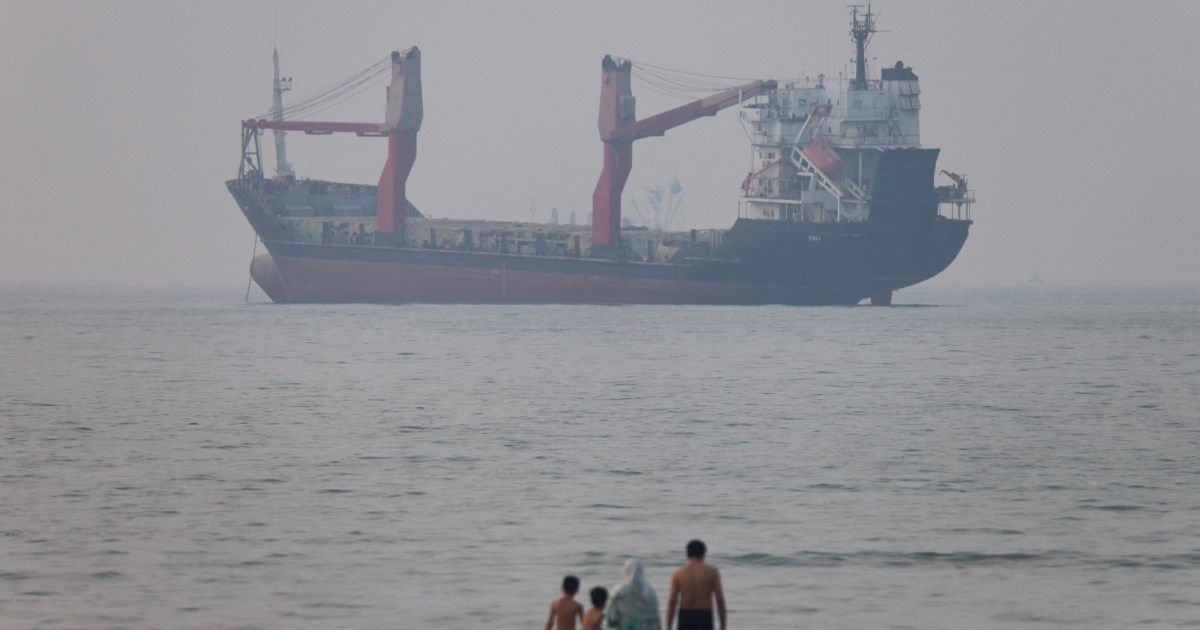
Iran’s military has warned ships using the Strait of Hormuz that they could face an armed response if they do not follow routes approved by Tehran. The warning raises fresh concern over traffic through one of the world’s most important corridors for oil and liquefied natural gas shipments.
Iran’s Khatam al-Anbiya Central Headquarters issued the warning Thursday, according to the semi-official Tasnim news agency. The command said vessels that leave designated lanes or ignore Iranian navigation rules in the strait would put themselves at risk of an immediate response by Iran’s armed forces.
The statement did not identify a specific incident that triggered the warning, according to Al Jazeera. It came one day after Qatari mediators said indirect talks between United States and Iranian officials had made “positive progress” toward a peace agreement.
US Central Command said Wednesday that it had led a security dialogue in Bahrain where regional leaders stated support for keeping commerce moving through the Strait of Hormuz. Iranian Deputy Foreign Minister Kazem Gharibabadi criticized that forum Thursday, saying in a post on X that it could not create legal order or security in the Persian Gulf.
Gharibabadi said regional security depended on an end to foreign intervention, a US withdrawal from the area, respect for sovereignty and acceptance of new geopolitical conditions, rather than what he described as US military protection.
The strait has become a key issue in talks between Washington and Tehran aimed at turning a fragile ceasefire into a longer-term peace, according to Al Jazeera. Before the US-Israel war on Iran began in late February, the waterway carried about one-fifth of global oil and liquefied natural gas trade, Al Jazeera reported.
Under a memorandum of understanding signed June 17 by US President Donald Trump and Iranian President Masoud Pezeshkian, Iran agreed to make its “best efforts” to arrange safe passage for ships in the strait, according to Al Jazeera. Tehran has also repeatedly threatened vessels that do not use its preferred route near the Iranian shoreline, Al Jazeera reported.
MarineTraffic has recorded at least 49 attacks on commercial vessels in the strait since the war began Feb. 28, according to Al Jazeera. The outlet reported that most of the incidents have been blamed on Tehran, including drone attacks on a Singapore-flagged cargo ship and a Panama-flagged merchant vessel on Thursday and Saturday, respectively.
Ship crossings have increased since the June 17 memorandum, though they remain well below the level seen before the conflict, according to MarineTraffic data cited by Al Jazeera. At least 45 vessels crossed the strait Wednesday, up from 34 on Tuesday, compared with roughly 130 daily crossings before the war.
Oil prices were steady as Asian markets opened Friday, after easing Thursday on reports of productive talks in Doha, according to Al Jazeera. Brent futures for August delivery were at $72.07 a barrel at 02:30 GMT, after falling below $71 the previous day for the first time since the war began.
This story draws on original reporting from Al Jazeera.