
Iran rebuilding plan draws US backlash over $300bn pledge
Trump and Vance say US taxpayers will not fund Iran’s reconstruction, but Democrats and some Republicans are attacking the pledge.
By Sofia Marchetti · World Affairs Correspondent
3 min read
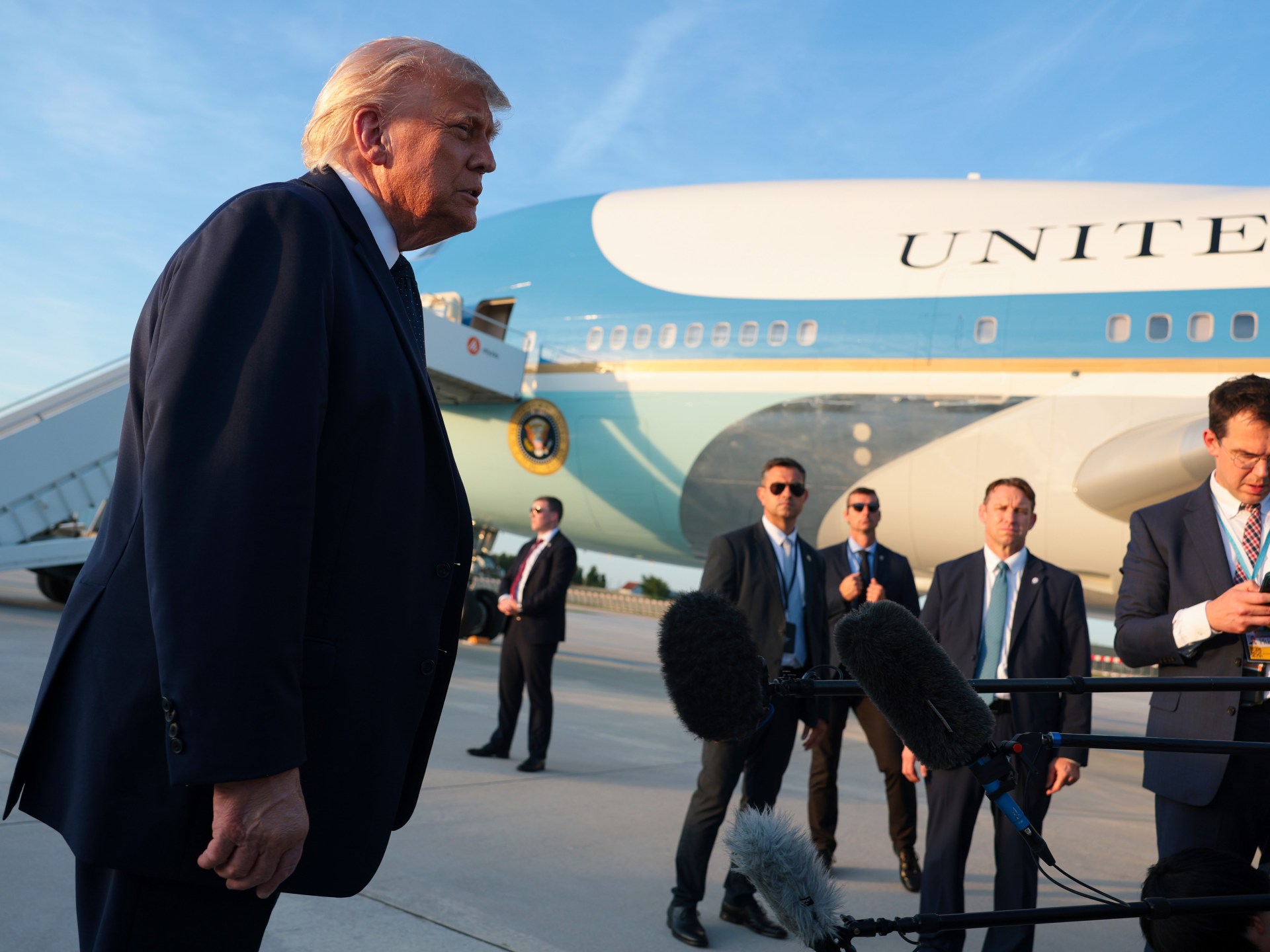
A $300bn reconstruction pledge for Iran in a new US-Iran memorandum has turned into a fight in Washington over foreign spending and domestic needs. President Donald Trump and Vice President JD Vance said Thursday that American taxpayers would not pay for the plan, according to Al Jazeera.
The memorandum, signed by Trump and Iranian President Masoud Pezeshkian, is aimed at ending the US-Israel war with Iran. It says the United States will work with regional partners on a mutually agreed plan of at least $300bn for Iran’s reconstruction and economic development, Al Jazeera reported.
The document leaves the funding structure unresolved. It sets a 60-day period for negotiations over how the plan would work and says Washington will provide any required licences, sanctions waivers or permissions, according to the report.
Trump and Vance reject taxpayer funding claim
Trump used a Truth Social post to deny that Washington would make a direct payment to Tehran. “There is no 300 Billion Dollar payment to Iran by the U.S. That’s Fake News!” he wrote, calling criticism of the issue Democratic “propaganda.”
Vance told The New York Times that the plan would not be “paid for by American taxpayers” and added: “Not a cent of American money goes to Iran.” At a later news conference, he said regional Arab states and investors outside the region could provide the money as part of a broader effort to tie Iran into regional economic activity, according to Al Jazeera.
No country has publicly committed funds to the plan, Al Jazeera reported. Vance also said Iran would receive access to such resources only if it “comply fully and change their behaviour.”
Democrats seize on domestic spending argument
Democratic lawmakers have used the $300bn figure to press Trump on affordability and public services ahead of November’s midterm elections. Senator Amy Klobuchar wrote on X that the money could instead address homelessness, cancer research and early-childhood education.
Senate Democratic leader Chuck Schumer said Democrats would not help Trump send $300bn to Iran. Representative Jason Crow wrote on X that Republicans were willing to find money for Iran while failing to help Americans keep health coverage.
Some Republicans also criticized the provision. Senator Roger Wicker, a Trump ally and Iran hawk, said in a statement that the proposal would make Iran’s gains under President Barack Obama’s 2015 nuclear deal look small by comparison, even if US taxpayers did not fund the new plan.
Wicker was referring to the Joint Comprehensive Plan of Action, under which Washington released about $55bn in Iranian assets that had been frozen, mostly in foreign banks, in exchange for limits and inspections on Iran’s nuclear programme. Trump withdrew the United States from that agreement in 2018.
The new memorandum does not settle the future of Iran’s nuclear programme, Al Jazeera reported. Instead, it begins a 60-day negotiation process on that issue.
The agreement also calls for immediate sanctions relief for Iran’s fossil fuel sector and starts talks on unfreezing Iranian assets and removing additional sanctions. Representative Thomas Massie, a Republican critic of Trump who lost his re-election campaign after Trump and pro-Israel groups intervened in the race, wrote on X that $300bn is five times what Congress spends each year on roads and bridges.
This story draws on original reporting from Al Jazeera.