
Iran memorandum tests pro-Israel hawks wary of crossing Trump
Republicans and pro-Israel groups are criticizing parts of Trump’s Iran memorandum, but many are avoiding a direct break with the president.
By Sofia Marchetti · World Affairs Correspondent
3 min read
President Donald Trump’s memorandum of understanding with Iran has drawn criticism from pro-Israel hawks in Washington, but many Republicans are stopping short of confronting the president directly. The reaction points to a political bind for Trump-aligned critics who oppose concessions to Tehran while facing pressure to support a deal aimed at ending the US-Israel war with Iran.
Senator Roger Marshall, a Republican, told CNN on Wednesday that Iran must be able to defend itself. Analysts cited by Al Jazeera described the remark as a sign of changing Republican rhetoric after Trump backed the memorandum.
Matthew Duss, executive vice president at the Center for International Policy, told Al Jazeera that much of Trump’s core base is likely to accept a sudden shift from war to diplomacy if Trump presents it that way. Duss said pro-Israel groups and politicians remain upset about the agreement, even as some avoid blaming Trump.
Republicans weigh criticism carefully
The memorandum’s 14 points became public on Wednesday after Trump had said last Thursday that the final points of a ceasefire agreement had been approved by all parties. Al Jazeera reported that the phased rollout softened some immediate criticism, while Republicans also appeared wary of opposing Trump, who has previously moved against party dissenters.
Senator Lindsey Graham, who supported the war, wrote on social media that the memorandum “will be beneficial” for the United States. Graham said it remains unclear whether Washington can reach an acceptable and verifiable agreement with Iran on its nuclear program and other issues, but that he saw little downside in trying.
The reaction differs from the Republican response to the 2015 Iran nuclear deal reached under President Barack Obama. Al Jazeera noted that the new memorandum is designed to stop an active conflict, and that polls have shown widespread US opposition to the war.
Ryan Costello, policy director at the National Iranian American Council, told Al Jazeera that the war’s costs, including economic damage to Americans, have strengthened the case for diplomacy. The fighting prompted Iran to close the Strait of Hormuz, which Al Jazeera reported helped drive up global oil prices and added to US inflation concerns.
What the memorandum includes
According to Al Jazeera, the memorandum sets a regional ceasefire covering Iran and Lebanon. It calls for Iran to reopen the Strait of Hormuz and for the United States to lift its siege against Iran, while Tehran restates that it will not seek nuclear weapons.
The agreement provides for relief from US sanctions on Iranian energy exports, the release of frozen Iranian assets without a specified timetable, and a $300bn investment and reconstruction fund for Iran. It leaves the future of Iran’s uranium enrichment program to talks scheduled over the next 60 days.
The memorandum does not address Iran’s missile program. Trump told reporters on Wednesday that “missiles aren’t the problem” and suggested the matter could be handled in regional security talks, asking why Saudi Arabia would be allowed missiles while Iran would not.
Cruz, AIPAC and others object
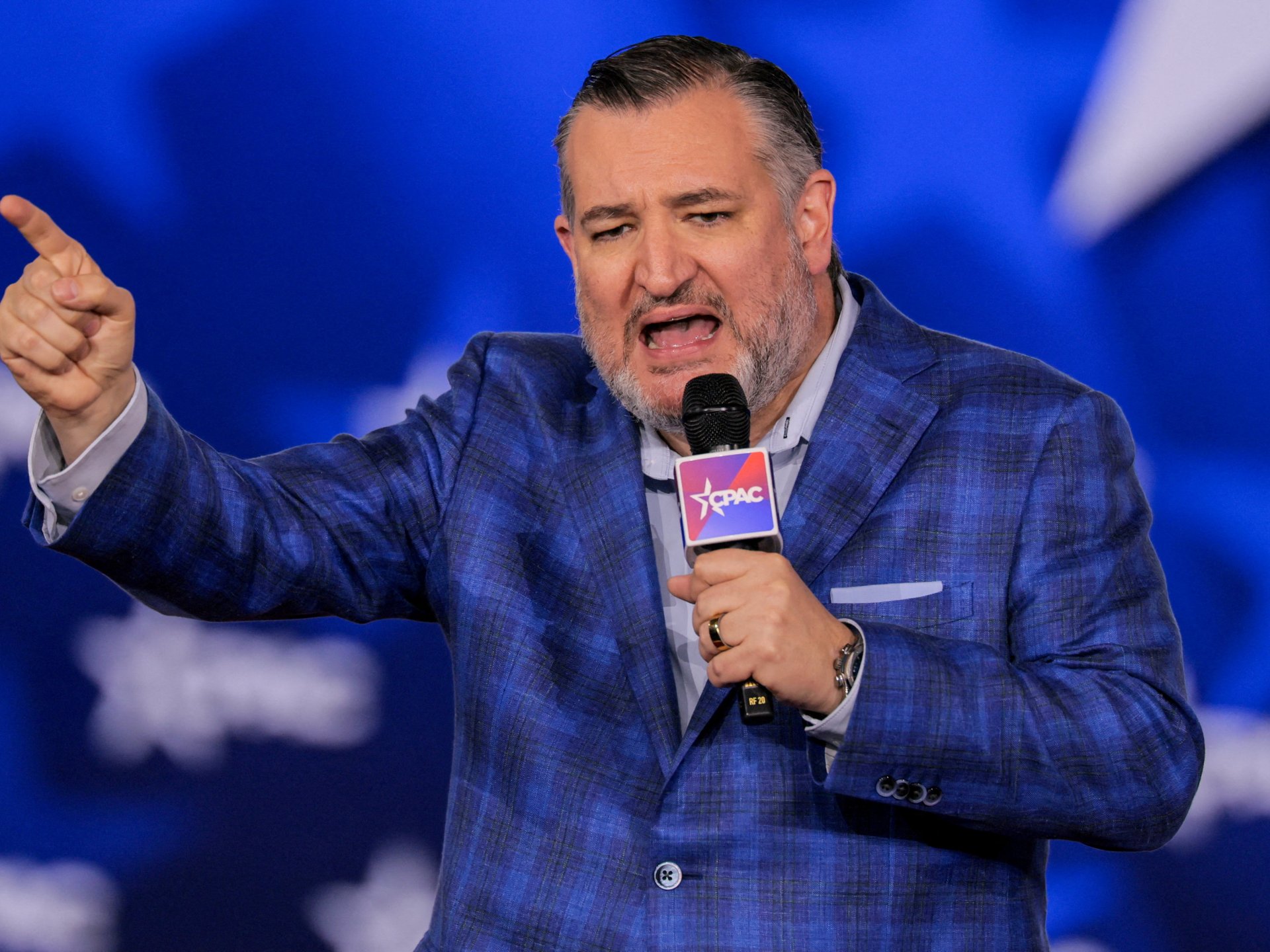
Senator Ted Cruz told The Hill that the agreement was “ill-advised” and said Trump was receiving poor advice. Fox News commentator Mark Levin called the memorandum a “capitulation to Iran and Hezbollah” and argued on X that Iran’s ballistic missiles should remain a central issue.
The Foundation for Defense of Democracies opposed the memorandum in a New York Post column, saying it gives Iran financial relief after US-Israeli strikes. AIPAC said in a statement that the agreement raises significant questions, including over sanctions relief and the absence of missile restrictions, while also praising Trump for ordering attacks on Iran.
Duss told Al Jazeera that pro-Israel hawks remain powerful in Washington despite limited public support for continuing the war. Costello said opponents may try to weaken the agreement over time, comparing the effort to the campaign against the 2015 nuclear deal, which Trump abandoned in 2018.
This story draws on original reporting from Al Jazeera.