
U.S. opens Iranian ports under temporary ceasefire terms
Central Command said ships may resume access as U.S. and Iranian negotiators begin a 60-day push to settle sanctions, shipping and nuclear issues.
By Daniel Okafor · Business Editor
3 min read
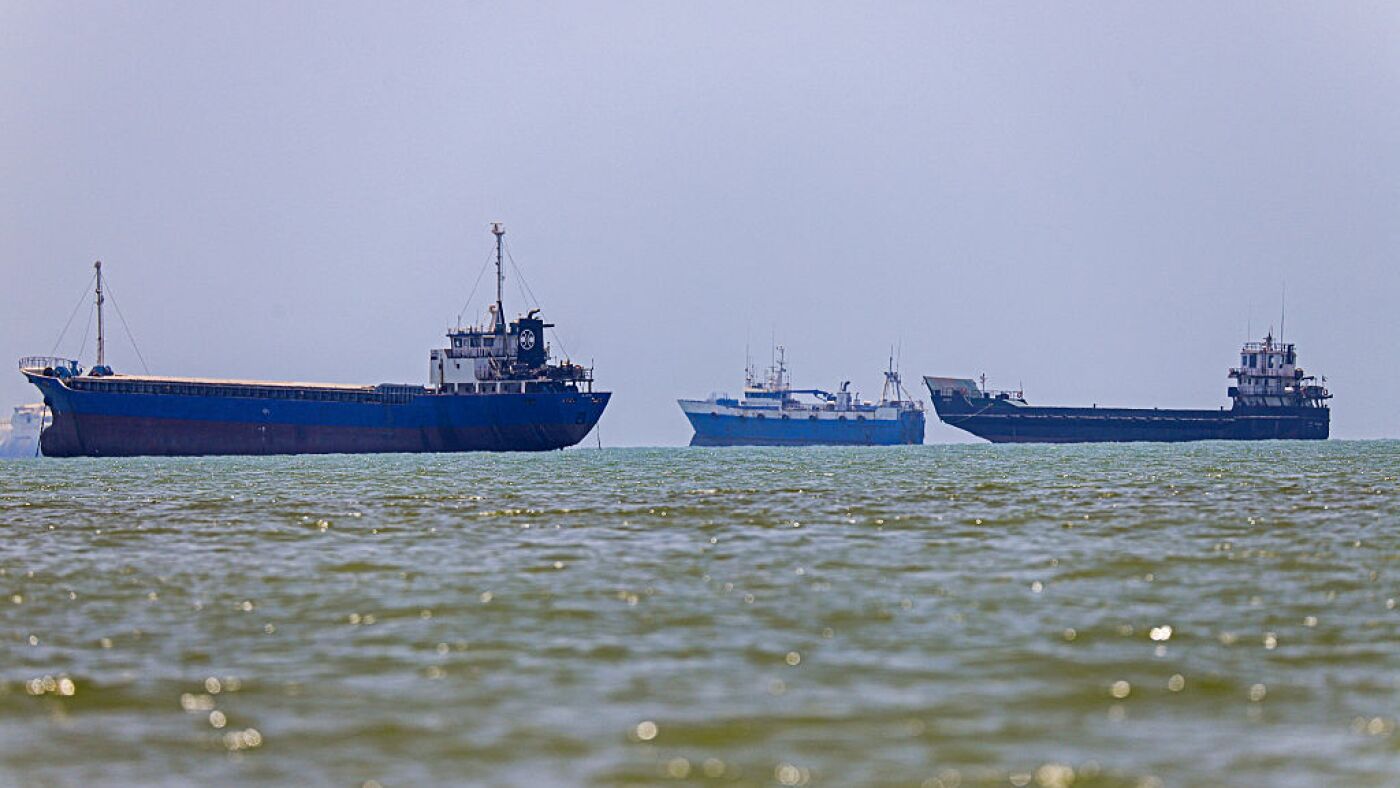
U.S. forces have ended a blockade affecting vessels entering and leaving Iranian ports and coastal waters, U.S. Central Command said Thursday, carrying out one of the first steps in a new ceasefire arrangement with Iran. The move affects energy markets and Persian Gulf shipping because talks now move into a 60-day period meant to resolve major disputes left open by the preliminary deal.
NPR reported that the blockade relief is a condition in an agreement signed Wednesday between the United States and Iran. Under that agreement, Iran has pledged to allow oil tankers to pass safely through the Strait of Hormuz, a key route for roughly 20% of the world’s oil before the war began, according to NPR.
The text of the agreement says Iran will let commercial ships use the strait “with no charge for 60 days only,” NPR reported. After that, the document leaves “future administration and maritime services” to be decided by Iran with Oman and other Persian Gulf states, according to NPR. Iranian officials have suggested charging service fees, but industry analysts described that idea as legally questionable for an international waterway, NPR reported.
Shipping may not return quickly. NPR reported that significant traffic through the Strait of Hormuz remains uncertain because of concerns over mines laid by Iran, which the United States and other countries are working to clear.
NPR reported that Iranian oil exports are also set to move through the strait now that U.S. sanctions on those exports have been lifted under the agreement. Central Command said the U.S. Navy is staying in the area to help ensure the ceasefire terms are followed.
Vice President Vance is leading the U.S. side of the negotiations and is expected to travel to Switzerland as soon as this weekend, although he did not announce a date, NPR reported. Speaking at the White House on Thursday, Vance defended the memorandum of understanding and said the United States holds “all the cards” for now.
Vance said Iran will not gain significant benefits until it can “verify for us that they are changing their behavior,” according to NPR. He argued that allowing Iranian oil to move again was not a new concession, saying Iran had sold oil for years before the blockade and that Washington lifted it to support the free flow of energy around the world.
The preliminary document, described by NPR as a 14-point memo, sketches an agreement but leaves several major matters unresolved. NPR reported that the memo says the ceasefire also applies to Lebanon, a provision that would require cooperation from Israel, which is not a party to the deal.
The memo also calls for creation of a $300 billion fund for Iran’s reconstruction and economic development in coordination with regional partners, with details to be worked out during the 60-day period, according to NPR. Negotiators are also expected to address how sanctions relief will work and what will happen to Iran’s stockpiled enriched material, NPR reported.
This story draws on original reporting from NPR.