
Iran marks Israel war anniversary as US deal talks near finish
Tehran is honoring commanders and scientists killed in 2025 while officials signal a possible interim deal with Washington within days.
By Lucas Ferreira · Science & Environment Writer
4 min read
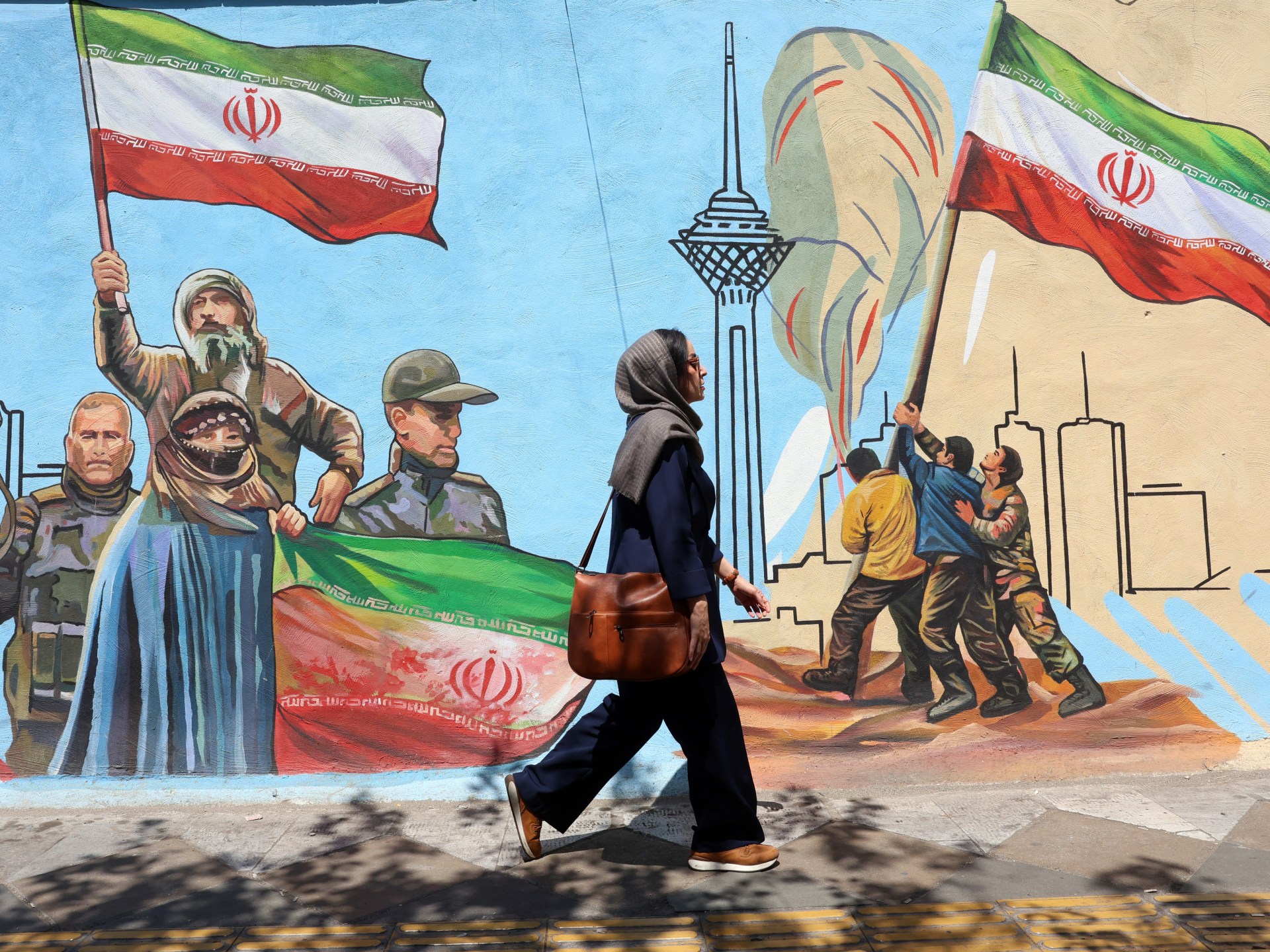
Iran is marking the anniversary of last June’s 12-day war with Israel while Tehran and Washington say talks to turn a fragile ceasefire into a broader agreement are nearing a conclusion. The timing has sharpened debate inside Iran over whether diplomacy can end the latest conflict without giving up too much.
Al Jazeera reported that Iranian and US officials have signalled they are close to a deal that would move a rocky 60-day ceasefire toward a peace and cooperation agreement. Iranian officials and media have also raised concern that Israel could try to disrupt the talks, according to Al Jazeera.
Across Iranian cities, state-backed commemorations are being held for senior military figures killed between June 13 and June 24, 2025. Those killed included Mohammad Bagheri, the armed forces chief of staff; Hossein Salami, commander-in-chief of the Islamic Revolutionary Guard Corps; and Ali Akbar Hajizadeh, the IRGC’s longtime aerospace chief, Al Jazeera reported.
State messages and banners have presented the commanders through religious imagery tied to Husayn ibn Ali, the grandson of the Prophet Muhammad, whose death is central to Shia ideas of martyrdom and resistance, according to Al Jazeera. Universities are also expected to host state-run ceremonies for nuclear scientists and physicists killed during the war, including Mohammad Mehdi Tehranchi.
Iranian government figures cited by Al Jazeera say more than 1,000 Iranians died in the US-Israeli 12-day bombing campaign, including several hundred civilians and dozens of children. The same figures say at least 3,468 people have been killed in Iran’s current war with the US and Israel, nearly half of them civilians.
Supreme Leader Ayatollah Ali Khamenei was killed on February 28, the first day of the latest war, according to Al Jazeera. Iranian authorities announced Saturday that he will be buried at a Shia shrine in Mashhad after six days of proceedings in the second week of July.
Foreign Minister Abbas Araghchi told Iranian state television Friday that Tehran had resisted US demands after the 12-day war, including a demand for zero nuclear enrichment on Iranian soil. “The negotiations did not lead to war, resistance led to war. Our enemies had demands that they tried to reach during negotiations, we resisted, they turned to war,” Araghchi said.
Iranian officials have described the past year’s conflicts as proof of the state’s endurance. Al Jazeera reported that Tehran believes it is in a stronger position after surviving two wars against the US and Israel and after effectively taking control of the Strait of Hormuz, a route that carried about one-fifth of the world’s oil before the war.
Chief Justice Gholam-Hossein Mohseni-Ejei said US leaders had failed to understand the ideology and endurance of Iran’s theological establishment, according to Al Jazeera. With the Islamic month of Muharram beginning June 16, he called it the “month of the victory of blood over the sword” and said Iranian forces were ready to keep fighting the US.
IRGC Brigadier General Ali Fadavi told state television Thursday that Iran’s military operation against Israel last year had weakened the enemy’s image of power. Ali Abdollahi, commander of the IRGC’s Khatam al-Anbiya Central Headquarters, said in a Saturday statement that the world would soon hear of Iran’s victory over the “aggressor and terrorist enemy.”
Pakistan’s Prime Minister Shebaz Sharif said Saturday that an interim agreement with US President Donald Trump could be finalised within 24 hours, while Iran’s Foreign Ministry spokesperson said a US-Iran memorandum of understanding could come in the coming days, Al Jazeera reported.
Hardline critics in Iran have objected to reported terms of the agreement, though no final text has been confirmed. Al Jazeera reported that disputes include frozen Iranian funds abroad, the Strait of Hormuz and the future of Iran’s nuclear programme.
Mahmoud Nabavian, a senior cleric and member of parliament from the ultra-hardline Paydari faction, warned Saturday that Iran appeared ready to make deeper concessions than in earlier talks. The IRGC-linked Javan newspaper, however, argued Saturday that even talks with low odds could cost Iran less than refusing to try.
This story draws on original reporting from Al Jazeera.