
Iran markets rise as US deal talks face hardline resistance
Iran’s rial, gold market and stocks moved on hopes of an interim US deal as Qatari mediators worked in Tehran and hardliners pushed back.
By Sofia Marchetti · World Affairs Correspondent
3 min read
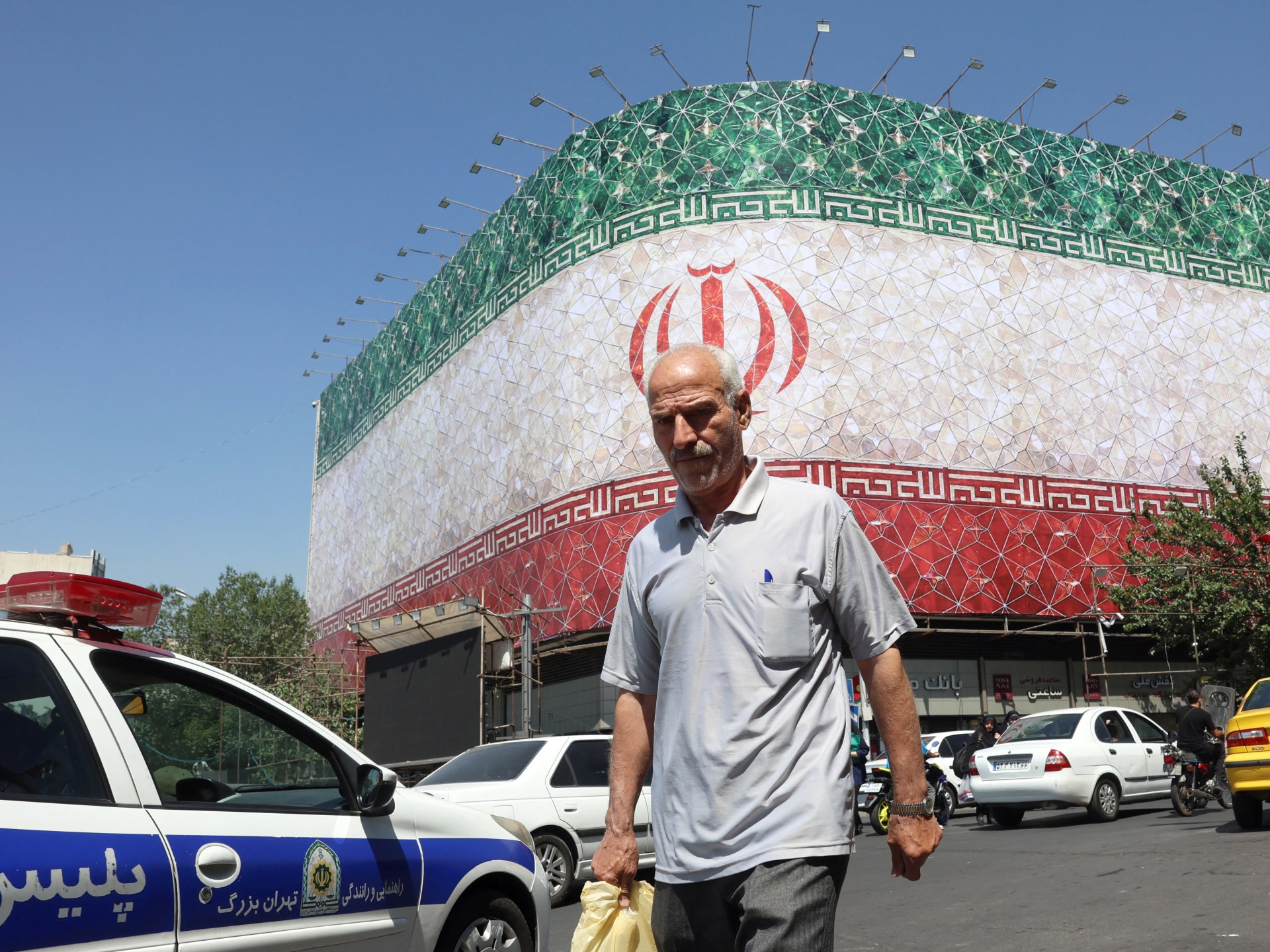
Iranian markets moved higher on Sunday as Tehran and Washington appeared close to an interim agreement that could ease pressure after more than 100 days of conflict and tension, Al Jazeera reported. The possible deal also drew sharp resistance from Iranian hardliners and fresh strain from Israel.
Qatari mediators arrived in Tehran on Sunday to advance the talks, according to Al Jazeera. US President Donald Trump had said an agreement would be signed that day, while Iranian officials said an interim understanding had come closer than at any previous point.
The rial strengthened in Tehran’s open market, with one US dollar trading below 1.68 million rials by midday, Al Jazeera reported. The currency remained above last month’s record low of 1.9 million rials to the dollar after years of losses tied to chronic inflation.
Gold prices also fell inside Iran despite international markets being shut for the weekend. Al Jazeera reported that an Emami gold coin traded around 1.71 billion rials, or about $1,010, down roughly 5 percent from Saturday’s market opening.
The Tehran Stock Exchange continued to climb after a controlled reopening three weeks ago that followed a three-month closure, according to Al Jazeera. Its main index rose 123,000 points on Sunday to nearly 4.82 million, a record high.
Some Iranians remained cautious about what a deal could change. A young resident of central Tehran told Al Jazeera that his family had been buying dollars and euros in recent months when they could, and said prices for food and other goods would not fall meaningfully just because the dollar weakened.
Hardliners challenge the talks
Opposition from pro-establishment hardliners intensified as the talks advanced. Al Jazeera reported that speeches, banners and chants against the emerging deal appeared in Tehran, Qom and Mashhad, with some slogans aimed at parliament speaker Mohammad Bagher Ghalibaf, who is leading the talks, and Foreign Minister Abbas Araghchi.
Fars, a news outlet affiliated with the Islamic Revolutionary Guard Corps, said Iranian officials were unlikely to sign on Sunday because it was Trump’s birthday, Al Jazeera reported. Mohammad Mannan Raisi, an anti-deal member of parliament from Qom, told supporters on Saturday night that officials should not sign on the birthday of the man he called the killer of Iran’s former supreme leader.
Ayatollah Ali Khamenei, the former supreme leader, was killed on February 28, the first day of joint US-Israeli air attacks, according to Al Jazeera. Iran’s current supreme leader is Mojtaba Khamenei.
Mahmoud Nabavian, an ultra-hardline scholar and Tehran lawmaker, remained one of the most visible opponents of an agreement. Al Jazeera reported that he appeared on state television Saturday night holding what he said was the latest draft and argued it would surrender political and military gains made during months of war with the US and Israel.
The dispute has reopened questions about authority inside Iran, where major decisions require approval from the supreme leader and the Supreme National Security Council, Al Jazeera reported. Some hardline supporters said online and at nightly gatherings that they would oppose the agreement even if Khamenei approved it.
Hassan Khomeini, grandson of the Islamic Republic’s founder, Ayatollah Ruhollah Khomeini, urged pro-state voices on Sunday to accept the final decision once leaders make it, according to Al Jazeera.
Israel remains a factor
Israel continued to play an adversarial role as the US-Iran talks neared a possible breakthrough. Al Jazeera reported that Israeli Prime Minister Benjamin Netanyahu ordered attacks on Beirut’s southern suburbs on Sunday afternoon, describing the move as an apparent effort to prompt an Iranian response that could threaten the deal.
Earlier this month, Iranian officials praised a new “strategic doctrine” after direct missile strikes on Israel, according to Al Jazeera. Those strikes followed Israeli attacks on Dahiyeh, the southern Beirut area associated with Hezbollah.
This story draws on original reporting from Al Jazeera.