
Iran judiciary reports new executions as it warns of infiltrators
Officials linked the cases to recent unrest and wartime security threats, while activists alleged torture and denial of due process.
By James Whitfield · Staff Writer
3 min read
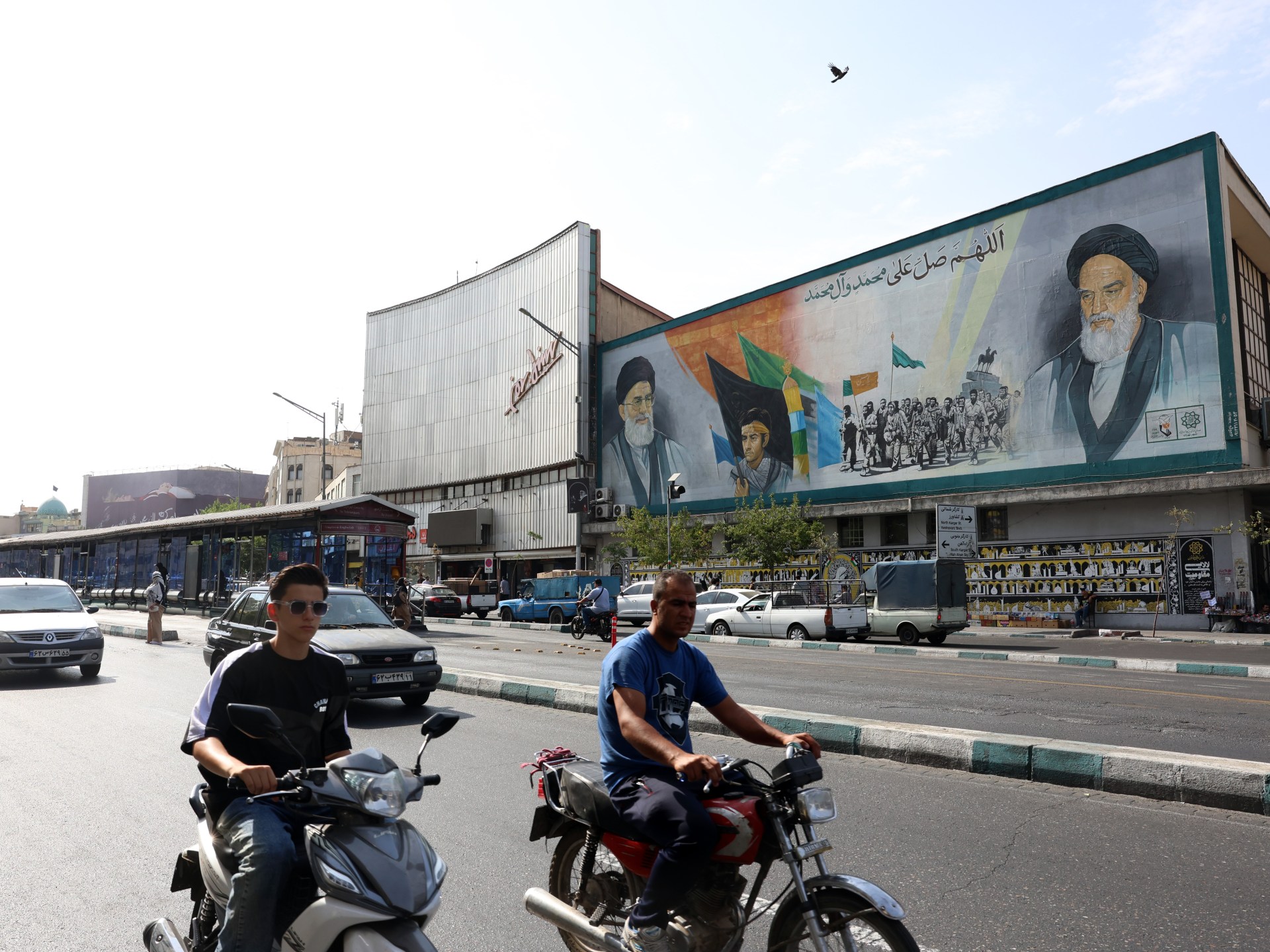
Iran’s judiciary has reported several executions tied to recent unrest while senior officials warn against people they accuse of sowing division during the war with the United States. The announcements signal a widening security crackdown after protests, mass arrests and new penalties for offences framed as cooperation with hostile powers.
The judiciary’s official news outlet said Wednesday that Mehdi Khanaki had been executed. It described him as an “active element of a terrorist group” who was detained during nationwide protests in January, according to Al Jazeera.
State television aired footage of security forces searching a house in Karaj, near Tehran, where authorities said they found handguns, ammunition and explosives. Al Jazeera reported that a revolutionary court in Karaj tried Khanaki on charges including “operational action” for Israel, the United States and hostile groups.
Two other men were executed Sunday in a case involving 16 defendants linked to deadly protests in Isfahan on January 8, according to Iranian authorities. Officials said the men were involved in the killing of several police officers; foreign-based activists disputed the official account and alleged torture and lack of due process, Al Jazeera reported.
The unrest began December 28 in central Tehran over economic grievances, then spread across the country and became broader demonstrations against the establishment. Iranian authorities call the unrest a US- and Israeli-backed “coup,” according to Al Jazeera.
Authorities say thousands were killed around the country, with most deaths occurring on the nights of January 8 and 9, Al Jazeera reported. Iran has rejected findings by Amnesty International and other international rights groups that security forces carried out “mass unlawful killings on an unprecedented scale” during a full internet and communications blackout.
Al Jazeera reported that tens of thousands of people have been arrested after the protests and after the US-Israeli war that began February 28. The Coordinating Council of Iranian Teachers’ Trade Associations, a nongovernmental body inside Iran, last week denounced what it called harsher prison terms and continuing pressure on teachers’ union activists.
Security cases are being pursued under a law passed after the 12-day war with Israel in June 2025, according to Al Jazeera. The measure increased punishment for “espionage” and other actions authorities consider cooperation with “enemies” or threats to national security.
The state has also confiscated the assets of hundreds of Iranians, including businesspeople and celebrities inside and outside the country, Al Jazeera reported. State television has continued to broadcast “confessions” from people arrested or executed on such charges.
In one broadcast Monday, a young man with his face blurred said he had posted Instagram stories opposing the Islamic Republic during the current war. Tehran police accused him of publishing “norm-breaking and anti-homeland content” intended to harm society’s “psychological security.”
On July 13, Iran’s Ministry of Intelligence published a list of “hostile media” covering dozens of networks, 61 individual “human-media” figures and 310 accounts or online pages, according to Al Jazeera. The ministry warned that sending photos, video or information to any listed outlet, person or account could bring imprisonment and a permanent ban from public employment, unless authorities bring a more serious charge.
Chief Justice Gholam-Hossein Mohseni-Ejei framed the crackdown in religious and security terms during a televised meeting Monday with President Masoud Pezeshkian and senior clerical judges. “We must not allow devils among humans and jinn to infiltrate the ranks of believers and our people to create division and schism,” he said.
Mohseni-Ejei said “alarmists, rumour-spreaders, hypocrites and infiltrators” would often pose as insiders to turn people against one another. Al Jazeera reported that the remarks followed a call by Supreme Leader Mojtaba Khamenei for “sacred unity” among the public and political factions.
Iranian officials have rejected US claims of divisions inside the leadership, including suggestions that some officials want to keep fighting while others want a negotiated end to the conflict. Washington has pointed in particular to disputes over the Strait of Hormuz, Al Jazeera reported.
This story draws on original reporting from Al Jazeera.