
Iran hardliners pressure Pezeshkian over interim US deal
Supreme Leader Mojtaba Khamenei’s reservations have intensified criticism of Iran’s US memorandum from hardline opponents.
By Daniel Okafor · Business Editor
3 min read
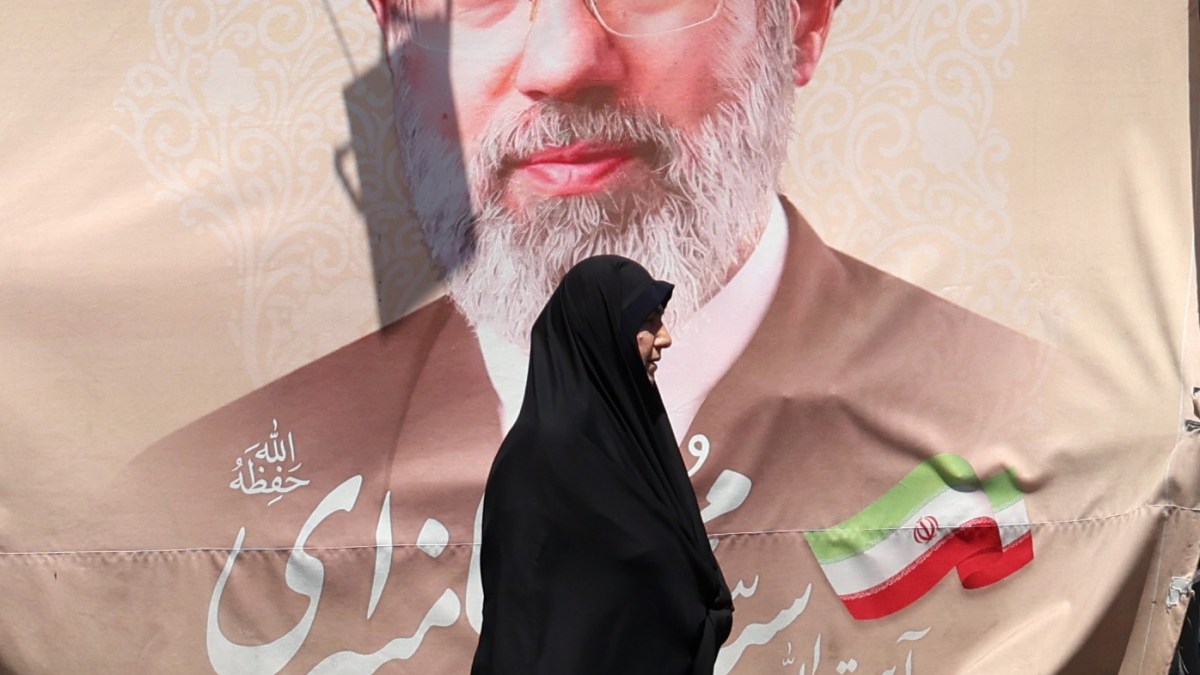
Iran’s interim agreement with the United States has opened a new fight inside Tehran’s political system, Al Jazeera reported. Supreme Leader Mojtaba Khamenei’s stated reservations have strengthened hardline opponents who say President Masoud Pezeshkian’s government could concede too much to Washington.
The memorandum of understanding was signed by Pezeshkian and US President Donald Trump after mediation by Pakistan, Qatar and others, according to Al Jazeera. The deal has also drawn opposition from political factions in Israel, which Al Jazeera said continue to support military action against Iran and its allied “axis of resistance”, including Hezbollah in Lebanon.
Khamenei permits deal but distances himself
Khamenei, who succeeded his father Ali Khamenei as supreme leader in March, has not appeared publicly since taking the post, Al Jazeera reported. A written statement attributed to him on Thursday said he had held a different position in principle on the agreement but allowed it after Pezeshkian accepted responsibility as head of the Supreme National Security Council.
The statement said Pezeshkian had promised not to accept excessive US demands. It also said planned face-to-face talks with Washington would not amount to accepting the enemy’s stance, according to Al Jazeera.
State-linked Iranian media said Khamenei required approval from at least three-quarters of the Supreme National Security Council, including military commanders, Al Jazeera reported. The details of that vote have not been confirmed, though nearly all members are believed to have supported the agreement.
Officials defend talks while warning Washington
The Supreme National Security Council said it would protect the rights of Iran and what it called the resistance front while continuing the talks, according to Al Jazeera. The council also said it would proceed with total distrust of the United States and had plans ready if Washington violated the agreement.
Pezeshkian presented the text as a historic document and said on X that Iran had not exchanged its dignity or independence for relief from threats or pressure. Parliamentary Speaker Mohammad Bagher Ghalibaf, who served as chief negotiator, thanked Khamenei for his message and said the memorandum was only the start of a difficult process, Al Jazeera reported.
Ghalibaf also sought a central role in postwar economic decisions, saying he wanted decision-making material prepared for him so he could act. Al Jazeera reported that his comments came as the war worsened Iran’s existing economic problems.
Hardliners push back
Khamenei supporters say Iran’s negotiators should keep pressing for control of the Strait of Hormuz and should leave the talks if that demand is not included, Al Jazeera reported. State-backed rallies held during the war have included criticism of Pezeshkian, Ghalibaf and Foreign Minister Abbas Araghchi, all viewed by hardliners as part of the more moderate camp.
At a rally in Shahr-e Ray near Tehran, state-backed lay religious eulogist Mohammad Ali Bakhshi threatened Pezeshkian if Khamenei’s conditions were not met, according to Al Jazeera. Mehdi Tabatabaei, a communications official in the president’s office, called for Bakhshi and others he described as suspicious elements to be prosecuted for deepening splits between political camps.
Some hardline lawmakers have urged the reopening of parliament, which Al Jazeera reported has largely remained closed since the war began, so it can potentially block any agreement deemed harmful to Iran. Mohammad Mannan Raisi, an ultraconservative member of parliament from Qom, wrote on X that the parliament should be opened.
In Mashhad, Ayatollah Ahmad Alamolhoda, the Friday prayers leader and Khamenei’s representative, said Iran’s fight with Washington was not over, according to Al Jazeera. Iranian newspapers on Saturday split along familiar lines, with conservative dailies stressing Khamenei’s conditions and the reformist Etemad calling the memorandum a victory document.
This story draws on original reporting from Al Jazeera.