
Iran economy blockade deepens as maritime war spreads beyond Hormuz
Iran’s oil exports, fuel supplies and China trade are under pressure as conflict disrupts Hormuz, the Red Sea and the Caspian Sea.
By James Whitfield · Staff Writer
4 min read
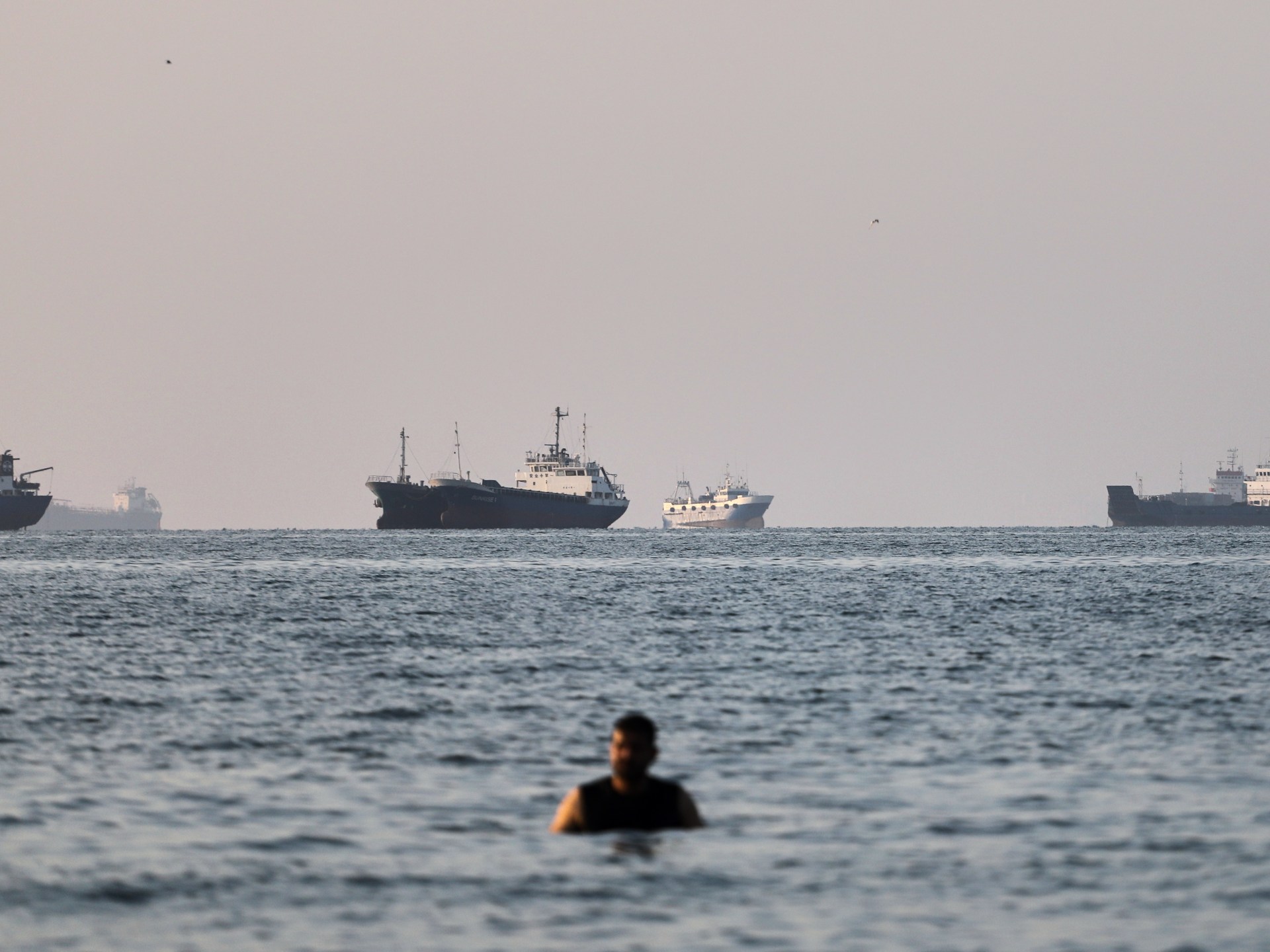
Iran economy blockade pressures are intensifying even as Tehran and Washington return to mediated talks and pause direct military action. Al Jazeera reported that shipping disruptions now extend beyond the Strait of Hormuz to the Red Sea and the Caspian Sea, adding strain to Iran’s oil revenue, domestic fuel supply and trade.
The US military has imposed a second naval blockade on Iran’s southern ports, while Iran has kept the Strait of Hormuz nearly shut. The tensions come as Iran faces damaged energy infrastructure, rolling power cuts and public anger over living costs.
How is the blockade affecting Iran's economy?
Iran depends on crude exports for state revenue, and restrictions on shipping can delay sales, trap oil in storage and raise the cost of restarting production. The blockade also threatens Kharg Island, which Al Jazeera reported handles about 90 percent of Iran’s crude exports, along with other storage and export facilities.
Iran’s Ministry of Petroleum said Saturday that the country had sold $11.5bn in crude during the war, without giving exact dates, and $6.5bn during the period covered by a now-suspended memorandum of understanding signed with the US in June. The ministry said the combined amount equaled 60 percent of the full-year oil revenue target in the budget.
The June 17 memorandum partly reopened Hormuz and lifted the US naval blockade, allowing Iran to move oil held on supertankers, according to the ministry. It also said higher prices added about $3bn in value in the first half of the year and that $11bn in proceeds had reached government accounts despite US embargoes.
US Central Command said that by Saturday its forces had redirected 12 commercial vessels that tried to run the blockade, disabled two others that did not comply and boarded two to enforce compliance. CENTCOM also released footage showing troops boarding the Charminar, an Iran-linked tanker under US sanctions since last year over alleged ties to the Shamkhani network.
Iranian authorities say they are also diverting ships to keep Hormuz closed. Iranian media reported Sunday that a vessel exploded after hitting a naval mine in the strait.
Fuel, power and trade strains grow inside Iran
Iran’s government said last month that US and Israeli bombing had knocked out about 230 million cubic metres a day of natural gas output from a pre-war level of roughly 650 million cubic metres a day. Sekhavat Asadi, managing director of the Pars Special Economic Energy Zone, said Sunday that more than 100 million cubic metres a day of lost capacity could be restored within months.
The country is also short more than 20 million litres of petrol a day, according to Al Jazeera. Authorities have relied on imports, fuel blending, inventories built before the war and public appeals to reduce use, while the Petroleum Ministry has said tighter monthly fuel caps could follow if the gap continues.
The government said this week it is seriously considering doubling the price of a third tier of monthly petrol quotas. Fuel price increases have carried political risk in Iran: Al Jazeera reported that a December increase preceded nationwide protests, and a November 2019 overnight rise also triggered deadly unrest.
Tehran and other cities are facing rolling electricity cuts that also disrupt water and communications. President Masoud Pezeshkian said he ordered industries to be spared cuts until late September to avoid further pressure on the jobs market.
Trade with China, Iran’s largest trading partner and oil buyer, has also weakened. Chinese customs data cited by Al Jazeera showed non-oil trade with Iran fell 75 percent in March and June compared with a year earlier.
Where else is the maritime conflict spreading?
The Houthis in Yemen, aligned with Iran, declared a blockade against Saudi Arabia last week after Iranian warnings that the war could disrupt Red Sea routes, Al Jazeera reported. They have turned back or hit vessels near Bab al-Mandeb and attacked Saudi oil facilities, while Saudi authorities have responded with major air attacks across Yemen.
In the Caspian Sea, Ukraine confirmed it struck a vessel that President Volodymyr Zelenskyy alleged was carrying Iran-linked military cargo. Iranian authorities said the ship was a commercial vessel bringing iron from Russia to northern Iran, and said one sailor was killed and three were wounded.
Iran’s Foreign Ministry summoned Kyiv’s charge d’affaires and warned that the attack would not go unanswered. The incident has raised concern that a route Iran uses for trade with Russia, Kazakhstan, Turkmenistan and Azerbaijan could face further military risk.
This story draws on original reporting from Al Jazeera.