
Iran ceasefire deal draws relief abroad and doubt in Tehran
A tentative US-Iran deal could reopen the Strait of Hormuz, but unresolved sanctions, nuclear and security disputes leave many Iranians wary.
By Lucas Ferreira · Science & Environment Writer
3 min read
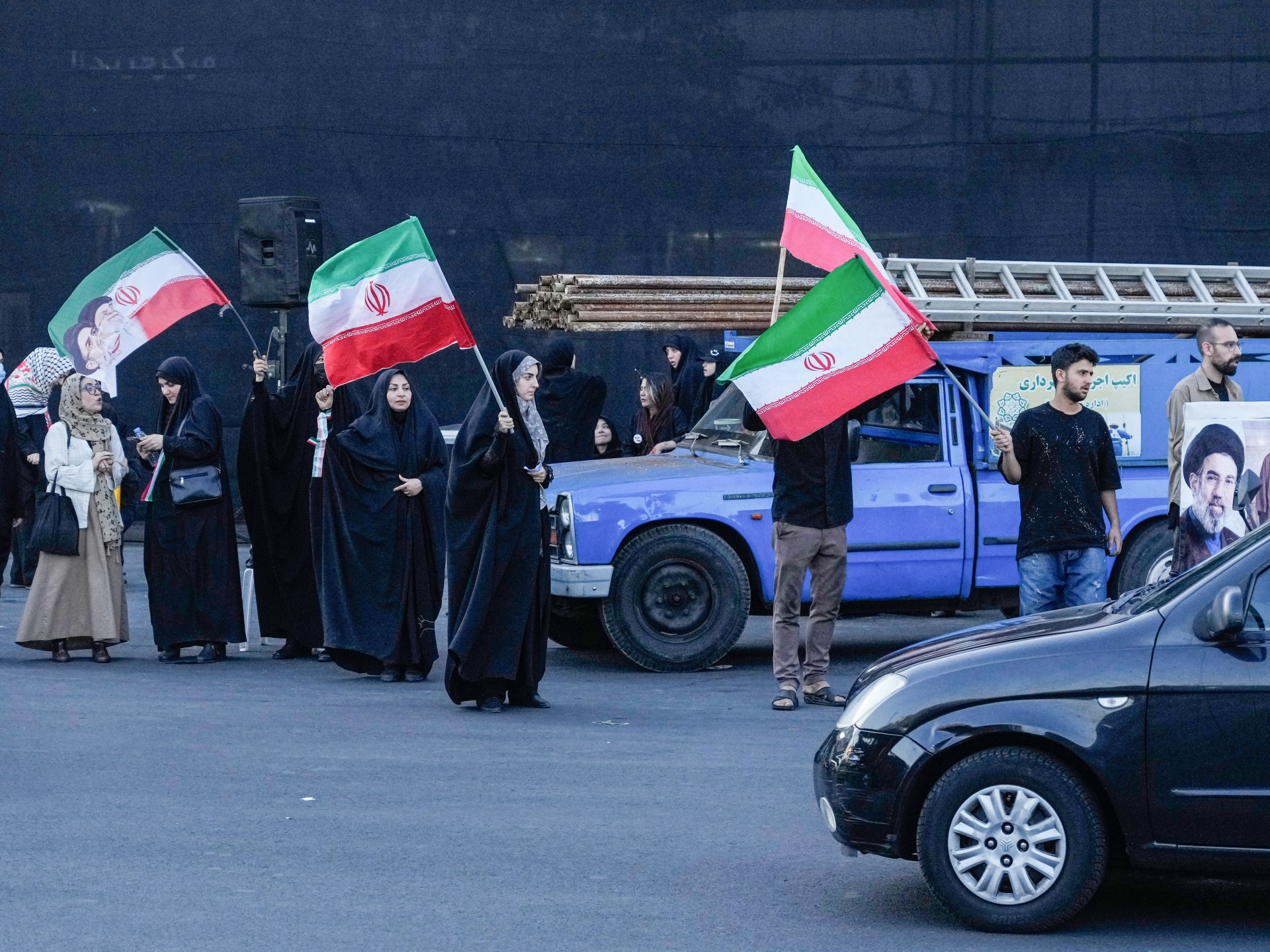
The United States and Iran have agreed to a memorandum of understanding aimed at ending nearly four months of fighting, Al Jazeera reported. The deal could reopen the Strait of Hormuz and ease a US naval blockade on Iranian ports, but many people in Tehran remain doubtful that it will produce lasting calm.
Al Jazeera reported that the agreement, announced on Sunday and expected to be signed on Friday, would reopen shipping through the Strait of Hormuz, which Iran has largely controlled since hostilities began on February 28. In exchange, the US would lift its blockade of Iran’s southern ports, a measure that has added pressure to an economy already strained by sanctions.
Major disputes remain outside the initial understanding, according to Al Jazeera. Those include Iran’s nuclear programme, US sanctions, frozen Iranian assets abroad and Tehran’s demand for payments from ships using the Strait of Hormuz, which Washington and many other governments say should remain toll-free.
Parisa, a Tehran university student who gave Al Jazeera only her first name for security reasons, said she did not expect the agreement to improve daily life much. She said the arrangement may survive briefly but could be undermined by either side’s interests.
Another Tehran resident, Mehdi, told Al Jazeera he was pessimistic because of the number of unresolved issues. He said he did not believe Washington would accept even limited Iranian demands.
Hardliners question concessions
Al Jazeera reported that Iranian hardliners have criticised the talks and are expected to challenge any terms they view as concessions to Washington. At nightly pro-state gatherings across Iran, some participants have complained that Tehran did not avenge the February 28 killing of Supreme Leader Ayatollah Ali Khamenei by the United States.
On Monday, authorities in Tehran’s Valiasr Square unveiled a large black mural of Khamenei, who is due to be buried in July, according to Al Jazeera. Khamenei had long urged distrust of the United States.
Mohadese, described by Al Jazeera as a pro-government woman, said she expected the US to breach the understanding. She argued that Iran should keep the Strait of Hormuz closed to preserve leverage gained during more than 100 days of conflict with the US and Israel.
The agreement also covers a halt to military operations on all fronts, including Lebanon, Al Jazeera reported. Tehran had insisted that Lebanon be included.
Israel’s bombing of Beirut suburbs on Sunday threatened to derail the process, according to Al Jazeera, which said the area had been treated by Tehran as a red line. Mohammad Bagher Zolghadr, secretary of Iran’s Supreme National Security Council, warned Sunday night that a response was near, but the council later confirmed the agreement with Washington and no retaliation took place.
Iranian media reported that US President Donald Trump agreed to lift the naval blockade immediately, rather than over 30 days as previously negotiated, in return for Iran stopping planned retaliation against Israel. The official text of the US-Iran agreement has not been released.
Israeli Prime Minister Benjamin Netanyahu faces criticism from opposition figures who see the agreement as a setback for Israel, Al Jazeera reported. Defence Minister Israel Katz said Israel would not withdraw occupying forces from Lebanon, Syria or Gaza and would respond forcefully if Iran attacked.
Markets rise on hopes of relief
Iranian markets have reacted positively to the possibility of reduced hostilities and improved imports, according to Al Jazeera. Iran’s currency strengthened Monday for a third day, trading at about 1.61 million rials to the dollar after falling to about 1.9 million last month.
Al Jazeera reported that gold coin prices in Tehran continued to decline, while the Tehran Stock Exchange index reached nearly five million points by Monday’s close. Any broader recovery, however, depends on sanctions relief, access to frozen assets and whether the ceasefire terms hold.
This story draws on original reporting from Al Jazeera.