
EU deadlocks on proposed sanctions against Ben-Gvir
Kaja Kallas said EU governments did not reach unanimity on restrictions targeting Israel’s national security minister over treatment of Gaza flotilla activists.
By Sofia Marchetti · World Affairs Correspondent
3 min read
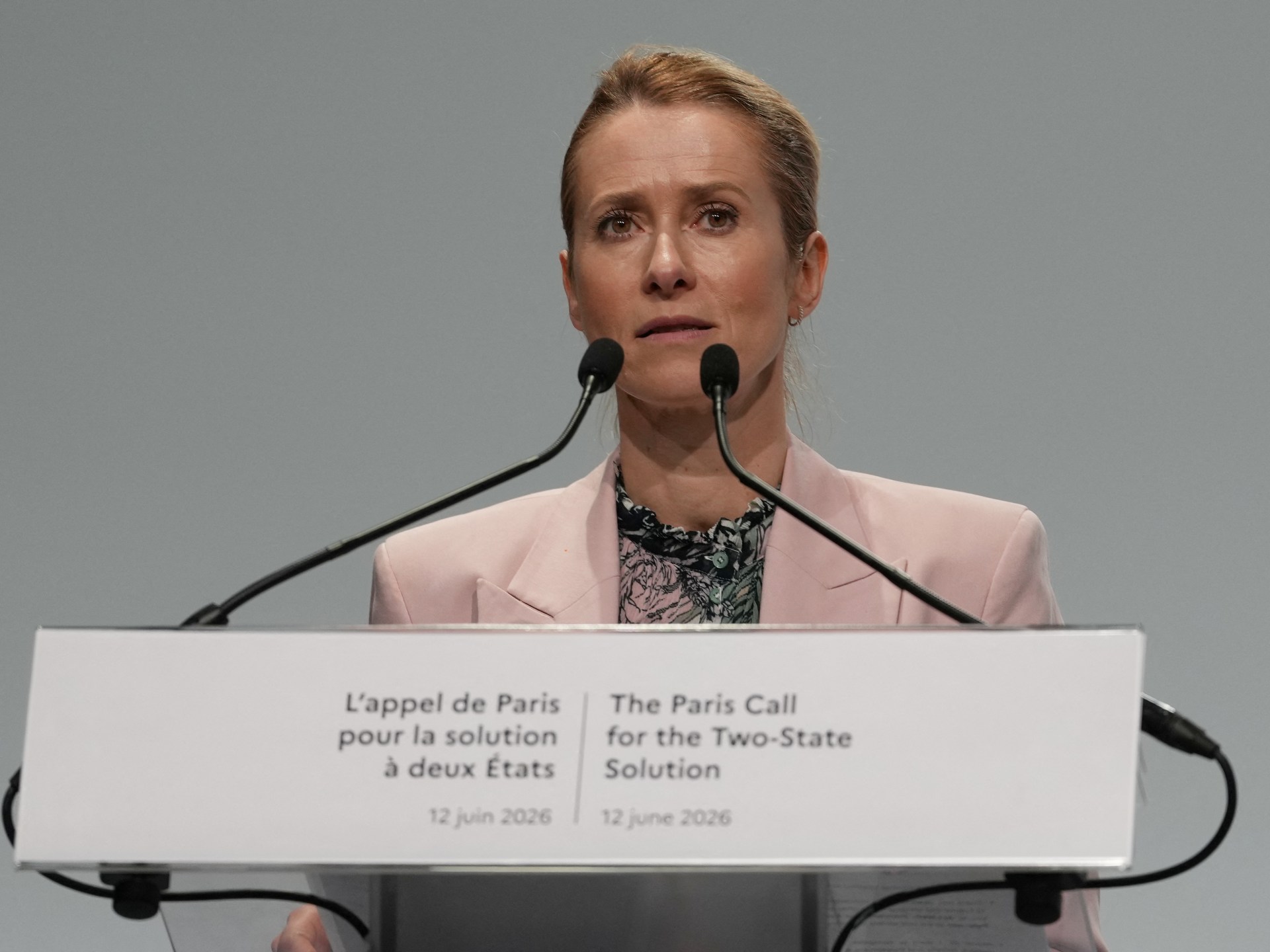
European Union governments failed to agree on sanctions against Israeli National Security Minister Itamar Ben-Gvir, EU foreign policy chief Kaja Kallas said Monday. The lack of unanimity keeps bloc-wide restrictions off the table for now, because EU sanctions need approval from all member states.
Kallas told reporters that many EU countries backed economic measures against Ben-Gvir, but that the proposal did not secure consensus, according to Al Jazeera. She did not identify the governments that blocked agreement.
Al Jazeera reported that Germany, Austria and the Czech Republic are understood to be among the countries opposed to the proposal. Ben-Gvir, a far-right member of Israel’s government, has drawn criticism from several individual EU states over his handling of activists from the Global Sumud Flotilla.
Israeli soldiers detained activists from the flotilla last month as they tried to reach Gaza, Al Jazeera reported. After the raid, a video circulated widely showing Ben-Gvir mocking activists who were kneeling on the floor with their hands bound behind their backs, according to Al Jazeera.
The episode prompted calls in several countries for action against Ben-Gvir. Al Jazeera reported that Italy, a longtime ally of Israel, was among the countries seeking restrictions on the minister.
Italian authorities have opened an investigation into allegations of kidnapping and torture involving Italian citizens who were among the detained activists, according to Al Jazeera. French prosecutors have also opened an investigation into allegations of war crimes and torture related to Israel’s treatment of the activists, Al Jazeera reported.
Trade measures also discussed
Kallas said many EU member states also asked the European Commission to prepare possible measures aimed at trade linked to Israeli settlements in the occupied West Bank. She said she would ask the commission to draw up options before the next Foreign Affairs Council, including steps intended to prevent imports of goods from settlements deemed illegal.
The discussion comes amid rising EU pressure on Israel, according to Al Jazeera. In April, Italy suspended a bilateral defence agreement with Israel, and last month the EU imposed economic restrictions for the first time on violent Israeli settlers accused of human rights abuses in the occupied West Bank.
Al Jazeera reported that the EU is Israel’s largest trading partner. The bloc accounted last year for more than 30 percent of Israel’s total goods trade with the world.
The failure to agree on measures against Ben-Gvir shows the limits of EU action when member states split over policy toward Israel. Kallas’s comments indicate that trade connected to West Bank settlements may now become the next focus of debate inside the bloc.
This story draws on original reporting from Al Jazeera.