
Blackouts strain Iran as war damage and heat hit power grid
Al Jazeera reports daily outages across Iran after strikes damaged power infrastructure and a heatwave exposed long-running grid weaknesses.
By James Whitfield · Staff Writer
3 min read
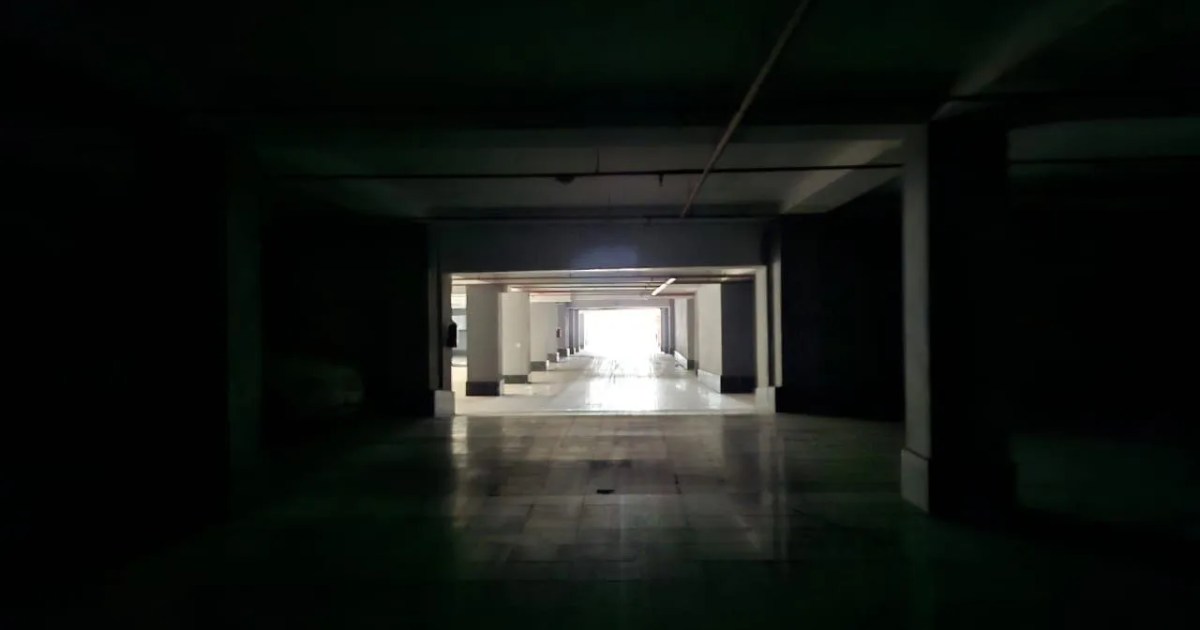
Rolling power cuts are disrupting daily life in Iran as a severe heatwave and wartime damage strain the national electricity system. Al Jazeera reports that the outages have hit schools, shops, roads and factories, despite official promises before the conflict that the summer would pass without electricity disruptions.
In Tehran, two Sharif University of Technology students told Al Jazeera that blackouts knocked university servers offline during final exams. According to the report, 38 tests were pushed to next month after electronic exam systems became unavailable.
Kamran, 22, said the uncertainty had upended students’ plans because they could prepare for exams that might be cancelled after another outage. Moein, 24, told Al Jazeera the danger was far greater for people who depend on ventilators at home or keep essential medicines refrigerated.
Grid damage compounds heat stress
President Masoud Pezeshkian and Energy Minister Abbas Aliabadi had pledged there would be no summer electricity interruptions shortly before the United States-Israel war on Iran began in February, according to Al Jazeera. Those assurances have since been overtaken by high temperatures and renewed US strikes in southern Iran.
Tehran City Council Chairman Mehdi Chamran linked sudden outages to damage from bombing, telling a journalist that the question would be different if the extent of recently bombed electrical facilities were known. Mohammad Allahdad, chief executive of the national electricity company, said grid capacity had fallen by 4,200 megawatts and more than 2,000 points in the network had been damaged, Al Jazeera reported.
Local media cited by Al Jazeera said US strikes hit a power plant on Kish Island and damaged distribution networks in Bandar Abbas, Jask and Chabahar. The report said heat-related technical failures have added to the pressure.
In Tehran, Al Jazeera described small businesses using portable generators to protect perishable goods, dark digital billboards and police officers directing traffic where signals had stopped working. Hospitals have mostly avoided the worst interruptions by using backup systems to keep intensive care units running, according to the report.
Industrial sites add to the shortfall
Bahman Arman, an economics professor at Tehran University and former adviser to the Ministry of Industry, Mine and Trade, told Al Jazeera that the outage problem persists even though some of Iran’s biggest industrial power users are offline. He said Mobarakeh Steel Company in Isfahan and Khouzestan Steel had effectively stopped drawing electricity after joint US-Israeli strikes during what Iran calls the Ramadan War.
Arman said Mobarakeh had used about 1,400 megawatts and Khouzestan about 600 megawatts, which should have freed 2,000 megawatts for the grid. But he said the Mahshahr petrochemical complex, previously a net contributor of power, was also bombed and now needs electricity from the grid.
Arman attributed the deeper problem to years of weak investment, energy losses, ageing transmission lines and too few new power plants. He told Al Jazeera the war added pressure to a system already vulnerable, while the heatwave made the shortage visible across the country.
He said the fastest remedy would be improving existing plants. Larger projects, including the proposed Bakhtiari Dam with potential capacity of 2,600 megawatts, would require $500m in foreign currency and as long as five years, according to Al Jazeera.
Factories face daily cuts
Hossein Selahvarzi, former head of the Iran Chamber of Commerce, Industries, Mines and Agriculture, told Al Jazeera that industrial zones are losing power for four to six hours a day. He said restrictions reduce output, raise costs, delay orders and stop exports.
Al Jazeera reported that the outages, war damage and recurring winter gas shortages are putting additional pressure on factory owners trying to recover from wartime losses. For households and businesses, the report shows a power crisis driven by both immediate damage and long-running weaknesses in Iran’s electricity system.
This story draws on original reporting from Al Jazeera.