
Inflation and war squeeze daily life across Iran
Iranians face soaring prices, rent pressure, blackouts and internet limits as war damage compounds sanctions and long-running economic strains.
By James Whitfield · Staff Writer
4 min read
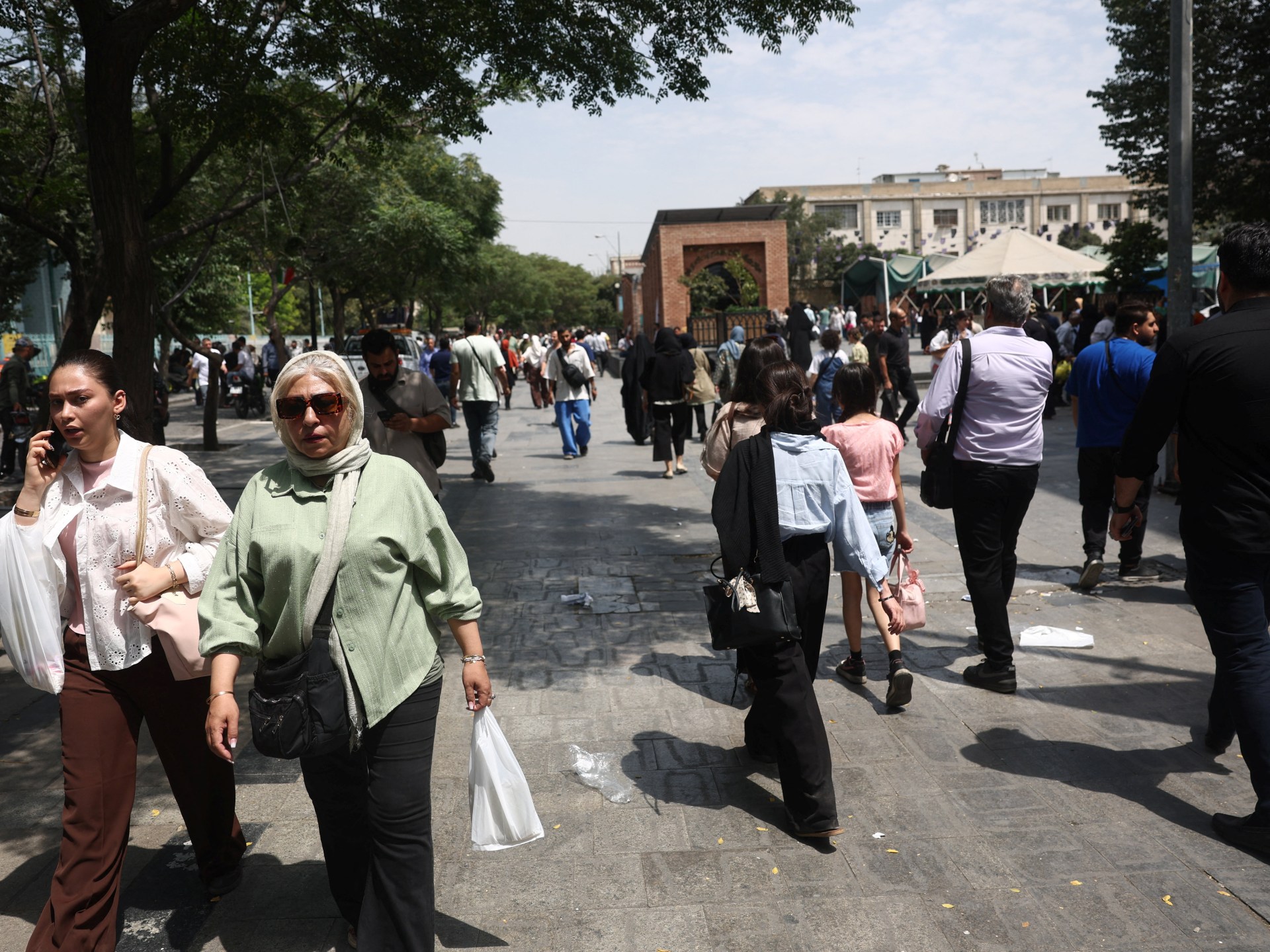
Iranians are paying sharply more for basics as war damage, sanctions and domestic economic problems hit household budgets. Al Jazeera reported that the pressure is showing up in food costs, rents, medicine, jobs, internet access, power supplies and banking services.
In Tehran, a pensioner identified as Leyla told Al Jazeera that supermarket visits now bring repeated price shocks. She said a tub of ice cream and yoghurt cost about 10 million rials, or just over $5, while her monthly pension was 180 million rials, about $94, after a 40 percent government increase this year.
“It doesn’t even begin to cover the essentials,” she told Al Jazeera.
Rents and food prices climb
Housing costs are also straining residents. Masoud, a young Tehran resident, told Al Jazeera that his landlord agreed after negotiations to raise rent by just under 50 percent this year. He said moving to a comparable flat nearby would cost more, while relocating farther south would bring moving expenses.
The Iranian government has set legal rent-increase caps of 27 percent in Tehran and 25 percent in other provinces, according to Al Jazeera. The broadcaster reported that those limits are often treated as a starting point for increases, while tenants who object face difficult dispute-resolution procedures.
Government help has offered limited relief. Al Jazeera reported that monthly cash subsidies and electronic food coupons amount to only a few dollars. Local media, citing users, have reported that some shops refuse the coupons because the government has not reimbursed them.
Inflation reached nearly 90 percent last month compared with a year earlier, while food inflation hit 134 percent, Al Jazeera reported. The rial also fell to a new record low this week and was trading Tuesday at more than 1.9 million to the US dollar.
The government nearly doubled controlled prices for all types of bread sold in Tehran last month, according to Al Jazeera. Local media have also reported that petrol prices could rise again after an increase last year.
War damage adds to older strains
Al Jazeera reported that Iran’s economy is under pressure from decades of structural problems, Western sanctions, local mismanagement and restrictions imposed by authorities. Those strains have been worsened by a war launched by the United States and Israel in February, after a 12-day conflict with Israel months earlier, according to the broadcaster.
Experts cited by Al Jazeera said business loans have been too slow or inadequate, while individuals and companies have received little relief on arrears despite banking disruptions tied to major cyberattacks last month. They also said unemployment insurance misses many informal and digital workers, even as new applications have surged this year.
The country is also recovering from deadly nationwide protests in January, Al Jazeera reported. During both the protest killings and the current war, authorities cut access to the global internet; the second shutdown lasted three months, which Al Jazeera described as the longest recorded in any country. Some access returned in late May, but service remains slow and heavily filtered, according to the report.
Al Jazeera reported that US and Israeli attacks have hit ports, airports, bridges, roads, energy sites, petrochemical plants, steel companies, power stations and water facilities. Damage is already estimated in the hundreds of billions of dollars, while heavy attacks and a naval blockade on southern ports continue, according to the broadcaster.
Iranian authorities have blamed some continuing electricity blackouts on bombing, Al Jazeera reported. In parts of the country where summer temperatures exceed 40 degrees Celsius, the outages have also caused water shortages when pumps stopped working.
Social spaces face closures
Even as residents try to keep daily routines, authorities this week temporarily shut many cafes and shops in central Tehran, Al Jazeera reported. The closures affected areas including Sanaei and Iranshahr streets, where thousands had gathered to socialise.
Cafe owners were given reasons including alleged failure to follow mandatory hijab rules and claims that businesses blocked pavements, according to Al Jazeera. A young man who saw one closure told the broadcaster that “any trace of vibrancy” was being cut off.
Authorities also erased the website and application for Football 360, the popular programme associated with football commentator Adel Ferdosipour, after it criticised Iran’s national team and head coach following a poor World Cup performance, Al Jazeera reported. Ferdosipour, in a version of the programme posted on social media, asked why authorities would not let people work in the country.
This story draws on original reporting from Al Jazeera.