
India reviews streaming ban on Punjab insurgency biopic
Satluj, a film about activist Jaswant Singh Khalra, was pulled from ZEE5 after years of censor-board objections.
By Daniel Okafor · Business Editor
3 min read
Indian authorities are examining whether to keep blocking Satluj, a biopic about a rights activist who documented disappearances and alleged police killings during Punjab’s insurgency years, Al Jazeera reported. The dispute has renewed attention on one of India’s bloodiest internal conflicts and on the state’s power over films dealing with politically sensitive history.
The film, written and directed by Honey Trehan, follows Jaswant Singh Khalra, a bank employee from Amritsar who began looking into the disappearance of a friend and the friend’s mother, according to Al Jazeera. His inquiry expanded into an investigation of municipal cremation records and allegations that police secretly cremated thousands of unidentified bodies during the government’s campaign against Sikh separatists.
Originally called Punjab 95, the 163-minute film was held up by India’s censor board for three years, Al Jazeera reported. The board required a title change and sought nearly 130 edits before approving a cinema release; the filmmakers declined to make those cuts and released the renamed film on ZEE5 on July 3.
ZEE5 removed the film 48 hours later on security grounds, according to Al Jazeera. In a statement cited by the outlet, the streaming service said Satluj would remain unavailable in India “until further notice” because of “current developments” and said it would pursue appropriate legal channels to restore access.
The case behind the film
Khalra alleged that police had secretly cremated nearly 25,000 people who had disappeared, without notifying families or following legal procedures, Al Jazeera reported. He was taken from outside his home on September 6, 1995, and is presumed to have been killed; his body was not found. He was 42.
After his death, his wife, Paramjit Khalra, pushed for an inquiry by India’s Central Bureau of Investigation, according to Al Jazeera. Five police officials are serving life sentences for Khalra’s killing.
Diljit Dosanjh, one of India’s best-known film actors, plays Khalra. Al Jazeera reported that the film is narrated by the actor portraying the police officer who led the CBI investigation.
Why Punjab’s past remains sensitive
The Khalistan movement sought a separate Sikh state in Punjab. Al Jazeera described the conflict of the 1980s and early 1990s as one of independent India’s bloodiest internal crises, involving bombings, targeted killings and assassinations by armed Sikh fighters, alongside a security crackdown that human rights groups say included torture, custodial deaths, enforced disappearances and secret cremations.
Indian troops stormed the Golden Temple in Amritsar in 1984 during Operation Blue Star, when separatist fighters occupied Sikhism’s holiest shrine, Al Jazeera reported. Hundreds were killed. Later that year, Prime Minister Indira Gandhi was assassinated by her Sikh bodyguards, and anti-Sikh violence followed in Punjab and New Delhi, killing thousands, according to the report.
Violence eased in the mid-1990s, but the Indian government continues to treat Khalistan-related activity as a national security issue, Al Jazeera reported. The government has not publicly given a detailed explanation for the film’s removal.
Screenings continue despite the block
The Press Trust of India reported that the government formed a committee to review whether the ban on ZEE5 should remain. Media reports citing unnamed sources said the committee upheld the ban and concluded that the film goes against India’s sovereignty.
After the takedown, Dosanjh told fans on Instagram that his worst fears about the film’s release had come true, Al Jazeera reported. He also said community screenings and online sharing meant the film could no longer be stopped.
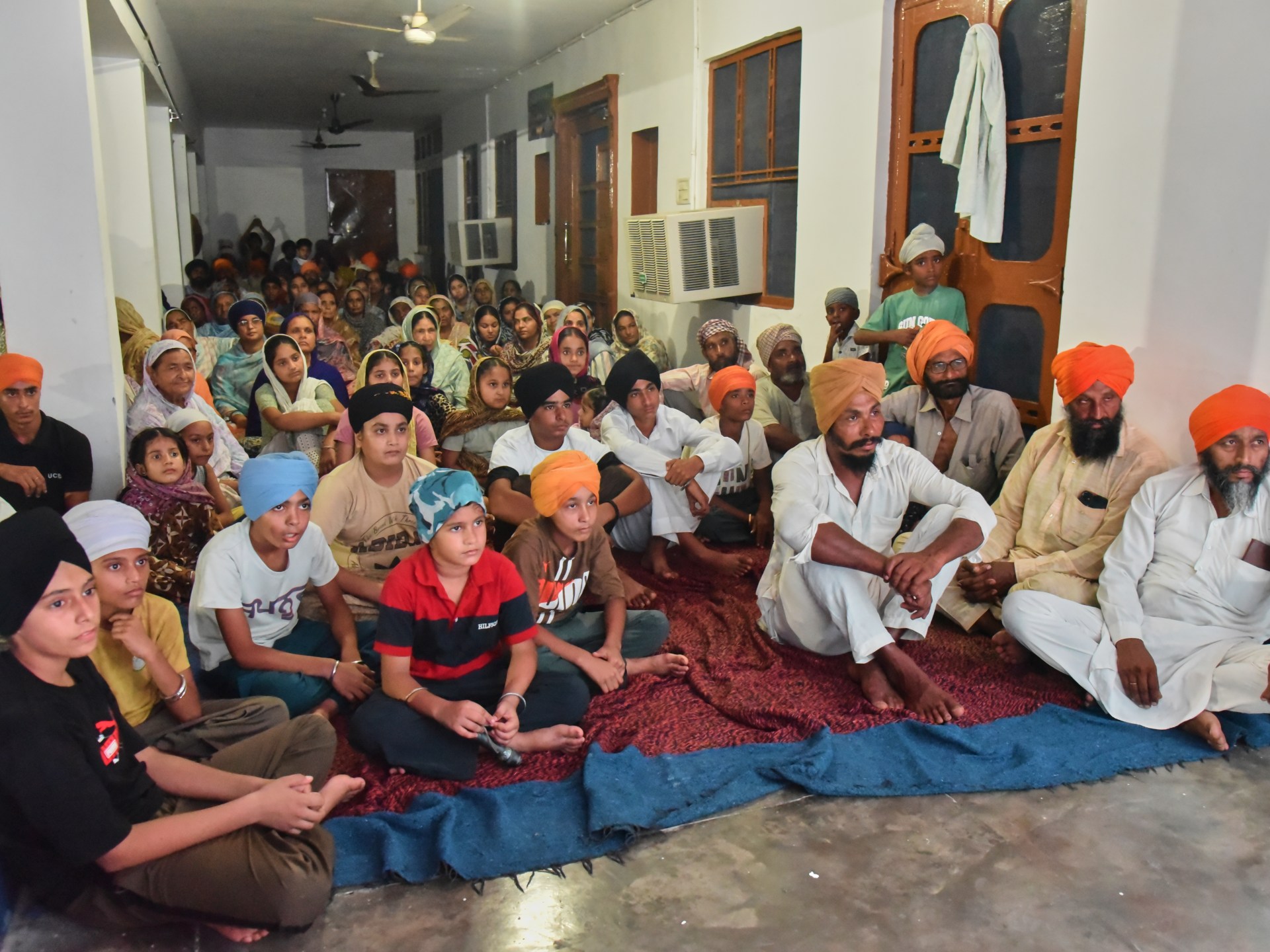
Across Punjab and elsewhere in India, Sikh groups and activists have arranged free screenings in gurdwaras and village halls, according to Al Jazeera. The outlet reported similar screenings among Sikh diaspora groups in London, New York and Toronto, while social media users have reposted copies of the film after takedowns.
This story draws on original reporting from Al Jazeera.