
India’s home-based workers press for rights 30 years after ILO pact
Home-based workers in India remain outside many labour protections despite a 1996 ILO convention calling for equal treatment.
By Sofia Marchetti · World Affairs Correspondent
3 min read
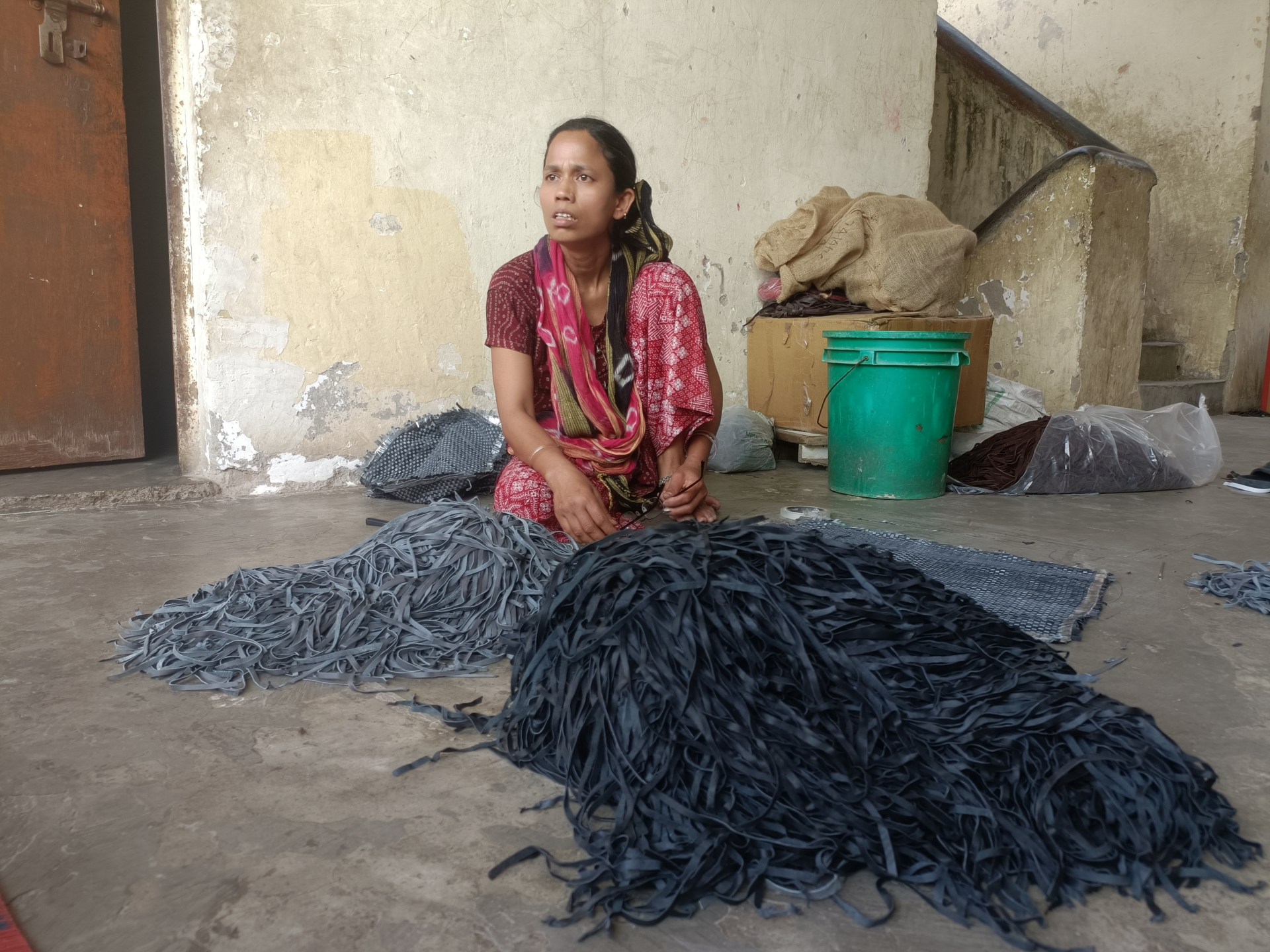
India’s home-based workers are pressing for recognition and equal labour protections three decades after the International Labour Organization adopted a convention meant to put them on the same footing as other wage earners. Al Jazeera reported that the gap remains acute in South Asia, where no country has ratified the ILO’s Home Work Convention despite the region’s large concentration of such workers.
The ILO adopted Convention 177 in Geneva on June 20, 1996, and it entered into force on April 22, 2000, according to Al Jazeera. The convention calls on member states to adopt policies that give home-based workers treatment equal to other wage workers, but only 13 countries have ratified it so far.
Women in Informal Employment: Globalising and Organising, a UK-based research organisation known as WIEGO, estimated in 2024 that nearly 260 million people worldwide work from or near their homes to produce goods or services. WIEGO also estimated that women make up about 57 percent of that workforce.
Low pay in garment supply chains
In New Delhi’s Kapashera area, a settlement of migrant workers near garment and leather manufacturing units, Al Jazeera reported that Shehnaz Bano stitches leather jacket sections from her one-room home. Bano, a 38-year-old mother of two teenage sons, told Al Jazeera she is paid 100 rupees, about $1, for each section she completes.
Al Jazeera reported that Bano previously rolled beedis in Uttar Pradesh’s Azamgarh district before moving to New Delhi after marriage. Her current work, done through intermediaries, brings irregular orders, long hours, low pay and physical strain, according to the report.
Al Jazeera reported that a jacket involving Bano’s work can sell abroad for $200 or more, more than twice her average monthly income. Contractors often divide garment work among several home-based workers to reduce costs, the outlet reported.
Other women in Kapashera described similar conditions to Al Jazeera. Sangeeta Devi, a migrant worker from Bihar, does buttoning, repairs and finishing work in an 8-by-8-foot room where her family of six also lives; she told the outlet she earns about $1 for every 100 garment pieces completed.
Putul Devi, who does similar work, told Al Jazeera she earns about $20 a month. She said high fuel costs have pushed her to cook with firewood, while rain leaves her worried about protecting both the fuel and the cloth pieces she has brought home.
Recognition still limited
Deepa Bharathi, a senior specialist on gender and non-discrimination at the ILO’s Decent Work Team in Bangkok, told Al Jazeera by email that Convention 177 helped establish home work as real work and home workers as workers with labour rights. She said progress in South Asia has been slowed by subcontracting chains, weak labour inspection, data gaps and the absence of home workers from policy frameworks.
Bharathi also told Al Jazeera that women’s home-based work is often treated as an extension of household duties, a factor she linked to broader gender inequality. She said priorities include visibility, fair pay, social protection, safe conditions, training, childcare and stronger collective organisation.
Shalini Sinha, a home-based work sector specialist at WIEGO, told Al Jazeera that home is still treated mainly as a living space rather than a workplace. She said India needs stronger statistics and a dedicated policy or law for home-based workers.
Elizabeth Khumallambam of Community for Social Change and Development, an NGO working with women home-based workers in Kapashera, told Al Jazeera that India’s 2020 social security code mentions these workers, but implementation remains unclear. The code consolidated nine social security laws and covers unorganised workers, according to Al Jazeera.
Al Jazeera reported that Communist Party of India parliamentarian Sandosh Kumar P introduced legislation in 2022 aimed at the welfare of home-based workers, but Parliament did not take it up for discussion. In December 2024, India’s labour ministry told Parliament that the 2020 code provides social security for unorganised workers, including home-based workers, and that the government had created a national database for such workers.
This story draws on original reporting from Al Jazeera.