
ILO and UNICEF estimate 138 million children remain in child labour
Agriculture accounts for most child labour worldwide, with sub-Saharan Africa carrying the largest regional burden, UN agencies say.
By Sofia Marchetti · World Affairs Correspondent
3 min read
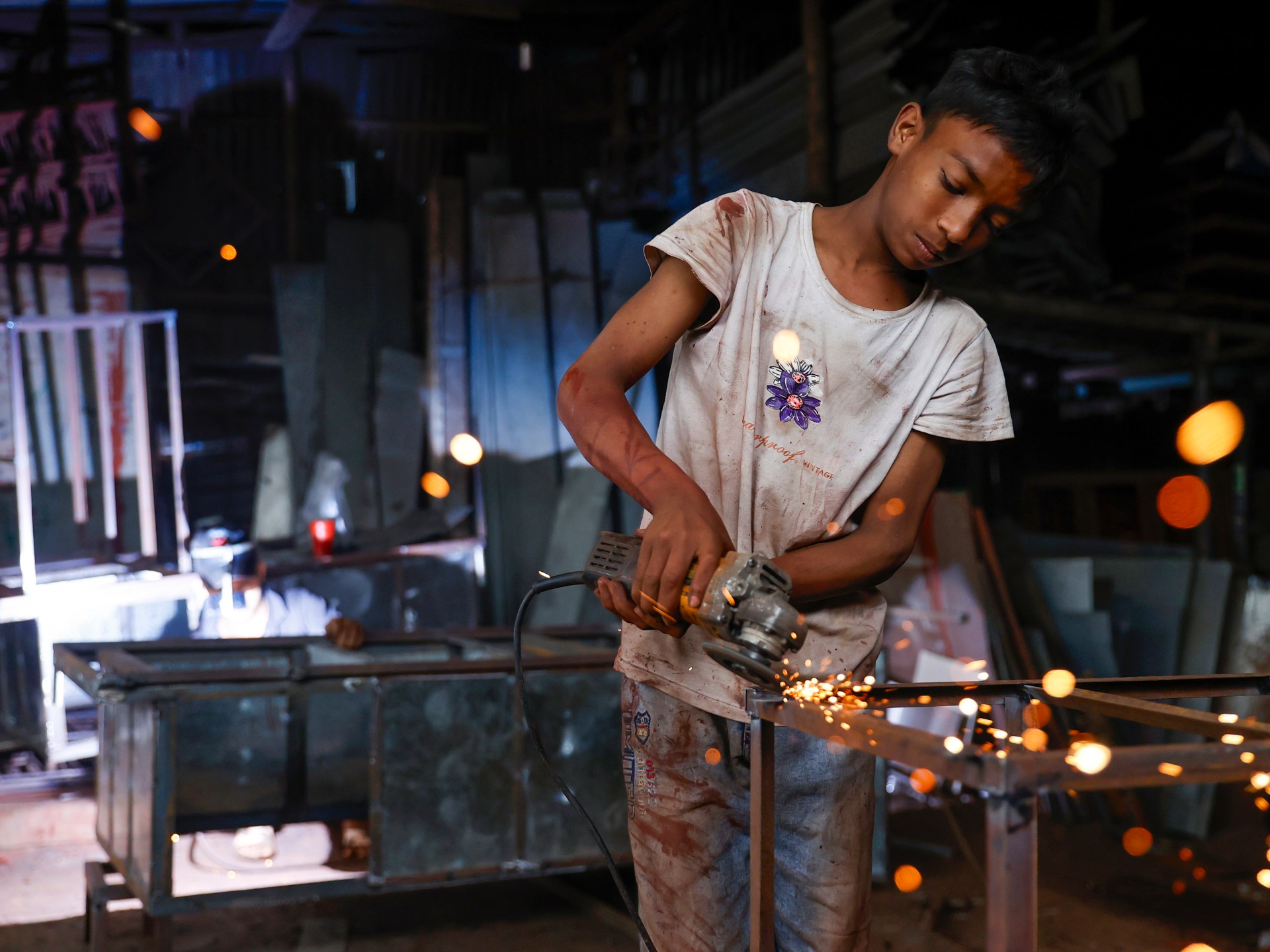
About 138 million children are in child labour worldwide, including 54 million in jobs that threaten their health and safety, according to estimates from the International Labour Organization and UNICEF. The figures show that roughly one in 17 children is working, despite a missed United Nations target to end child labour by 2025.
The estimates were highlighted around World Day Against Child Labour. The world has about 2.4 billion people under 18, and child labour remains concentrated in work that can keep children out of school and expose them to injury, illness and long-term harm, the ILO and UNICEF say.
Hazardous work remains widespread
The UN set a goal in 2015 to eliminate child labour by 2025. The total number of children in child labour has fallen, according to the ILO and UNICEF, but a large share of those still working are in hazardous jobs.
Of the 54 million children in dangerous work, 10.3 million are ages 5 to 11, 12.8 million are ages 12 to 14 and 30.8 million are ages 15 to 17, the agencies estimate. Hazardous labour can include heavy physical tasks, contact with toxic chemicals, unsafe machinery, long hours and dangerous work sites.
UNICEF and the ILO say those conditions can damage children’s physical and mental development. They also say many working children lose access to education, making it harder for families to break out of poverty.
Agriculture accounts for most cases
Agriculture is the largest sector for child labour, representing 61% of cases worldwide, according to the ILO and UNICEF figures. That equals about 84 million children working in farming, fishing, forestry and livestock production.
Children in agricultural work may carry heavy loads, use sharp tools, spray pesticides or work for long periods in high heat, according to the agencies. In rural areas, such work can begin early in the day and compete directly with school attendance.
The service sector accounts for 27% of child labour cases, including domestic work, retail and hospitality, the estimates show. Industry makes up 13%, including mining, manufacturing and construction.
Sub-Saharan Africa has the heaviest burden
Sub-Saharan Africa has 87 million children in child labour, more than the rest of the world combined, according to the ILO and UNICEF data. The agencies point to pressure from population growth, conflict and economic instability as factors that have slowed progress in the region.
In Ghana, more than 1.1 million children ages 5 to 17 are affected, Lucia Soleti, acting UNICEF deputy representative of programmes in the country, told Al Jazeera. She said most work in agriculture, with others in mining, fishing and domestic work, and linked the problem to poverty, weak access to services, climate shocks and economic strain.
Mona Aika, acting chief of child protection at UNICEF in Nigeria, told Al Jazeera that enforcement and training alone are not enough to reduce child labour. She cited poverty, poor access to quality education, weak social protection, family dependence on rural labour, conflict, displacement, climate shocks, informal work and limited enforcement capacity as barriers in sub-Saharan Africa.
Asia and the Pacific have posted the sharpest reductions, according to the ILO and UNICEF figures. Even so, the agencies say child labour remains tied to global supply chains for food, clothing, minerals and consumer goods.
This story draws on original reporting from Al Jazeera.