
Ifugao rice terraces face climate change threat after deadly landslide
Batad farmers are repairing UNESCO-listed terraces after Typhoon Fung-wong damaged fields, canals and livelihoods.
By James Whitfield · Staff Writer
3 min read
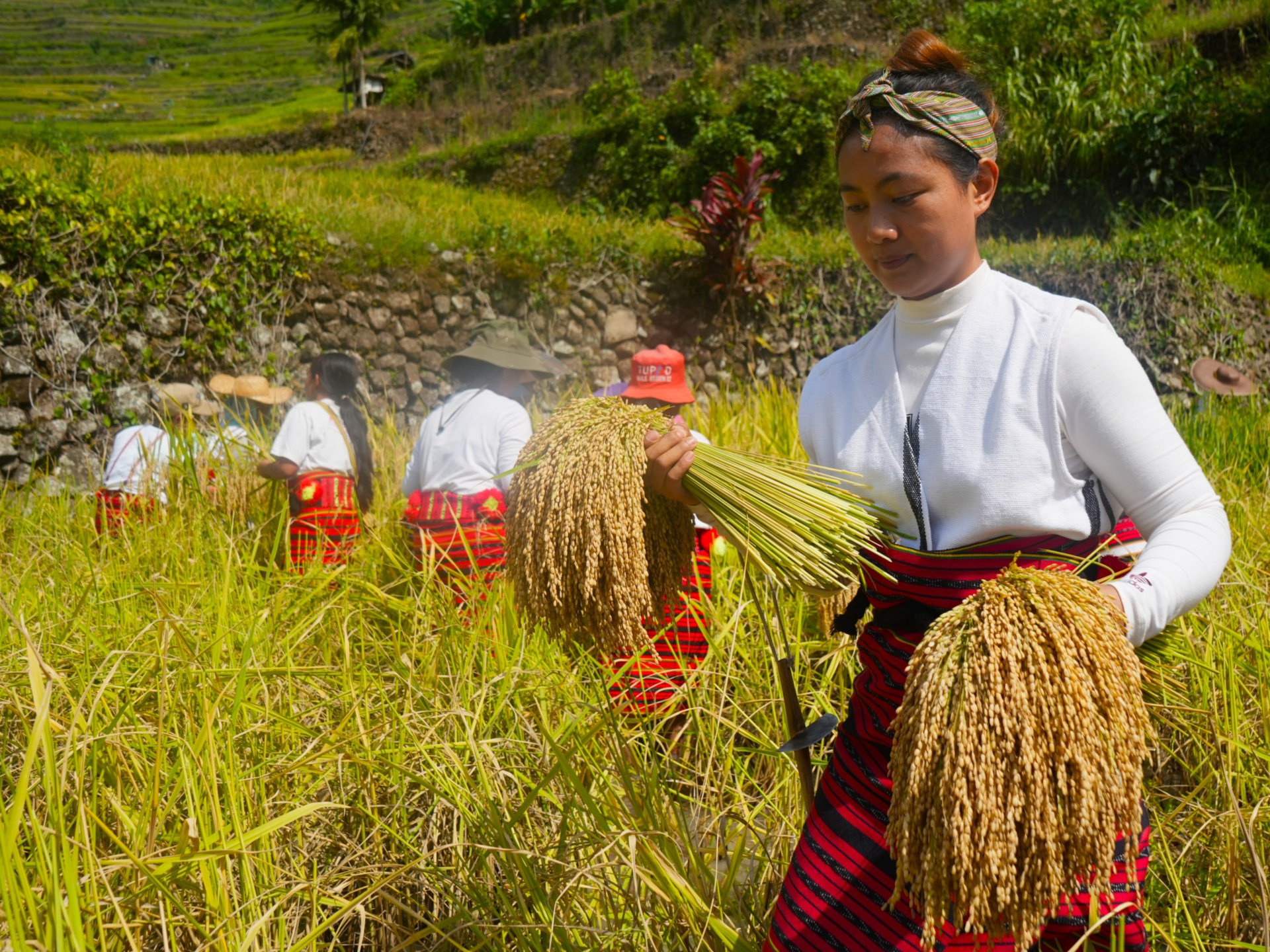
The Ifugao rice terraces climate change threat is becoming more visible in Batad, where a deadly landslide last year damaged part of a UNESCO World Heritage Site and left farmers waiting for major repairs. Al Jazeera reported that Super Typhoon Fung-wong triggered the November 2025 landslide, killing two local residents and destroying one of the old irrigation canals that feeds the rice paddies.
About 2.2 hectares, or 5.4 acres, of rice fields were damaged, affecting 150 farmers, according to the report. Batad, a highland village about 1,100 metres above sea level, is one of five terrace networks across four towns in Ifugao province that UNESCO inscribed in 1995.
How is climate change affecting the Ifugao rice terraces?
Marlon Martin, head of the Save the Ifugao Terraces Movement, told Al Jazeera that climate change is worsening conditions for the terraces. He said the soil must keep a steady level of moisture through the year to remain stable, but dry spells have opened deep cracks in the paddies.
When intense rain follows, water can rush into those cracks and speed up erosion or cause sections of soil to give way, Martin said. Batad has also been hit by landslides in 2011, 2023 and 2025, according to Al Jazeera, adding to concerns as a Super El Nino threatens hotter conditions and more extreme rainfall patterns.
An August 2025 study in the journal Nature found that 80 percent of UNESCO World Heritage Sites worldwide face climate-related stress. The study also said sites in low- and middle-income countries receive the least conservation support, while tropical monsoon areas face hazards such as record heat, longer droughts and sudden heavy rain.
What repairs are needed in Batad?
Steve Baccay, head of Ifugao’s Provincial Agriculture and Environment Office, told Al Jazeera that restoring the damaged area in Batad would require the equivalent of $500,000. Since the landslide, residents have held several rounds of voluntary communal work, known locally as bachang, to repair the broken irrigation canal.
The Philippine social welfare and labour departments have provided emergency food and cash assistance to affected farmers, Al Jazeera reported. Further national government aid is unlikely before the next fiscal year, according to the report.
Martin said Ifugao communities have long used Indigenous engineering knowledge to maintain the terraces, but stronger national support is needed as extreme weather becomes more frequent. Batad village chairman Romeo Heppog said government funding is needed to speed up repairs.
The damage has unfolded as residents continue annual harvest traditions tied to Tinawon, an heirloom organic rice grown once a year. Al Jazeera reported that elders led the Tanig pre-harvest ritual and the Bullogan chi Munbotoh procession before the harvest, practices that village leaders describe as part of Batad’s identity as well as its farming cycle.
For farmers such as village elder Apu Penneng, the terraces remain both livelihood and inheritance. He told Al Jazeera that the community would get through the damage, even as collapsed earth and broken stonework now mark sections of the centuries-old fields.
This story draws on original reporting from Al Jazeera.