
Legal scholars urge ICC scrutiny of sexual violence claims in Israeli detention
Triestino Mariniello and Mariagiulia Giuffré say alleged abuse of Palestinian detainees should be examined as possible international crimes.
By Lucas Ferreira · Science & Environment Writer
3 min read
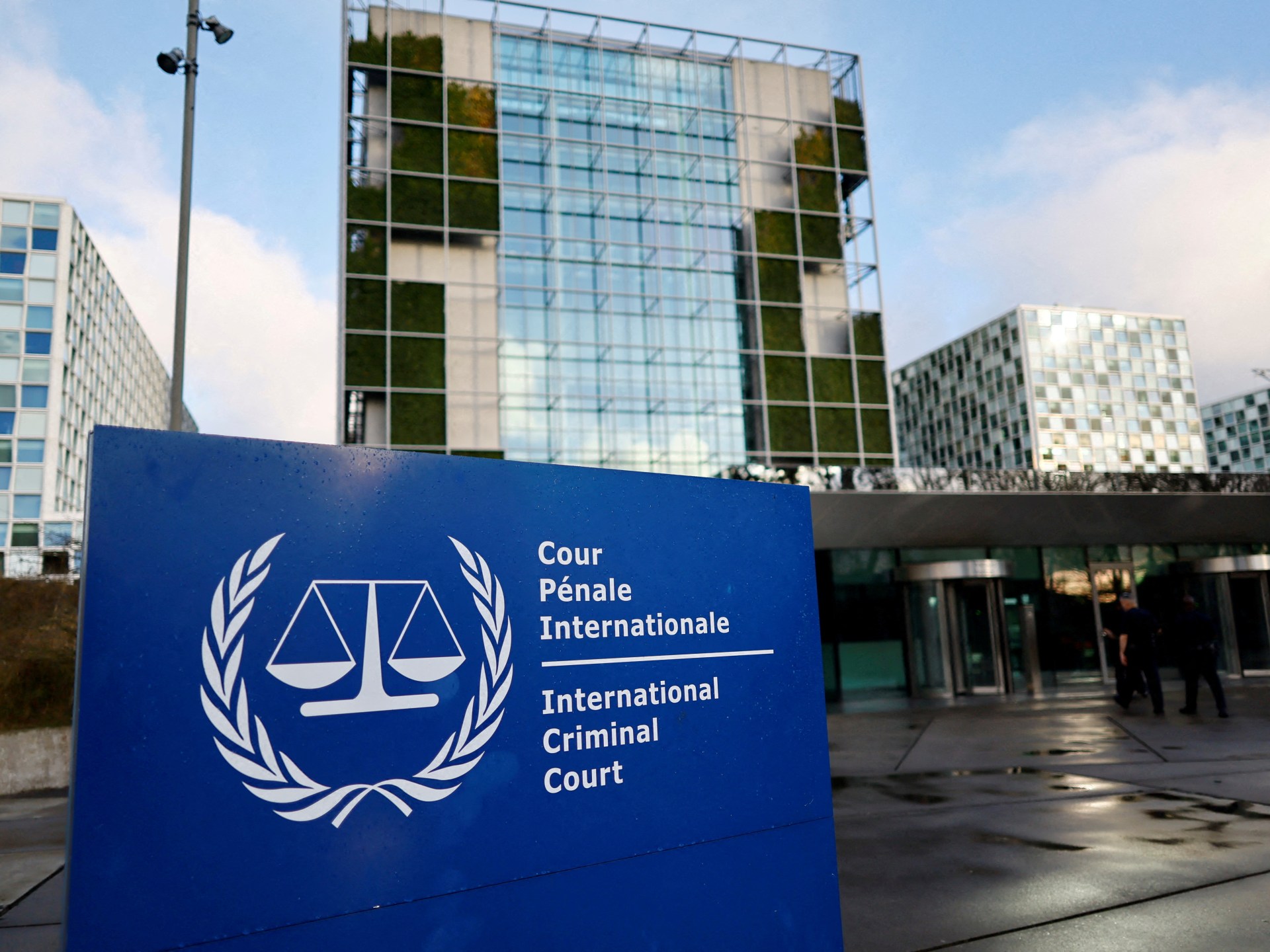
Two legal scholars have urged the International Criminal Court to investigate allegations of sexual violence against Palestinian detainees in Israeli custody, arguing that the claims point to more than isolated misconduct. Triestino Mariniello and Mariagiulia Giuffré wrote in Al Jazeera that the alleged abuse should be examined as possible war crimes, crimes against humanity and, in the context of Gaza, potential genocidal acts.
Their call follows years of documentation by human rights groups of alleged sexual abuse and other mistreatment of Palestinians held by Israel. Mariniello and Giuffré said those groups have reported a sharp rise in both the frequency and severity of violations since October 2023.
The authors cited Al Jazeera’s documentary Bodies of Evidence, which they said includes testimony from Palestinian survivors and details about detention practices. They argued that the material describes a broader system of humiliation, domination and dehumanisation.
Allegations across the detention process
Israel has used detention as a tool of control over Palestinians in occupied territory since 1967, according to Mariniello and Giuffré. They cited United Nations figures saying more than 750,000 Palestinians have been held in Israeli prisons since then.
The authors said at least 9,500 Palestinians are currently in Israeli prisons, including more than 360 children. They also said about 3,500 Palestinians are held in administrative detention, meaning without charge or trial, and that more than 1,300 Palestinians from Gaza are held in military detention centres.
Survivor accounts described by the authors allege abuse at multiple points: arrest during home raids, hospital raids, checkpoint stops and military operations, as well as transfer, interrogation, imprisonment and appearances before military courts. They said responsibility may involve several Israeli bodies, including the army, police, the Israeli Prison Service and Shin Bet.
Mariniello and Giuffré listed reported abuses including stripping, blindfolding, handcuffing, beatings, starvation, sleep deprivation, attacks on genitalia, sexual assault, rape with objects or dogs, denial of medical care and obstruction of legal review. They said Sde Teiman, a military base used as a detention centre after October 7, 2023, became a focus of international condemnation after a leaked video showed soldiers assaulting a Palestinian detainee.
Legal argument for a wider inquiry
The authors argued that repeated and widespread allegations should be treated differently from single incidents under international law. They wrote that an isolated act of sexual violence in an occupation may amount to a war crime, while systematic acts can constitute crimes against humanity.
They also said sexual torture against members of a protected group can be relevant to genocide law if committed with intent to destroy the group in whole or in part. Citing the Genocide Convention, they noted that genocide includes causing serious bodily or mental harm, deliberately imposing destructive living conditions and measures intended to prevent births within a group.
Mariniello and Giuffré pointed to the International Criminal Tribunal for Rwanda’s Akayesu judgment, which recognised that rape and sexual violence can constitute genocide when committed with genocidal intent. They also cited Bosnia and Myanmar as contexts where sexual violence has been treated as part of campaigns against targeted groups.
The authors said Israeli justice mechanisms are unwilling or unable to prosecute serious crimes committed by Israeli nationals against Palestinians. They cited independent UN commissions of inquiry that have described structural, procedural and institutional flaws in Israel’s military justice system.
They called on the ICC Office of the Prosecutor to examine the full chain of responsibility, from alleged direct perpetrators to supervisors, commanders, prison officials and senior policymakers responsible for detention conditions. They warned that failure to prosecute widely documented serious violations risks weakening the deterrent role of international criminal law.
This story draws on original reporting from Al Jazeera.