
IAEA chief presses for access to Iran’s nuclear sites
Rafael Grossi said inspectors need broad access to verify Iran’s nuclear programme as Washington and Tehran dispute what their preliminary deal requires.
By Lucas Ferreira · Science & Environment Writer
3 min read
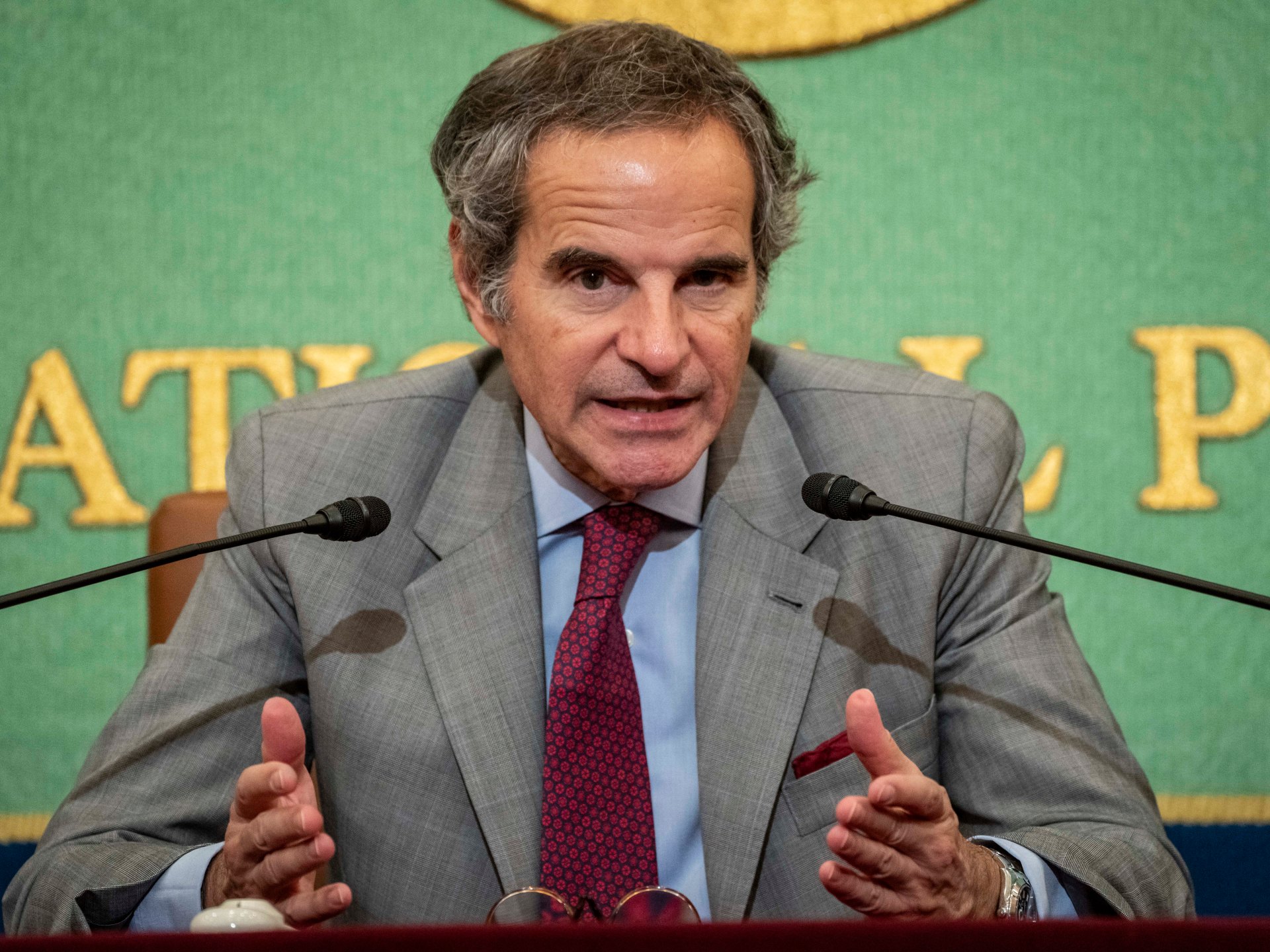
The head of the International Atomic Energy Agency said Iran’s nuclear programme needs strict outside monitoring as the United States and Iran argue over inspection terms tied to a preliminary ceasefire arrangement. Rafael Grossi said Friday that the UN nuclear watchdog needs access to verify that Iran is not developing nuclear weapons.
Speaking to reporters in Tokyo, Grossi said Iran’s government has stated that it does not intend to build nuclear arms, but said statements alone cannot establish confidence. He said the IAEA’s role is to verify nuclear activity rather than assess political intent.
The dispute has become a central issue in talks between Washington and Tehran on a longer-term agreement after a 14-point memorandum of understanding was signed earlier this month. According to Grossi, the document says the nuclear part of the arrangement would be overseen by the IAEA.
Iran has repeatedly denied seeking a nuclear weapon and says its nuclear programme is for civilian purposes. The US and its Western allies have long said Tehran’s nuclear activity could be aimed at giving it the ability to build a weapon.
Access remains disputed
Inspections have been politically charged since US and Israeli attacks on Iranian nuclear sites during a 12-day war last June. Tehran suspended cooperation with the IAEA after those strikes, then agreed in September to allow inspectors back into the country.
IAEA personnel have since visited nuclear facilities in Iran, according to the report. But Iran has not allowed access to the sites that were hit in the attacks, and the location of its enriched uranium stockpiles remains unresolved.
Grossi described the public dispute between Washington and Tehran as a “war of statements”. He said technical work on inspections has begun and that the agency hopes to enter the relevant sites soon.
He said the exact timing was less important than restoring the verification process, adding that whether inspectors enter within one week or two weeks is not the central issue. Grossi also noted that the memorandum covers several issues beyond the nuclear file.
Washington and Tehran differ on the deal
The US says Iran has already accepted broad nuclear inspections under the memorandum and later discussions. President Donald Trump has said Tehran agreed to what he called the “highest level nuclear inspections” and rejected Iran’s objections as false statements.
Iran says the matter has not been settled in that way. Deputy Foreign Minister Kazem Gharibabadi said Wednesday that access to damaged nuclear sites and materials would be addressed within a final agreement with the US.
Gharibabadi also said UN inspections depend on the US taking practical steps to end all sanctions. Washington says sanctions relief is not a condition for inspections under the current understanding.
Iran’s Ministry of Foreign Affairs on Friday again rejected allegations that its nuclear programme has military aims. The ministry was responding to a joint statement by the US secretary of state and foreign ministers from Gulf Cooperation Council countries, who said they shared the goal of preventing Iran from obtaining a nuclear weapon.
The Iranian ministry said the claims against Tehran were fabricated by the US and Israel. It also called on GCC member states to work with Iran on creating a nuclear-weapons-free zone in West Asia.
This story draws on original reporting from Al Jazeera.