
Houthi maritime blockade raises pressure on Yemen and Saudi Arabia
The Houthis say they are blocking shipping to Saudi Arabia, raising fears of wider fighting around the Bab al-Mandeb Strait.
By James Whitfield · Staff Writer
3 min read
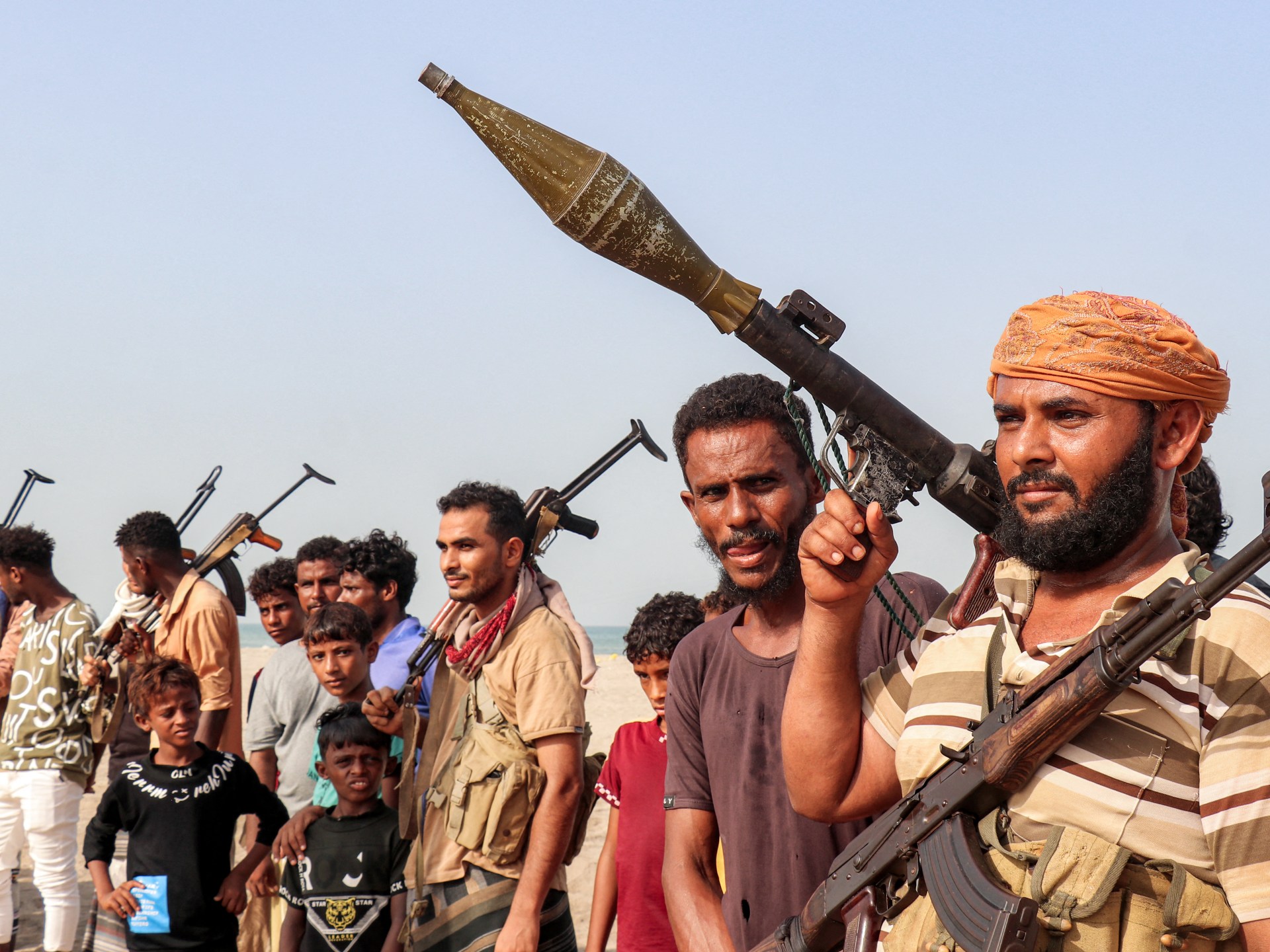
The Houthi maritime blockade of shipping bound for Saudi Arabia has pushed Yemen’s war into a more dangerous phase, Al Jazeera reported. The move matters beyond Yemen because it puts the Bab al-Mandeb Strait, a key Red Sea route for energy and imports, closer to the US-Iran conflict and to Saudi Arabia’s security concerns.
The Houthis, also known as Ansar Allah, have attacked Saudi tankers in the Red Sea, according to Al Jazeera. The group, which took control of Sanaa in 2014 and is backed by Iran, has also threatened to close the Bab al-Mandeb Strait.
Bab al-Mandeb links the Red Sea with the Gulf of Aden and the wider Indian Ocean. Al Jazeera reported that the waterway is important for European energy supplies and for imports headed to Saudi Arabia.
Will the Houthi blockade lead to a new Yemen confrontation?
Al Jazeera’s Ahmed al-Shalafi reported that the escalation has revived questions about whether Yemen’s internationally recognised government and the Houthis are moving toward renewed large-scale fighting. The blockade followed a dispute over an air strike on Sanaa airport: Yemen’s government said it carried out the strike to stop an Iranian plane from landing, while the Houthis blamed Saudi Arabia.
The Houthis then fired missiles into Saudi Arabia, a main backer of the Aden-based government, Al Jazeera reported. Saudi Arabia has tried in recent years to avoid another war on its southern border, but the threat now includes Red Sea shipping as well as land fronts.
Al Jazeera reported that the broader regional setting has changed because of the continuing war between Washington and Tehran, which began on February 28 after the United States and Israel attacked Iran. That conflict has increased the strategic weight of maritime routes around Yemen.
How strong are the government-aligned forces?
According to Al Jazeera, the anti-Houthi camp includes the National Army under Yemen’s Defence Ministry, the Giants Brigades, the Guardians of the Republic based around Mocha, the Emergency Forces and the Homeland Shield Forces. The Defence Ministry has put National Army personnel at about 400,000, while Al Jazeera reported that the broader government-aligned camp is estimated at more than 500,000 personnel.
Those numbers include forces with different training, discipline and command structures, Al Jazeera reported. The National Army is concentrated in Marib, Taiz and southern and eastern governorates because the Houthis control large parts of the northwest, including Sanaa.
The report said Saudi-backed Homeland Shield Forces have modern tactical vehicles, light armoured vehicles and communications equipment. The Giants Brigades, estimated at about 20,000 fighters, are described as among the strongest ground combat formations in the anti-Houthi camp.
What advantages do the Houthis have?
Official military records in Sanaa list more than 200,000 fighters in Houthi-affiliated army units, with tens of thousands more available through volunteer Popular Committees, Al Jazeera reported. The report cautioned that figures on both sides may include reserve or inactive names.
Al Jazeera reported that the Houthis have a more centralised command structure and experience in asymmetric warfare. The group also has missile, drone and maritime capabilities that have affected shipping in the Red Sea and Bab al-Mandeb area, even after damage from US and Israeli strikes in recent years.
Government-aligned forces can hold territory and conduct defensive operations, according to Al Jazeera, but a major offensive would face coordination problems, uneven readiness and difficult terrain. The Houthis’ control of Yemen’s mountainous northwest gives them a defensive advantage.
Al Jazeera reported that there is no declared international plan, including from the United States, to support a large ground operation to take Sanaa. Any such campaign would require unified command, political cover and a plan to govern the capital afterward.
Saudi Arabia remains central to any broad military decision by Yemen’s government, Al Jazeera reported. Riyadh has focused on border security, shipping lanes and limiting Houthi threats, but the Red Sea escalation may force it to reassess its options.
This story draws on original reporting from Al Jazeera.