
Hormuz traffic stays thin after US-Iran reopening deal
Shipowners and insurers are holding back despite a preliminary deal to reopen the Strait of Hormuz after months of war disruption.
By Daniel Okafor · Business Editor
3 min read
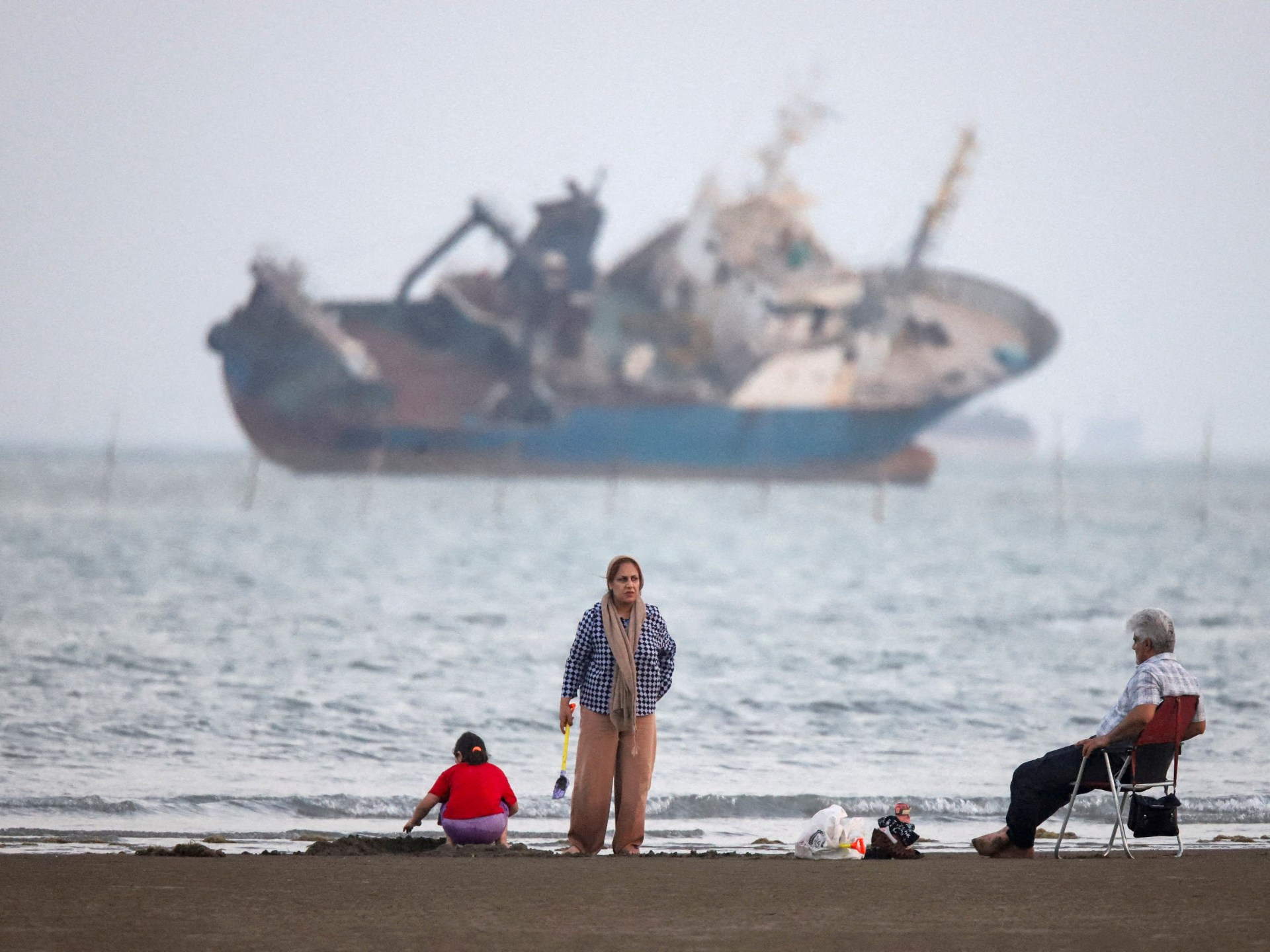
Commercial traffic through the Strait of Hormuz has barely resumed despite a preliminary US-Iran agreement to reopen the waterway, leaving oil shipping and regional trade exposed to continuing security and insurance problems. MarineTraffic data cited by Al Jazeera showed only seven ships had crossed the strait in the three days after the deal was announced.
US President Donald Trump presented the agreement as a breakthrough on Sunday, writing on Truth Social: “Ships of the World, start your engines. Let the oil flow!” Al Jazeera reported that oil prices fell after the announcement, but shipping companies and underwriters have not treated the route as safe enough for a broad return.
Before the war, Al Jazeera reported, 120 to 140 vessels used the strait each day, including about 60 to 70 oil tankers carrying roughly 20 million barrels of crude. More than 550 ships remain waiting on either side of the passage, according to the report.
Security concerns remain
Iran closed the Strait of Hormuz after US-Israeli bombing began at the end of February, Al Jazeera reported. The United States later imposed a naval blockade on Iranian ports.
Although Trump has said the strait is open, Iranian officials have said any passage must be coordinated with Iran’s Islamic Revolutionary Guard Corps and use a route near Iran’s coast, according to Al Jazeera. TankerTrackers reported Wednesday that several tankers carrying Iranian oil had crossed the US blockade line, calling them Iran’s first crude exports in two months.
The risks are not limited to formal permission to sail. Al Jazeera reported that missiles and armed drones have crossed Gulf waters in recent weeks, while both Iran and the United States have fired on commercial vessels in the area. Al Jazeera also reported that US attacks on at least three commercial ships last week included one strike that killed three Indian sailors.
US Central Command said one day before the agreement was announced that its blockade had redirected 142 commercial vessels that complied with instructions and disabled nine vessels that did not, according to Al Jazeera.
Mines, fees and insurance
Shipping executives are also concerned about mines. US Secretary of State Marco Rubio told a Senate Foreign Relations Committee hearing on June 2 that Iran had mined large parts of international waters in Hormuz, Al Jazeera reported. Iran had previously threatened to mine the strait but has not confirmed doing so.
Haider Anjum, a senior equity analyst at Jyske Bank, told Al Jazeera that shipowners and insurers would need a sustained period without incidents before treating the risk as reduced. He said establishing a verified mine-free route could take about two months, and broader confidence could take around four months.
Nader Habibi, an Iranian-American economist, told Al Jazeera that crews would remain worried about safety while US-Iran negotiations continue and while unresolved mine risks remain.
Another dispute concerns fees. Al Jazeera reported that Iran says it is not imposing tolls but wants charges for coordinating safe transit through waters it says are not international. Habibi told Al Jazeera that the United States would likely oppose unilateral Iranian tolling but may avoid restarting conflict over the issue if keeping the strait open is the higher priority.
Insurance remains a separate brake on shipping. Anjum told Al Jazeera that war-risk premiums, which were about 0.25 percent of hull value before the war, climbed as high as 5 percent during the conflict and have since eased to a range of 1 to 3 percent.
Arsenio Dominguez, head of the UN shipping agency, welcomed the reopening deal on Monday as a step toward restoring safety for seafarers and ships, according to Al Jazeera. He said implementation would take time because safety and security guarantees still need to be put in place.
This story draws on original reporting from Al Jazeera.