
Hormuz traffic drops after Iran says it closed strait
Ship-tracking firms reported fewer crossings after Iran declared the Strait of Hormuz closed, while US Central Command said safe passage remained intact.
By James Whitfield · Staff Writer
3 min read
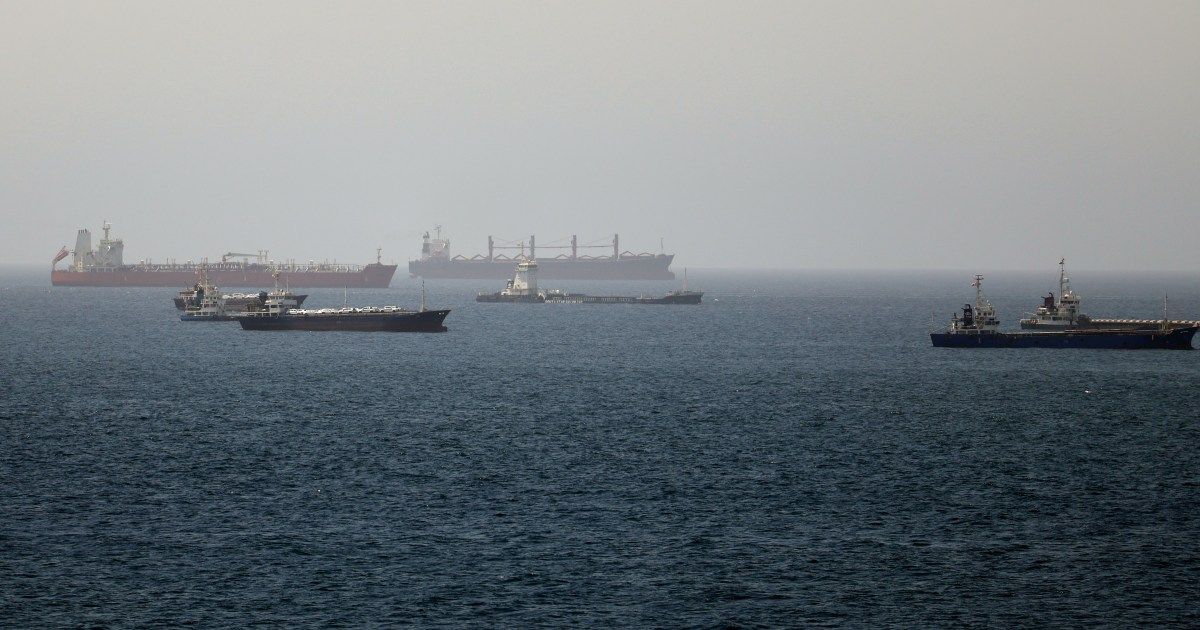
Shipping through the Strait of Hormuz fell sharply after Iran said it had closed the waterway in response to Israeli strikes on Lebanon, according to maritime tracking firm Windward. The strait is a major energy route, and US Central Command disputed Tehran’s claim that the passage had been shut.
Windward said its analysis showed 12 ships crossed the strait on Sunday, compared with 35 the day before. The company also said five of eight vessels entering the strait had switched off their Automatic Identification Systems, the tracking signals used to identify and locate ships.
In a post on X, Windward described the traffic pattern as dominated by dark, sanctioned and Iranian-linked vessels, saying it looked more like a late-blockade baseline than normal operations in an open strait.
The reported slowdown came after several days of stronger traffic. Maritime intelligence provider Kpler said 25 vessels passed through the strait on Thursday, the highest daily total since mid-April.
Iran and US give different accounts
Iran’s Islamic Revolutionary Guard Corps said on Saturday that the strait was closed, citing Israeli “crimes” in Lebanon and what it described as the United States’ failure to uphold a ceasefire there. The declaration raised concern because the Strait of Hormuz normally handles about one-fifth of the world’s oil and liquefied natural gas supplies, according to US Central Command.
CENTCOM rejected Iran’s account on Saturday. The command said safe passage through the waterway remained “intact” and said 55 merchant ships had crossed that day.
The reason for the gap between CENTCOM’s figure and the numbers reported by commercial tracking companies was not clear. Windward and Kpler track maritime movements through ship signals and other data, while CENTCOM did not explain the basis for its count in the report.
Al Jazeera reported that traffic through the strait had started to recover after US President Donald Trump and Iranian President Masoud Pezeshkian signed a memorandum of understanding on Wednesday aimed at ending the US-Israel war on Iran.
Talks continue as markets watch oil
US and Iranian negotiators met in Switzerland on Sunday for talks that Al Jazeera described as high stakes, as fighting tied to Lebanon threatened efforts to turn a 60-day ceasefire extension into a permanent peace agreement.
Iranian Ministry of Foreign Affairs spokesman Esmaeil Baghaei told Iranian media after the talks that the two sides had discussed safe ship passage through the strait. He said “a mechanism was set up,” adding that it was important, according to Al Jazeera.
Oil prices moved lower in Asian trading on Monday despite the dispute over the waterway and renewed tension between Washington and Tehran. Brent crude, the main international benchmark, was down about 0.9 percent at roughly 01:30 GMT, trading just under $80 a barrel.
Major Asian stock markets mostly opened higher, according to market data cited by Al Jazeera. Japan’s Nikkei 225 rose 1.8 percent, South Korea’s Kospi gained 1.5 percent and Taiwan’s Taiex advanced 2.6 percent, while Hong Kong’s Hang Seng Index fell 0.7 percent.
This story draws on original reporting from Al Jazeera.