
Lebanese villages reject Netanyahu claim they sought annexation
Officials in southern Christian towns denied Israel’s prime minister spoke for them, as analysts said the remarks aimed to fuel sectarian tensions.
By Lucas Ferreira · Science & Environment Writer
3 min read
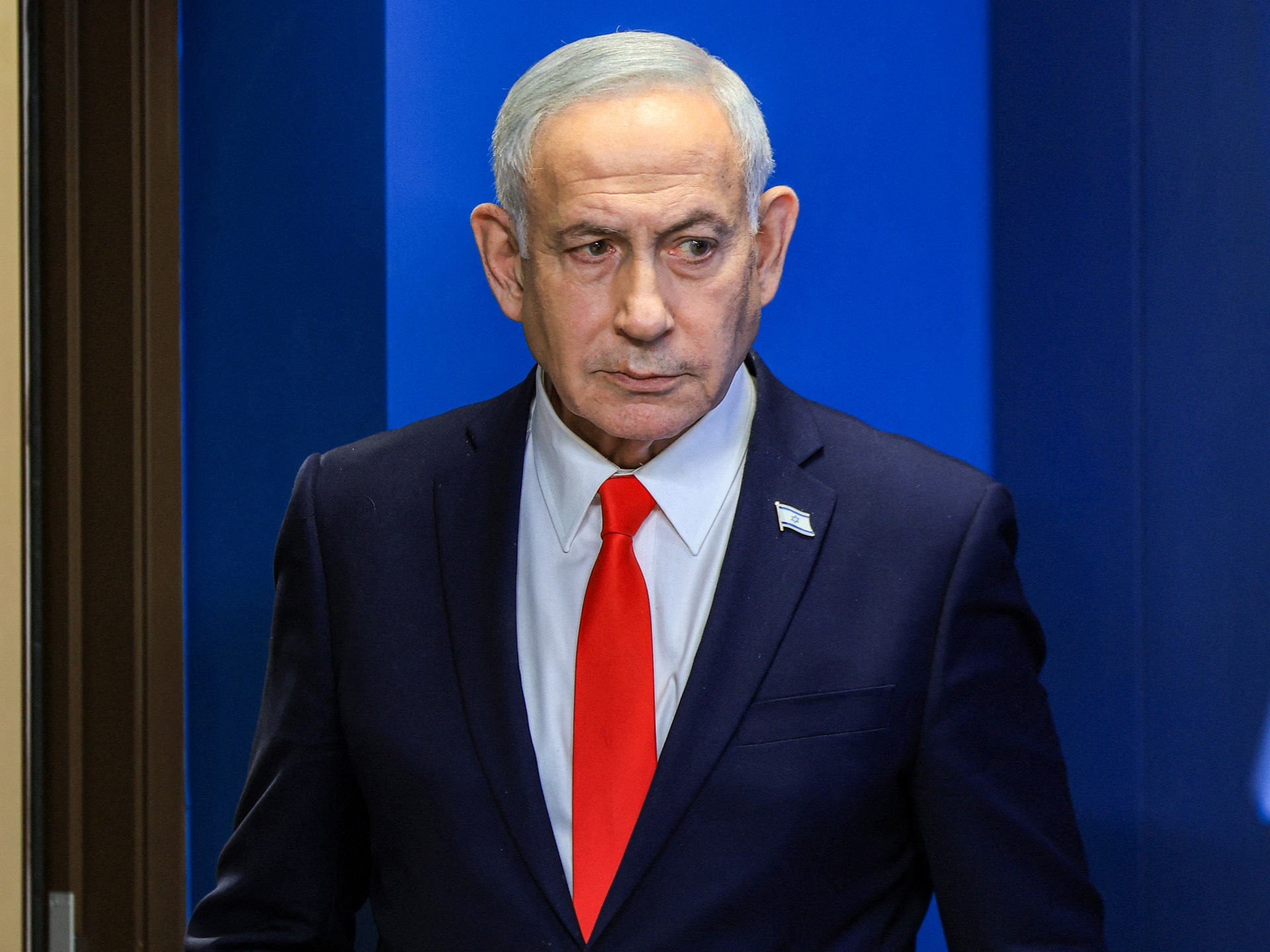
Christian communities in southern Lebanon have rejected Israeli Prime Minister Benjamin Netanyahu’s claim that some villages asked Israel to annex them. The denial matters because analysts told Al Jazeera the remark played into Lebanon’s sectarian fault lines during a volatile period after a US-brokered Lebanon-Israel framework agreement.
Officials from 15 southern Lebanese towns with Christian populations issued a statement Monday denying Netanyahu’s assertion, Al Jazeera reported. Netanyahu had told Fox News’s The Sunday Briefing a day earlier that some Christian villages in Lebanon wanted to be annexed by Israel because Israel protected them from Hezbollah.
Al Jazeera reported that Israel occupies about six percent of Lebanese territory, while the recent framework agreement said Israel had no territorial ambitions in Lebanon. The agreement, brokered by the United States, has drawn criticism inside Lebanon, according to Al Jazeera.
Analysts say remarks target sectarian tensions
Karim Emile Bitar, a professor of international relations at Saint Joseph University of Beirut, told Al Jazeera that Netanyahu’s claim was fabricated. Bitar said Lebanese lawmakers and government officials contacted mayors across south Lebanon and found no basis for the assertion.
Bitar told Al Jazeera the comments appeared designed to set Lebanese communities against one another and present Israel as a protector of minorities. He described that as part of a long-running divide-and-rule strategy by Israel.
A Beirut resident from Jdeidet Marjayoun, a southern town, told Al Jazeera that Netanyahu’s statement was false and propaganda. The resident spoke anonymously because their job did not permit them to speak to media, Al Jazeera said.
Lebanon’s political system allocates senior offices by sect, with a Maronite Christian president, a Sunni Muslim prime minister and a Shia speaker of parliament, Al Jazeera noted. Parliamentary seats are also assigned through a sectarian quota, and sect is considered in ministerial appointments.
War pressure and political division
Al Jazeera reported that the latest escalation began on March 2, when Hezbollah fired six rockets at Israeli targets for the first time in more than a year. Israel then expanded attacks across Lebanon, including Beirut, and invaded southern Lebanon, according to Al Jazeera.
During the escalation, more than 1.2 million people were displaced from their homes, most of them Shia Muslims who sought shelter in areas with different sectarian makeups, Al Jazeera reported. Analysts cited by the outlet said that movement raised concerns about communal tensions, though those fears have mostly not turned into violence.
Al Jazeera said Israel has also faced international criticism over attacks involving Lebanese Christians. The outlet cited an April incident in which an Israeli soldier smashed a statue of Jesus in southern Lebanon, the March killing of a priest by Israeli tank fire, and the early April killing of an official from a Christian party in an eastern Beirut suburb.
Lebanese officials push back
Melhem Khalaf, a Greek Orthodox member of parliament from Beirut, said at a Monday news conference that Netanyahu had no right to speak for Christians, according to Al Jazeera. Hanna al-Amil, head of the majority-Christian municipality of Rmeish on the southern border, told L’Orient-Le Jour that no southern village had made such a request.
Al Jazeera also cited a June 2026 poll by Lebanese American University professor Jad Melki. Among 1,000 people surveyed, 54 percent said diplomacy was the only path to liberation, 35 percent backed armed resistance as the only path, 34 percent supported a peace agreement with Israel, and 87 percent agreed that Israel is an enemy of Lebanon.
Analysts told Al Jazeera that Israel has made similar claims about protecting minorities elsewhere in the region, including Syria’s Druze community in Suwayda after sectarian violence there last year. Bitar said Lebanese communities should remain united against attempts to provoke internal conflict.
This story draws on original reporting from Al Jazeera.