
Hormuz attacks strain US-Iran deal and Gulf oil routes
Two tanker attacks have pushed the Strait of Hormuz back to the center of US-Iran tensions, with Gulf states and global markets exposed.
By James Whitfield · Staff Writer
4 min read
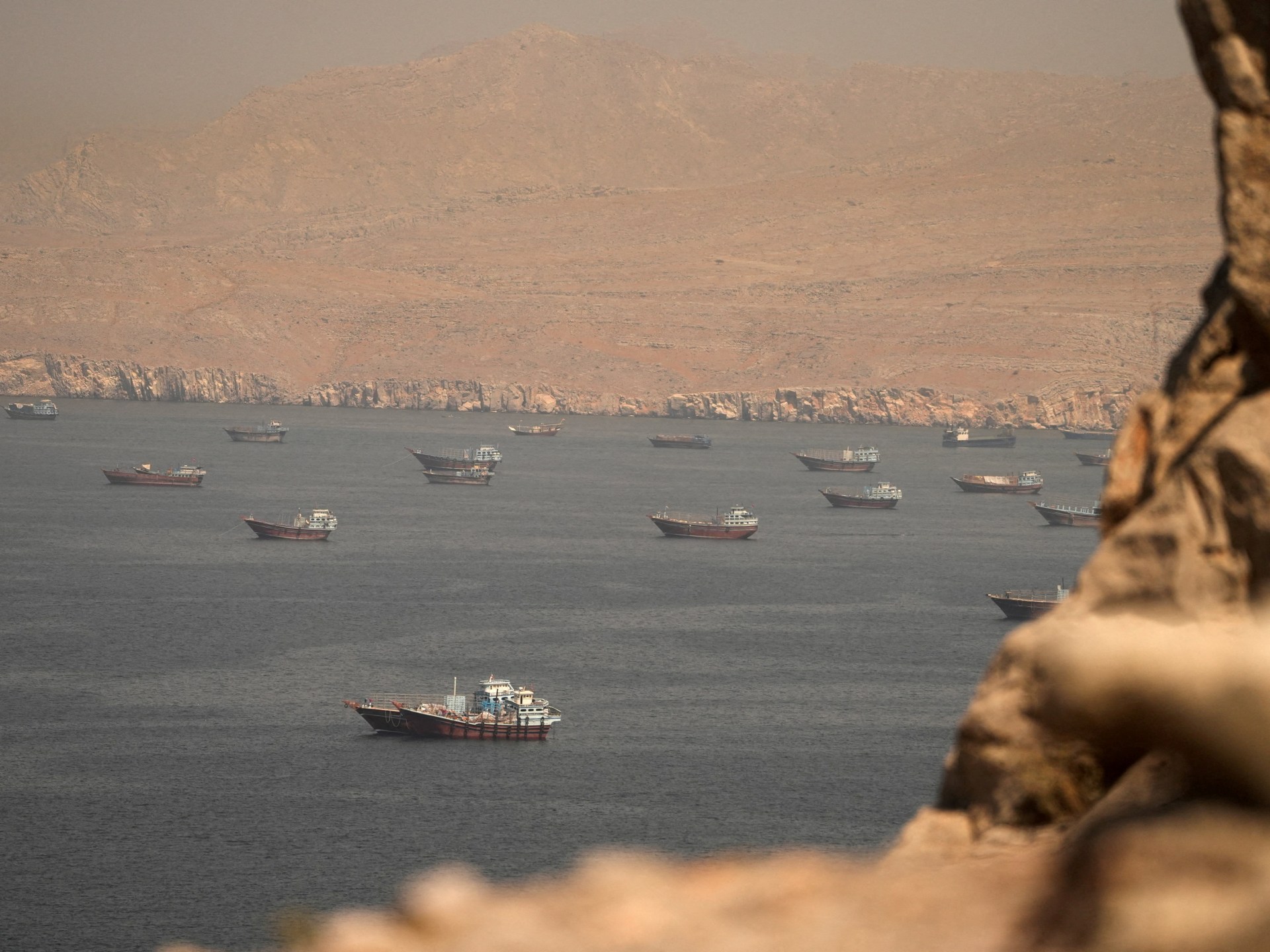
Two tankers were attacked on Tuesday while passing through the Strait of Hormuz in Omani waters, according to Al Jazeera. Gulf governments condemned the attacks and blamed Iran, while the United States later struck Iranian territory and Tehran answered with strikes on Bahrain and Kuwait, Al Jazeera reported.
US President Donald Trump has said a memorandum of understanding signed by Washington and Tehran is now void, according to Al Jazeera. The escalation has put the waterway at the center of the US-Israel war with Iran, which Al Jazeera said began on February 28, and has complicated talks that had already stalled over the strait’s status.
Iran’s pressure point carries costs
Al Jazeera’s Abdulla Banndar Al-Etaibi wrote that Iran has used the strait as its strongest bargaining tool by mining the passage, attacking vessels and cutting traffic by about 95 percent since the war began. International Energy Agency chief Fatih Birol has described the resulting interruption as the largest supply disruption in the history of the global oil market, according to Al Jazeera.
The strait normally carries about one-fifth of global oil shipments and one-fifth of liquefied natural gas trade, Al Jazeera reported. Gulf pipeline capacity cannot fully replace that route, the outlet said.
The pressure has also hit Iran’s own economy. Al Jazeera, citing CNBC, said Iranian crude that once traded at a $3-a-barrel discount is now selling 20 percent below international benchmarks, while Iran’s oil exports fell by more than 90 percent in May as US naval enforcement tightened around its shadow fleet.
The World Bank had already projected a contraction in Iran’s economy in 2026 before the war, according to Al Jazeera. A 60-day US Treasury waiver issued June 22 to let Iran sell oil at full market rates through August 21 has now been renounced after Tuesday’s attacks, Al Jazeera reported.
Gulf states seek workarounds
Saudi Arabia has sent crude through its roughly 1,200km East-West pipeline to Yanbu on the Red Sea, while the United Arab Emirates has relied on the Habshan-to-Fujairah line to the Gulf of Oman, according to Al Jazeera. Those routes carry far less than Hormuz, with design capacity of at most 7 million barrels a day for the Saudi line and under 1.8 million for the Emirati one, compared with about 20 million barrels a day that moved through the strait before the war.
Al Jazeera reported that both alternatives have been disrupted. Iranian strikes cut the Saudi line’s throughput by an estimated 700,000 barrels a day in April, and drone attacks disrupted loading at Fujairah, while seaborne crude exports from Gulf states excluding Iran fell by about half between February and March.
Qatar, which hosts US-Iran talks, depends on Hormuz for its LNG exports and has pressed hardest for a settlement, Al Jazeera said. Oman faces pressure because Iran’s sovereignty claims touch waters it shares, while Iraq has quietly looked at a northern export route through Turkiye, according to the same report.
Costs spread beyond the region
Al Jazeera said the crisis has raised oil prices, shipping costs and insurance bills. War-risk insurance for Hormuz transit has risen from about 0.25 percent of a vessel’s value before the war to as much as 8 percent, making coverage for one large tanker cost between $3m and $8m.
Shipping companies including CMA CGM and Hapag-Lloyd have added conflict surcharges of $1,500 to $2,000 per twenty-foot equivalent unit, according to Al Jazeera. The US International Development Finance Corporation has offered up to $40bn in reinsurance capacity to keep vessels moving, the outlet reported.
China receives close to 40 percent of its crude imports through Hormuz and buys more than 80 percent of Iran’s oil exports, according to Al Jazeera. Japan, which gets 70 percent of its Middle Eastern crude through the strait, has already drawn on strategic reserves, the report said.
Food supplies are also at risk. Al Jazeera said about 30 percent of seaborne fertiliser trade passes through Hormuz, while the World Bank’s fertiliser price index rose more than 12 percent in the first quarter of 2026 and has reached its highest level since October 2022. The Food and Agriculture Organization has warned that shortages of urea and other nitrogen products could reduce yields in the 2026-2027 growing season, with import-dependent countries in Africa and Asia most exposed, according to Al Jazeera.
This story draws on original reporting from Al Jazeera.