
Heatwave exposes gaps in Europe’s historic cities
As temperatures topped 36C in parts of the UK, Giulio Boccaletti argued Europe’s older cities are poorly prepared for a hotter climate.
By Daniel Okafor · Business Editor
3 min read
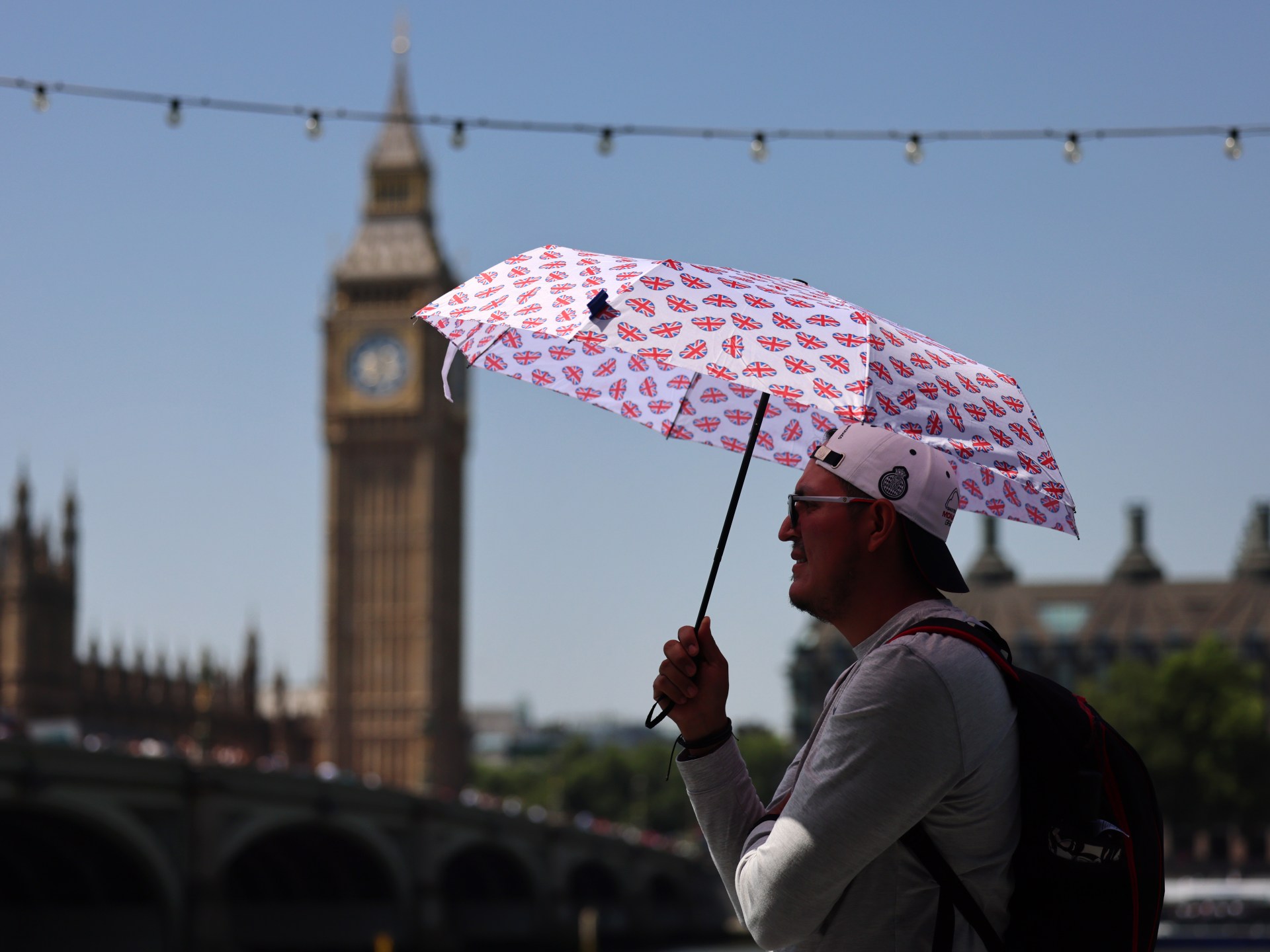
Europe’s current heatwave has exposed how poorly many of the continent’s cities are prepared for sustained high temperatures, author Giulio Boccaletti wrote for Al Jazeera. He argued that older buildings, dense historic streets and strained infrastructure are turning climate adaptation into a central urban policy test.
The heat coincided with London Climate Action Week, an international gathering of researchers, officials and activists in the British capital. Boccaletti wrote that temperatures in parts of the United Kingdom rose above 36 degrees Celsius, while the BBC reported that an event on extreme heat was cancelled because of the heat.
According to the Met Office caption cited by Al Jazeera, Britain was under a red warning for extreme heat on June 25 as the heatwave continued. Boccaletti described the weather pattern as a jet stream dip to the west that allows hot air from North Africa to move over Europe, followed by high pressure that traps heat and limits cloud cover.
Europe’s wider warming trend is making these events more severe and more common, Boccaletti wrote. The European Commission, citing Copernicus data, has said Europe is warming faster than the global average.
Older buildings face new heat
Boccaletti said cities such as London and Paris were built for climates associated more with cold, damp weather than repeated heatwaves. He argued that many buildings are neither insulated well enough to keep heat out nor widely equipped with air conditioning.
The health risk is already clear, he wrote. The 2003 European heatwave killed about 70,000 people, and a Nature Medicine study found that the summer of 2022 brought more than 60,000 heat-related deaths in Europe.
The UK Climate Change Committee has summarized the adaptation challenge by saying, “The UK was built for a climate that no longer exists.” Boccaletti wrote that the same problem applies across much of Europe.
Some city leaders have started to respond. Boccaletti cited European mayors’ climate efforts and Paris’s pledge to plant thousands of trees to reduce the heat absorbed and released by concrete and stone.
Heritage complicates adaptation
New housing could help, Boccaletti wrote, because the European Union is backing more construction as member states face housing shortages. But he said the existing housing stock remains a major obstacle: in most EU countries, less than a quarter of residential buildings were built after 2000, while close to half are more than 60 years old.
That tension is acute in countries such as Italy, where preservation rules and historic identity can conflict with designs and materials better suited to heat. Boccaletti pointed to Florence, where narrow streets lined by old palaces leave little room for tree planting.
Heat is only one climate risk, he wrote. In Bologna, 40 kilometres of old canals run beneath the streets; Boccaletti said the network once moved goods and powered mills but now can carry floodwater during extreme rain, raising risks for cellars and homes.
Boccaletti argued that adapting European cities will require more than architectural changes. Expanding air conditioning would add pressure to electricity grids already facing demand from data centres, electric transport and automation, while flood and drought defences also need upgrades.
He concluded that Europe’s challenge is political as well as technical: cities must protect historic character while preparing for hotter weather, heavier rain and ageing populations that will need stronger public health systems.
This story draws on original reporting from Al Jazeera.